
Reviewed · CHICAGO ARCHITECTURE TOURS
Chicago Loop: Art, Skyscrapers, Millennium Park & “The Bean”
Chicago’s Loop packs a remarkable amount into a few downtown blocks. In two hours, you move from the old Marshall Fields store and Tiffany glass to Picasso, the L trains, Millennium Park, and The Bean, while your guide explains how fire, commerce, art, and engineering shaped the city.
I like the mix of big-name sights and overlooked interiors, especially the chance to warm up inside handsome public buildings in winter. I also like the local storytelling: the Great Fire of 1871, Route 66, and Chicago’s overhead rail system become part of one connected story instead of a string of photo stops.
The main consideration is pace. You will cover several blocks on foot and see many places from the outside, while the Art Institute is part of the route rather than a full museum visit. At $49, this works best if you want context and a well-planned introduction to downtown, not a long stop at every attraction.
In This Review
- Key points to know before you book
- Starting at the Chicago Theatre on State Street
- Marshall Fields and the old department-store city
- Picasso in Daley Plaza
- The Great Fire and Chicago’s second act
- Millennium Park and Crown Fountain
- Route 66 and the Art Institute
- Cloud Gate, better known as The Bean
- How the two-hour timing works
- What $49 buys you
- Who should book this Loop walk
- Should you book the Chicago Loop tour?
- FAQ
- Where does the tour meet?
- How long does the tour last?
- What language is the tour conducted in?
- What is included in the price?
- Is gratuity included?
- Does the route change in cold or rainy weather?
- Will the tour enter the Art Institute of Chicago?
- Can I cancel the booking?
Key points to know before you book
- The route links Chicago’s major downtown symbols: You see the Chicago Theatre meeting point, Marshall Fields, Daley Plaza, Picasso, Millennium Park, Crown Fountain, Route 66, the Art Institute, and Cloud Gate.
- Indoor stops help in winter: The route changes with the weather, giving you time inside notable public buildings and lobbies when it is cold or rainy.
- The L becomes part of the city story: You learn why Chicago’s overhead train system gives the Loop its name and why it remains such a familiar part of downtown life.
- Public art gets real context: Picasso, Crown Fountain, Tiffany glass, and Cloud Gate are not treated as quick photo stops.
- The tour is led in English: You get live commentary from a Chicago local during the two-hour walk.
- It is strongest as an orientation tour: Book it early in your visit if you want a clear sense of how the Loop’s sights fit together.
Starting at the Chicago Theatre on State Street
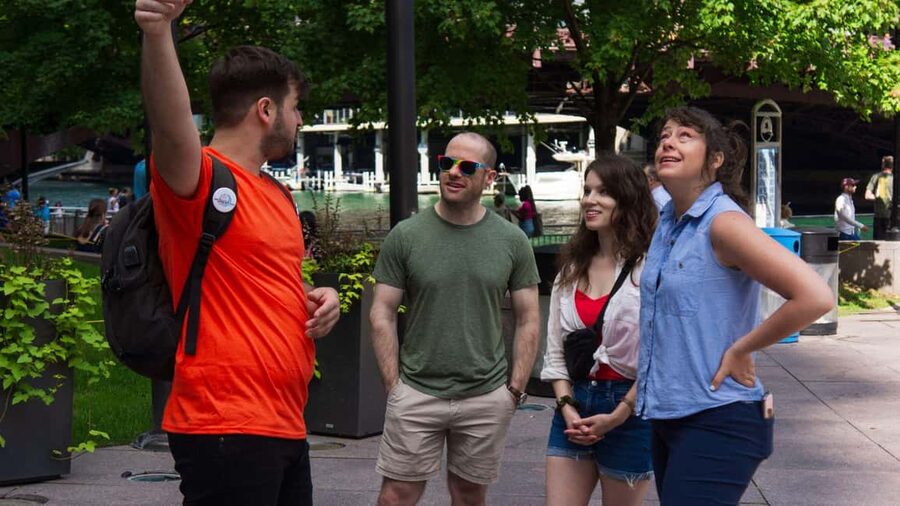
Meet your guide in front of the Chicago Theatre at 175 North State Street, on the corner of State and Lake. That location puts you right in the middle of the Loop, where the city’s commercial core, theater district, rail lines, and public art all meet.
The opening walk helps you understand the district before the landmarks begin to pile up. Chicago’s Loop is not simply a collection of office towers. Its name comes from the route made by the overhead trains around the central business area, and the tracks remain one of the defining sights and sounds of downtown.
That detail matters because the L is both transport and architecture. As you walk, you can look up at the steel lines threading between buildings and see how Chicago solved the problem of moving people through a dense central district. The tour uses that system to explain the city as a working place, not just a postcard.
The Chicago Theatre is also a practical meeting point. It is easy to recognize, and the State and Lake intersection places you close to several stops on the route. Arrive ready to walk rather than expecting a bus or van to carry you between attractions.
More of Millennium Park and Grant Park:
- Candle Making Experience Near Museums & Millennium Park
★ 5.0 · 7 reviews - Chicago Millennium Park Self-Guided Walking Tour
★ 4.5 · 5 reviews - Chicago: Downtown Loop & Millennium Park 2 Hour Walking Tour
★ 5.0 · 5 reviews
Marshall Fields and the old department-store city
The first major stop is Marshall Fields, now Macy’s on State Street. The building recalls the era when a department store was more than a place to buy clothes or household goods. It was a civic destination, a piece of commercial theater, and an important part of downtown life.
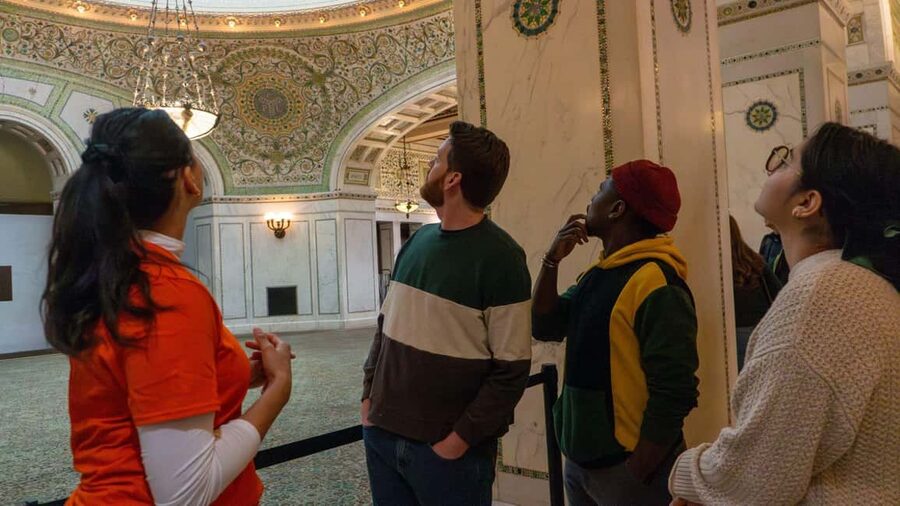
Look up and around as you enter or pass through the building. The architecture is one of the reasons this stop earns its place on a walking tour. The tour also points out delicate Tiffany glass, whose color and fine detail provide a sharp contrast to Chicago’s heavy steel and stone skyscrapers.
This is one of the tour’s most useful habits: it asks you to look inside. Chicago is famous for its towers, but some of the best design is found in public interiors and building lobbies. You get a better sense of the city when you compare ornate decorative work with the bold modern forms outside.
The amount of time spent inside depends on weather and the day’s route. In warm weather, the walk gives more time to Millennium Park. In winter, the guide can use public buildings as shelter while still keeping the city’s architecture and history in view.
Picasso in Daley Plaza
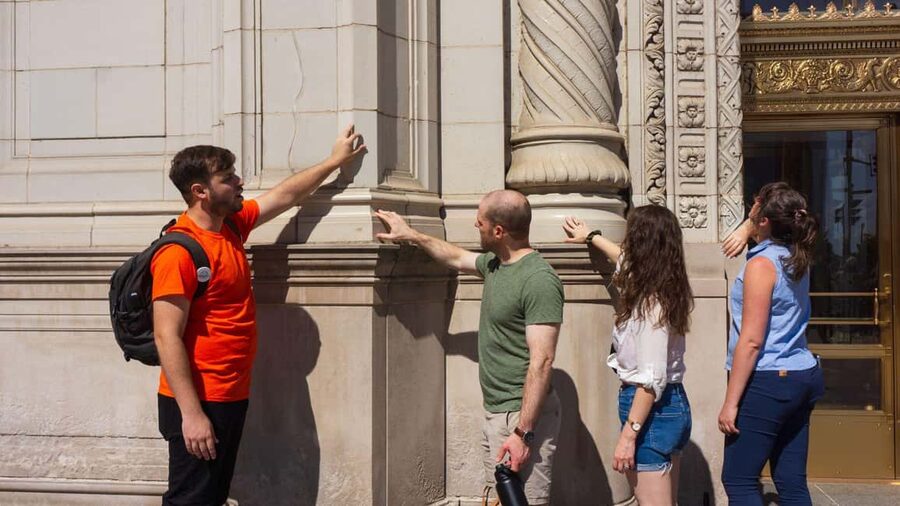
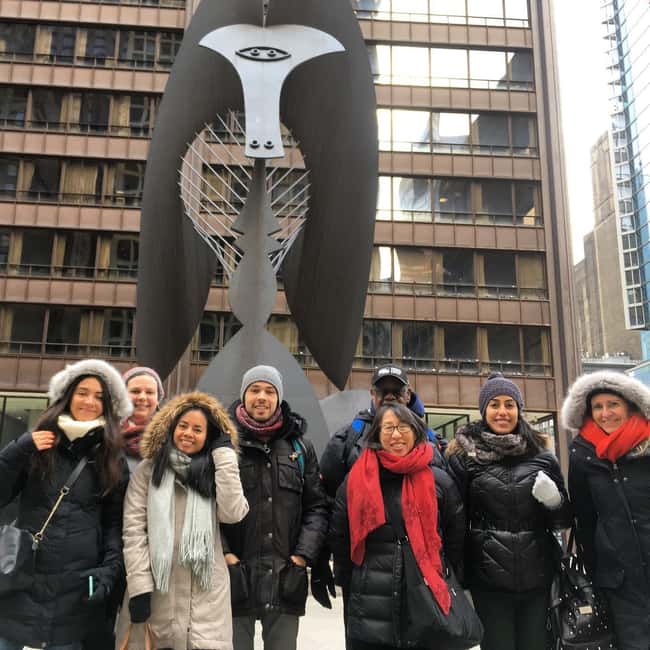
From State Street, the route continues to Daley Plaza and Picasso’s steel sculpture. Chicago received the work from Pablo Picasso, and its presence says a lot about the city’s willingness to place modern art in everyday public spaces.
You do not need to be an art expert to enjoy this stop. The sculpture is large, unusual, and impossible to mistake for a standard civic monument. Your guide gives you a way to think about why it belongs in a public square and how it fits Chicago’s broader interest in bold, accessible art.
Daley Plaza also shows how the city mixes government, work, and culture in a small area. The Picasso is not hidden inside a museum. It shares the square with people going to offices, courts, and nearby shops. That public setting makes the stop feel more connected to ordinary city life.
I would pay attention to the explanation here rather than rushing straight to a picture. The sculpture is one of the tour’s best examples of Chicago using public art to change how people experience a familiar urban space.
The Great Fire and Chicago’s second act
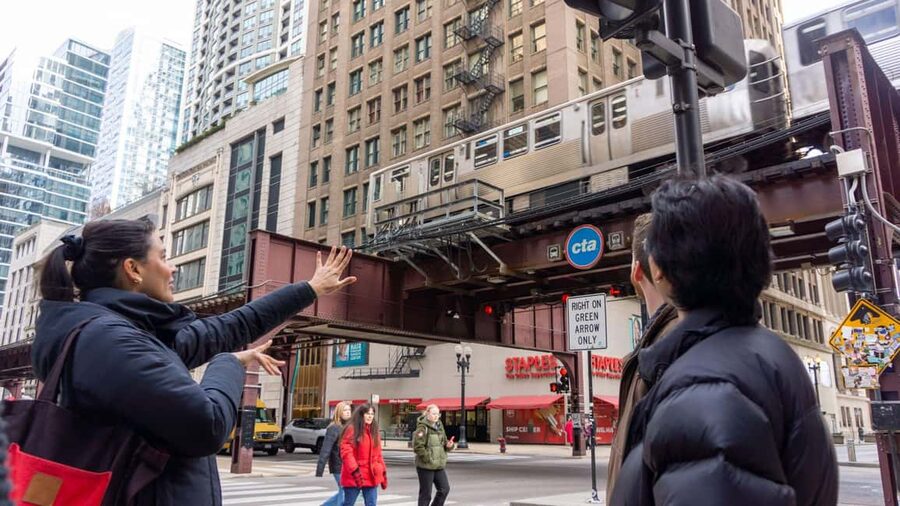
As you continue toward Millennium Park, the guide places the buildings around you in the story of the Great Fire of 1871. The fire destroyed much of central Chicago, but the city rebuilt and became a place where new building methods and ambitious designs could take hold.
This is not presented as a detached history lesson. The fire helps explain why Chicago’s architecture feels so experimental. The city’s rebuilding created room for fresh ideas in engineering, commercial construction, and urban planning.
You also get a sense of Chicago’s resilience without having to visit a separate museum. The buildings along the route become evidence of the city’s response to disaster. A short walking tour cannot cover every chapter, but this connection gives the route a useful backbone.
The guide’s role matters here. Several people who have taken the tour praised the local storytelling, quick jokes, and clear explanations of architectural styles. That is especially valuable when you are looking at a building that might otherwise register as simply tall or old.
More of the Loop and River North:
- Chicago Loop District Food Tour with Deep Dish & Beef Sandwich
★ 5.0 · 870 reviews - Chicago Architecture Tour: Underground Pedway and the Loop
★ 5.0 · 388 reviews - The Escape Game Chicago: Epic 60-Minute Adventures in River North
★ 5.0 · 332 reviews - River North Food Walking Tour
★ 4.5 · 88 reviews
Millennium Park and Crown Fountain
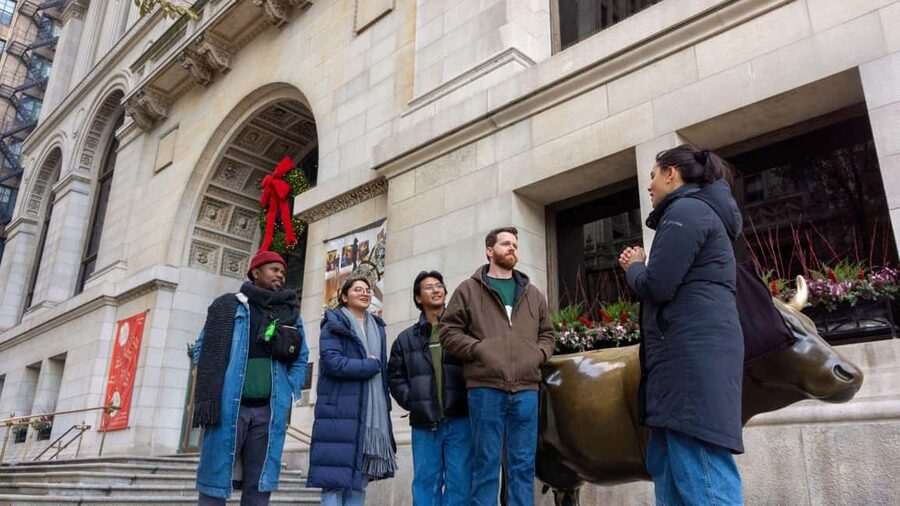
Millennium Park is the route’s biggest open-air set piece. In warmer weather, the tour spends more time here, giving you room to enjoy the public art and the park’s role as a center for Chicago’s cultural life.
Crown Fountain is a particularly memorable stop. Video projections of Chicagoans’ faces appear on large glass towers, and water flows from the display. It combines portraiture, technology, play, and public space in a way that is easy to understand even if you only have a few minutes.
The fountain also gives the tour a change of pace. After streets lined with commercial buildings and rail tracks, you get an open area filled with art and people. The contrast helps explain why Millennium Park matters to the city. It is not just a patch of grass between skyscrapers.
Weather changes this part of the experience. On a pleasant day, you can expect more time among the park’s installations. In cold or wet conditions, the guide divides the walk between outdoor views and indoor stops, so you should dress for a real walking tour rather than assume the park will be the whole show.
Route 66 and the Art Institute
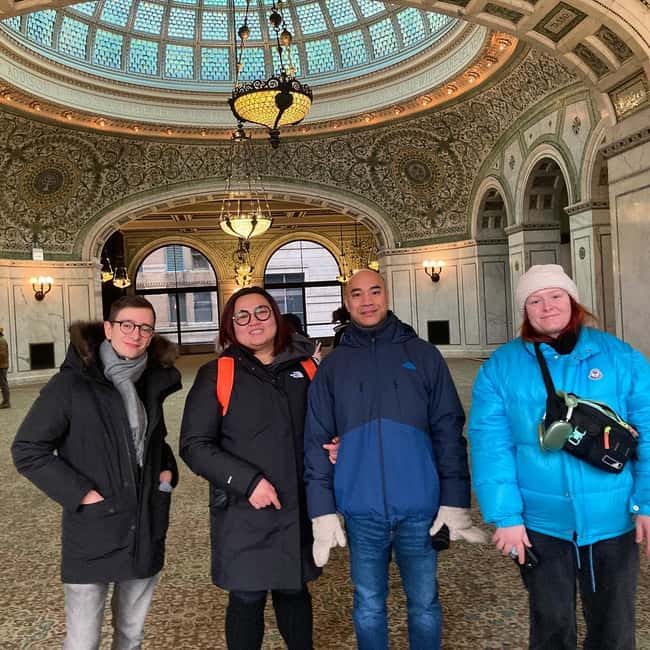
The downtown Route 66 sign marks the start of the legendary road that runs from Chicago to California. It is a small stop, but it connects the Loop to one of the most famous journeys in American popular culture.
The sign works best as a quick piece of orientation. You are not following the entire road on this tour, but you can pause at its starting point and consider how much of the country lies beyond the city center. It adds a travel theme to an itinerary otherwise focused on buildings and public art.
The route then reaches the Art Institute of Chicago. The museum is home to major paintings, sculptures, and cultural objects, but this two-hour experience is not a substitute for going inside and spending an afternoon with the collection.
That distinction is important when you plan your day. The tour gives the Art Institute a place in the Loop’s cultural story and helps you locate it, but you should buy a separate admission if you want to explore the galleries. Think of this stop as useful orientation for a later museum visit.
The route’s mix is one of its strengths. You see commerce at Marshall Fields, government and modern art at Daley Plaza, public culture in Millennium Park, national mythology at Route 66, and fine art at the Art Institute. Those connections make the downtown walk feel purposeful.
Cloud Gate, better known as The Bean
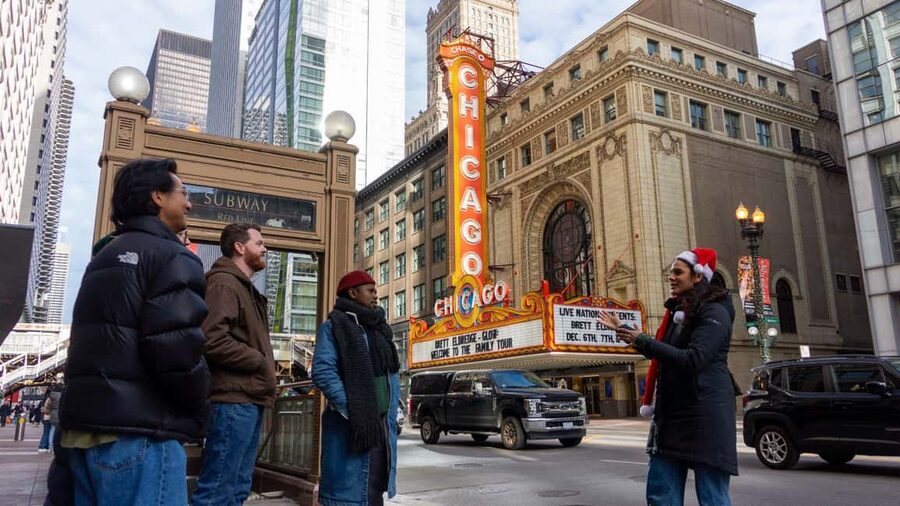
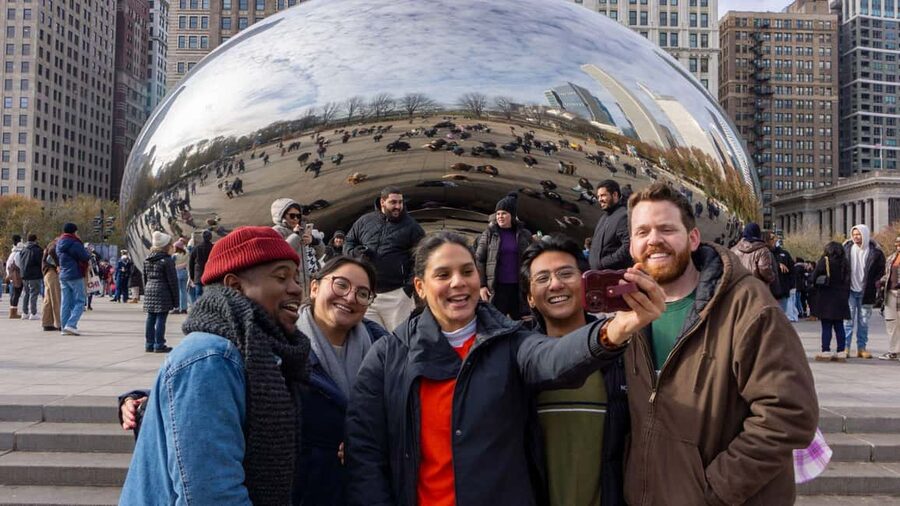
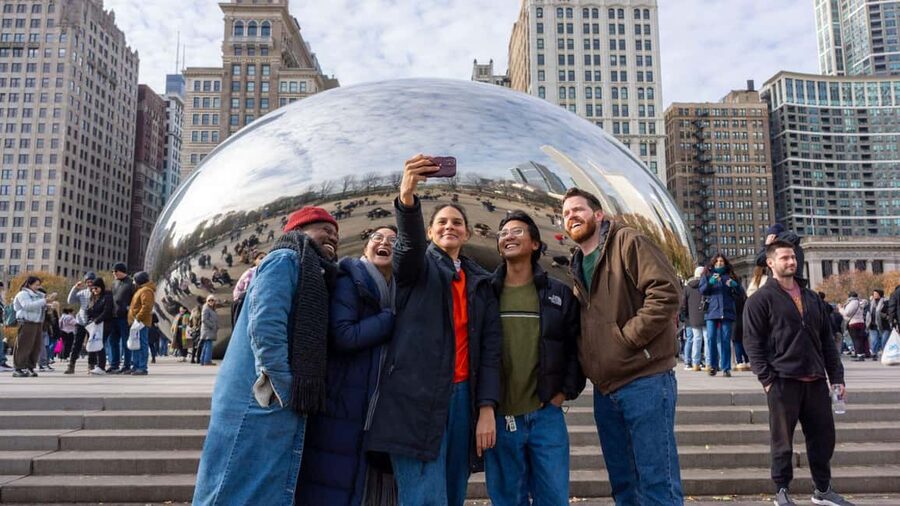
The final major stop is Cloud Gate, the polished stainless-steel sculpture affectionately called The Bean. Its curved surface reflects the skyline, the park, and the people gathered around it, so the scene changes with every angle.
This is the most obvious photo stop, and you will have plenty to look at even if you have seen pictures before. The sculpture turns Chicago’s architecture into part of the artwork. Towers bend across its surface, while the people around it appear in the same reflection.
Your guide can also place Cloud Gate within the city’s modern identity. After seeing older department-store design, Tiffany glass, Picasso, and the Great Fire story, you reach a work that presents Chicago as playful, polished, and forward-looking.
Crowds can affect how long you spend here, and the tour is still working within a two-hour schedule. If you want quiet photographs or a long visit around the sculpture, return on your own later. The guided stop is about meaning and orientation as much as photography.
How the two-hour timing works
Two hours is enough to connect the main sights, but not enough for long interior visits, museum galleries, or a slow architectural study of every building. I see that as a fair trade for a first look at the Loop.
The pace has been described as comfortable, with every minute used well. That does not mean the tour is effortless. You will walk between downtown stops, spend time outside, and adjust to city weather. Wear comfortable shoes and bring a layer, even in a season that seems mild.
The route is usually offered in the morning and afternoon. A morning start can help you get your bearings before a full day downtown, while an afternoon walk can fit well before dinner or an evening activity. The available time matters, so check the chosen date when booking.
There is no promise of a fixed indoor itinerary because the route changes with weather. That flexibility is a plus, particularly in winter. One January participant enjoyed the way the guide used lovely public interiors for warmth while keeping the main focus on Chicago’s architecture.
What $49 buys you
The price is $49 per person, including a professional guide and live English commentary from a Chicago local. Gratuity is not included, so plan for that extra cost if you feel the guide provided good service.
I consider the price reasonable if you value explanation. You can walk past the Picasso, Crown Fountain, Route 66 sign, and Cloud Gate for free, but the tour gives those places a shared story and saves you the work of planning a route through the Loop.
The value is strongest for a first visit, for anyone interested in architecture, and for people who prefer a small-group walking experience to a large sightseeing vehicle. It is less compelling if you already know downtown well or want to spend most of your time inside the Art Institute.
The six available ratings are all five out of five, with praise centered on the guide’s energy, clear stories, architectural explanations, good pacing, and ability to involve the whole group. That is a useful pattern: the guide is the main reason to pay for this experience, not admission to an attraction.
You can cancel up to 24 hours ahead for a full refund, and you can reserve now while paying later. Those terms help if your Chicago plans may shift, though the value still depends on choosing a day when you are happy to walk outdoors.
Who should book this Loop walk
I would recommend it to first-time Chicago visitors who want a firm introduction to downtown without committing half a day to a museum or cruise. It also fits architecture fans who enjoy hearing why a building or sculpture matters, rather than simply collecting names.
Families and mixed-age groups may like the variety. The Bean, Crown Fountain, Picasso, and the L give younger visitors visual points of interest, while the Great Fire and department-store history give adults more to think about.
Winter visitors should give this tour special consideration. The walk still requires outdoor time, but the plan includes indoor public buildings and lobbies when the weather turns cold or rainy. That makes it a more sensible winter choice than an outing built entirely around open-air stops.
You should skip it if you dislike walking, need a long museum visit, or want a tour focused only on skyscraper engineering. A river architecture cruise would offer a different view of Chicago’s buildings, while an observation deck would focus on the skyline from above.
Should you book the Chicago Loop tour?
Book this tour if you want a lively two-hour introduction to Chicago’s center, especially early in your stay. The route connects public art, rail infrastructure, department-store history, the Great Fire, Millennium Park, Route 66, the Art Institute, and Cloud Gate without making you solve the downtown map yourself.
The best reason to go is the local guide. The route is familiar, but thoughtful commentary turns familiar sights into a story about how Chicago rebuilt, grew, and made art part of daily city life.
Do not book it expecting a full Art Institute visit or a leisurely stop at every landmark. At $49, it is a fair buy for context, pacing, and weather-aware planning. Meet at the Chicago Theatre, bring comfortable shoes, and keep some time afterward for whichever stop catches your interest most.
FAQ
Where does the tour meet?
Meet your guide in front of the Chicago Theatre at 175 North State Street, at the corner of State and Lake.
How long does the tour last?
The walking tour lasts two hours.
What language is the tour conducted in?
The live tour is conducted in English.
What is included in the price?
The price includes a professional tour guide and live commentary from a Chicago local.
Is gratuity included?
No. Gratuity is not included in the tour price.
Does the route change in cold or rainy weather?
Yes. The tour is adjusted to the weather, with more time inside notable public buildings and lobbies when conditions are cold or rainy.
Will the tour enter the Art Institute of Chicago?
The Art Institute is included as a stop on the route, but the tour details do not include museum admission or promise a full gallery visit.
Can I cancel the booking?
Yes. You can cancel up to 24 hours in advance for a full refund. You can also reserve now and pay later.
More Architecture Tours in Chicago
- Chicago Architecture River Cruise
★ 5.0 · 15,756 reviews - Chicago River 90-Minute Architecture Tour
★ 4.5 · 9,629 reviews - Chicago River: 1.5-Hour Guided Architecture Cruise
★ 4.8 · 8,046 reviews - Chicago Architecture Center River Cruise aboard First Lady
★ 5.0 · 5,536 reviews
Just added in Chicago
- Chicago: Architecture and Engineering Marvels Walking Tour★ 5.0 · 3 reviews
- Private Downtown Chicago TV and Movie Sites Guided Walking Tour★ 4.5 · 3 reviews
- Black Heritage Tour★ 5.0 · 3 reviews
- Private SUV Transfer from Chicago Downtown to Midway airport★ 5.0 · 3 reviews
- Private Holiday City Tour★ 5.0 · 3 reviews
- BYOB Chicago River Guided History Tour★ 5.0 · 4 reviews
- Chicago 4-Hour Sightseeing Transfer by Luxury SUV★ 4.5 · 3 reviews
- Chicago, Cloud Gate, Grant Park Full-Day City Tour★ 4.0 · 4 reviews
Chicago Architecture Tours, compared.
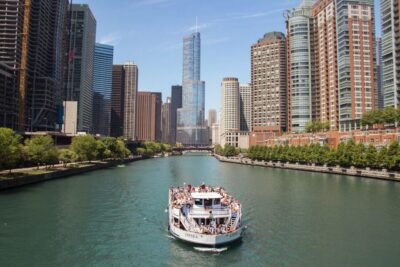
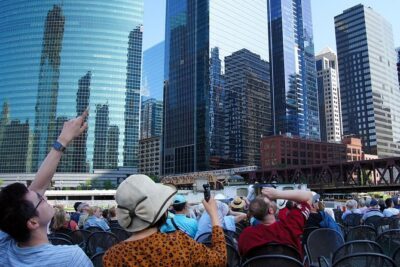
Chicago Architecture Center River Cruise aboard First Lady
Read our review →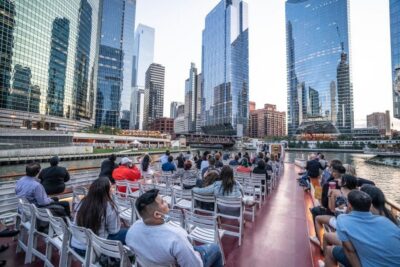
Architecture River Cruise Skip-the-Ticket Line
Read our review →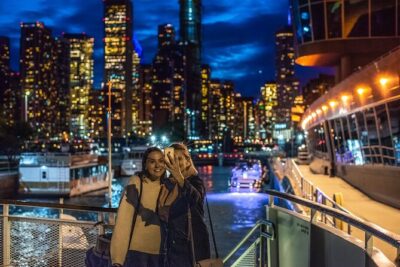
Chicago River 45-Minute Architecture Tour from Magnificent Mile
Read our review →
45-Minute Family-Friendly Architecture River Cruise
Read our review →Browse the lists this tour appears in