
Reviewed · CHICAGO ARCHITECTURE TOURS
Chicago: Architecture & True Crime History
Chicago’s great buildings and its darkest stories make an unlikely but effective pair. This 1.5-hour walking tour connects Beaux Arts elegance, Art Deco drama, and Modernist design with tales of murder, corruption, and scandal, including stories linked to H. H. Holmes and John Wayne Gacy.
I like the way the tour gives you two ways to read downtown: look up at the architecture, then consider what took place in its shadow. I also like that guides such as Joseph bring a local, personal feel to the walk, with clear storytelling and the flexibility to adjust the route when bad weather gets in the way. The main drawback is that this is a short walking tour, so anyone wanting a full architectural survey or a long, detailed account of every crime will need another experience too.
In This Review
- Key points to know before you book
- Why Chicago architecture works so well with true crime
- Starting beneath the Palmer House canopy
- Reading Beaux Arts, Art Deco, and Modernist Chicago
- From Holmes and Gacy to lesser-known cases
- The value of a local guide
- What the 90-minute format gives you
- Why the $35 price can make sense
- Who should take this Chicago walking tour
- How it compares with other Chicago experiences
- Booking, cancellation, and timing tips
- Should you book Chicago Architecture and True Crime History?
- FAQ
- How long is the Chicago Architecture and True Crime History tour?
- How much does the tour cost?
- Where is the meeting point?
- What language is the tour offered in?
- Which crime stories are included?
- Is hotel transportation included?
Key points to know before you book
- Two subjects in one walk: You get Chicago architecture and true crime rather than a standard building tour or a crime-only outing.
- A Devil in the White City connection: The experience uses the book’s blend of grand design and a city’s grim undercurrent as its guiding idea.
- Local guides with a strong interest in the subject: Guides such as Joseph and other Chicago history buffs lead the walk in English.
- A central meeting point: Meet under the Palmer House canopy on the Wabash side, beside Poké Poké.
- A useful 90-minute length: The tour fits neatly into a morning or afternoon and costs $35 per person.
Why Chicago architecture works so well with true crime
Chicago is a city where the buildings often tell one story, while the streets tell another. Grand hotels, commercial blocks, and early skyscrapers can suggest wealth, confidence, and progress. Behind that polished view are stories of greed, violence, political corruption, and people who used a fast-growing city to hide in plain sight.
That contrast gives this tour its purpose. You are not simply looking at façades while a guide recites dates. You are asked to connect the physical city with the people who shaped, exploited, or damaged it. A decorative entrance may introduce a period of ambition. A busy downtown corner may lead into a story of deception or murder.
The tour takes its cue from The Devil in the White City, which pairs Chicago’s architectural achievement with the crimes of H. H. Holmes. You do not need to have read the book to follow along. The theme is easy to grasp: a city famous for invention and beauty also had a dark side, and both sides remain part of its identity.
I find that approach more useful than a simple list of notorious names. You get the larger setting first, then the human story. That helps the crime tales feel tied to Chicago rather than dropped into the walk as random shock material.
More architecture tours in Chicago:
- Chicago Architecture River Cruise
★ 5.0 · 15,756 reviews - Chicago River 90-Minute Architecture Tour
★ 4.5 · 9,629 reviews - Chicago River: 1.5-Hour Guided Architecture Cruise
★ 4.8 · 8,046 reviews
Starting beneath the Palmer House canopy
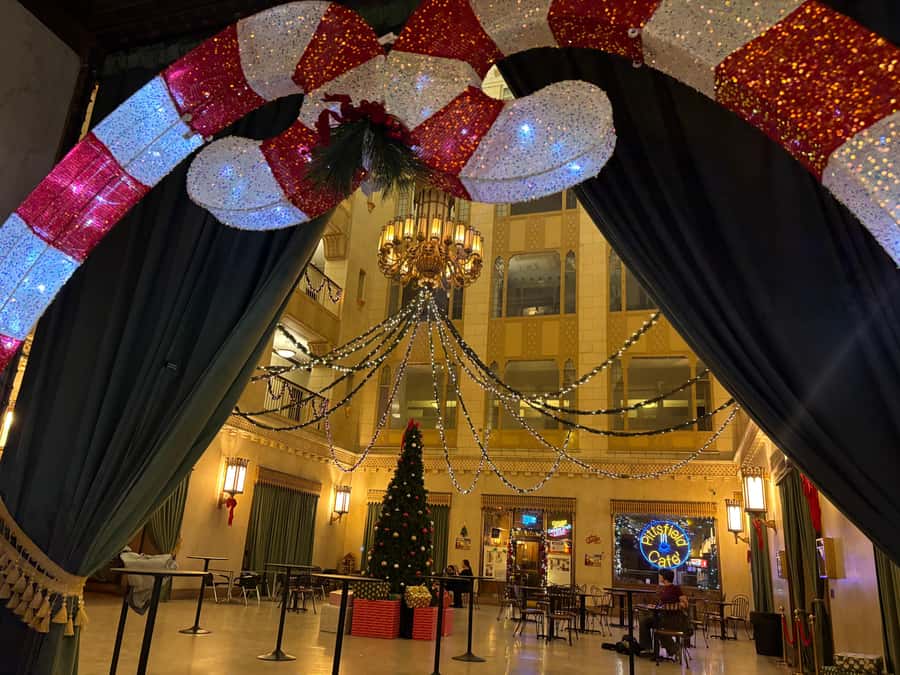
The meeting point is under the Palmer House canopy on the Wabash side, right beside Poké Poké. This is a practical downtown location, but take a moment to check that you are on the Wabash side of the building. A large hotel with several entrances is not the place for a last-second guessing game.
The Palmer House also suits the subject. It gives the tour an immediate sense of Chicago’s grand urban past before the guide has said much at all. From here, the experience can move naturally into the city’s commercial and architectural story.
The supplied details do not set out a fixed list of named stops, so I would not book this expecting a precise building-by-building route. Instead, think of it as a guided walk through selected downtown sights. The guide uses the streets and buildings at hand to explain Chicago’s design traditions and the crimes associated with the city.
That can be a strength. A tour built around a strict checklist may rush past a good story. A guide who can respond to the surroundings has more room to explain why a particular façade, block, or district matters.
Reading Beaux Arts, Art Deco, and Modernist Chicago
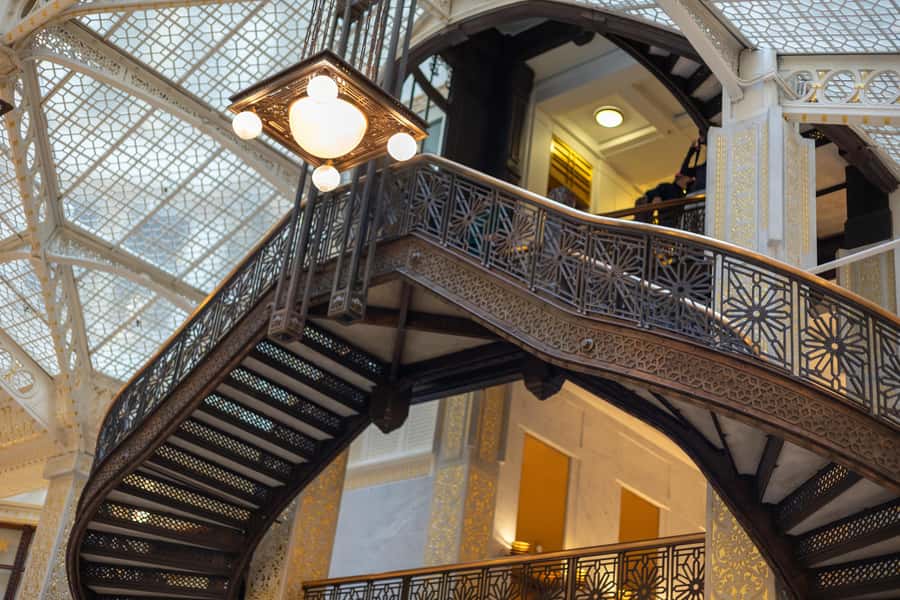
One of the pleasures here is the range of styles mentioned in the tour plan. Beaux Arts design brings formal decoration and a sense of ceremony. Art Deco gives you strong shapes and bold period style. Modernist buildings shift the mood toward clean lines and a more restrained look.
You are not taking an architecture course, and the 90-minute length does not allow for a full technical lesson. Still, these labels give you a useful visual framework. Instead of seeing downtown as a wall of unrelated towers, you can start to notice changes in taste and ambition.
I like this part because it makes the city easier to read after the tour ends. You may find yourself spotting decorative details, geometric patterns, or simpler modern forms on your own. The architecture is not treated as decoration around the crime stories. It is one of the main subjects.
The true crime material also gains something from the architectural setting. The guide can explain how a city’s growth, crowded streets, grand ambitions, and changing neighborhoods created places where scandal and violence could unfold. The point is not that a building caused a crime. It is that place gives the story shape.
From Holmes and Gacy to lesser-known cases
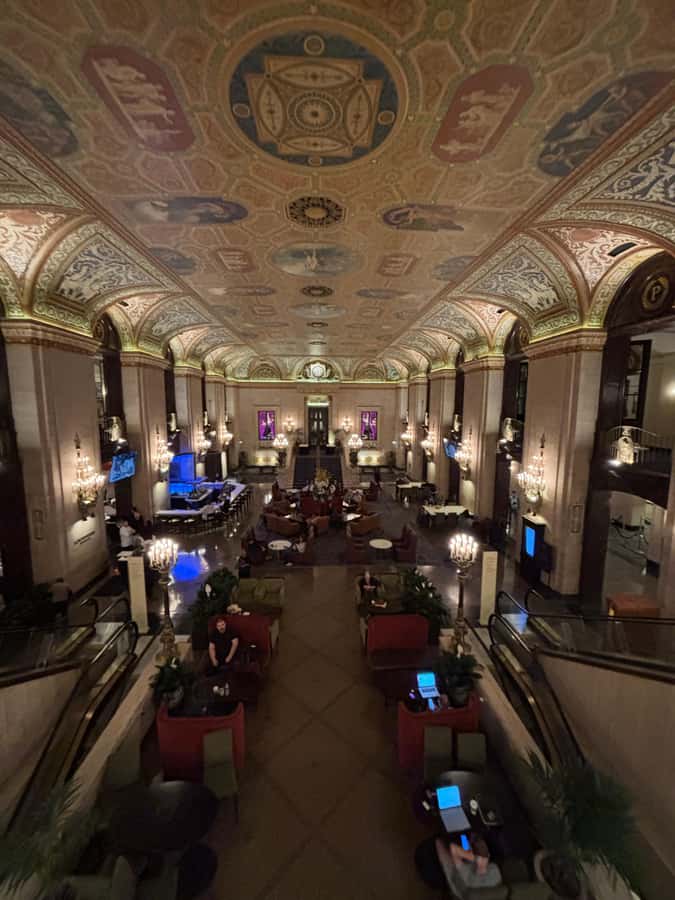
H. H. Holmes and John Wayne Gacy are the best-known names attached to the tour. Their inclusion makes sense for anyone arriving with an interest in Chicago’s criminal past. Holmes is especially important to the Devil in the White City theme, while Gacy represents a later and equally grim chapter in the city’s story.
The tour also promises lesser-known tales. That matters because a walk focused only on famous killers can become predictable. The lesser-known material gives the guide room to show how crime history includes corruption, scandal, and local stories that never reached the same level of public fame.
I would expect the tone to be serious but accessible. The guides are described as history buffs and true crime enthusiasts, which suggests a real interest in the facts and the setting rather than a cheap haunted-house performance. The available feedback also points to strong storytelling, with particular praise for how the guide told the stories, not just for the names included.
That distinction is important. True crime tours can easily become a parade of gruesome details. Here, the architecture gives the guide another way to frame the subject. You hear about the people involved, but you also hear about the city around them, its public image, and the gap between respectable appearances and private wrongdoing.
More history walks in Chicago:
- Chicago in a Day: Food, History & Architecture Walking Tour
★ 5.0 · 1,153 reviews - Chicago: Field Museum of Natural History Ticket or VIP Tour
★ 4.7 · 717 reviews - Field Museum of Natural History Admission Tickets
★ 4.5 · 489 reviews - Chicago Walking Tour: Historic Treasures of Chicago
★ 5.0 · 362 reviews
The value of a local guide
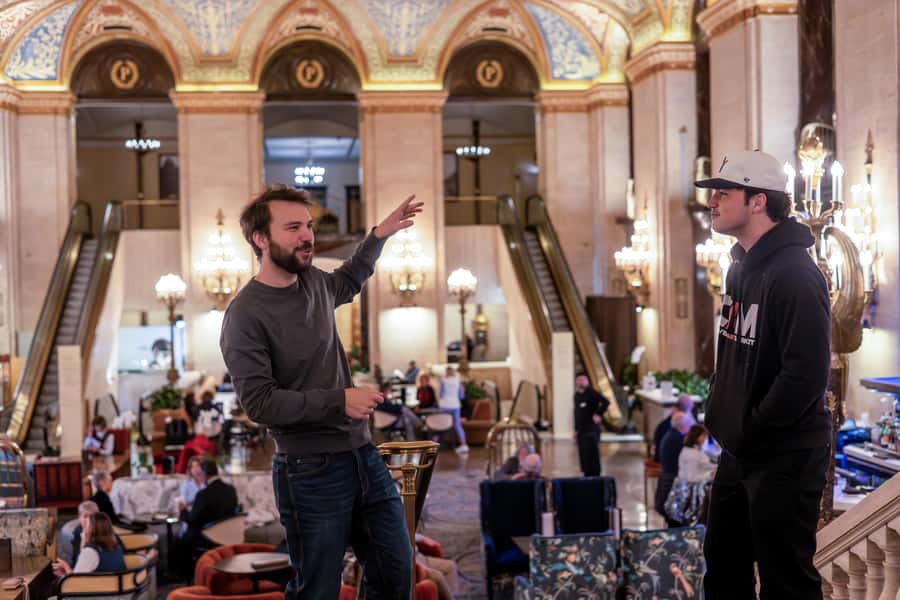
This experience depends heavily on the person leading it. A subject like this can be dry if the guide lists facts, or sensational if the guide chases shock value. The best version needs a steady voice, good timing, and enough local feeling to explain why each story belongs in Chicago.
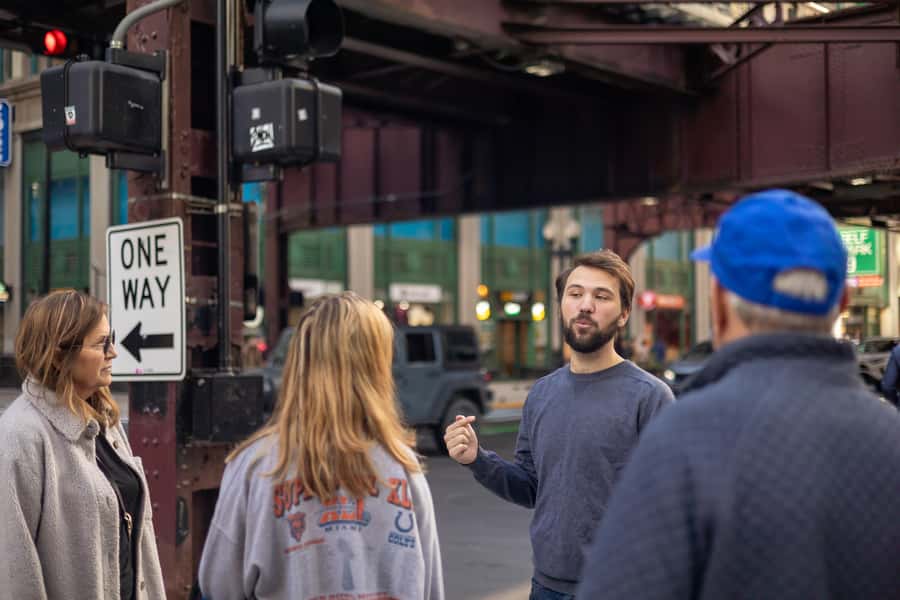
Joseph is one guide specifically associated with the tour. He is described as very well informed about Chicago and personable, with an enjoyable approach to the walk. Another guide, mentioned in the feedback, was praised for telling the stories exceptionally well. Since guides can vary, I would focus on the format rather than assume one named person will lead every departure.
The guide’s ability to adjust is useful too. One group had to change the end of the tour because of thunderstorms, and Joseph adapted. That does not mean weather changes are guaranteed or that every route can be altered, but it shows why a live walking guide can be more useful than a fixed audio recording.
You should also expect an English-language experience. If you want the architecture terms and crime stories delivered with nuance, a live guide is a clear benefit. If you prefer a silent, self-paced walk with time for photographs at every stop, this format may feel more directed.
What the 90-minute format gives you
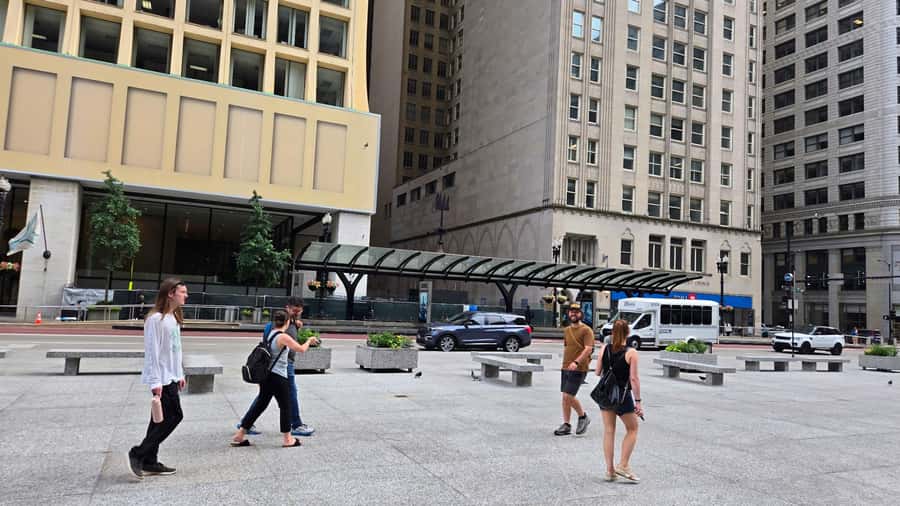
Ninety minutes is a good middle ground for a city walk. It is long enough to establish a theme, cover several pieces of architecture, and tell a number of crime stories without taking over your whole day. You can fit it into a morning before lunch or use it as an afternoon activity between downtown plans.
The short length also keeps the subject from becoming too heavy. True crime can be draining when the material goes on for hours. Here, the architectural sections provide a change of pace, while the crime stories add tension to what might otherwise be a conventional design walk.
There is a trade-off. Do not expect a complete account of Holmes, Gacy, or Chicago’s architectural development. The tour needs to move between several subjects, and the available description does not promise interior access or extended time inside particular buildings.
For that reason, I would treat this as an introduction and a strong downtown orientation, not as the final word on either topic. If you already have a serious interest in architecture, a dedicated river cruise or architecture walk will offer more depth. If organized crime is your main goal, a separate mob or crime tour may spend more time on that subject.
Why the $35 price can make sense
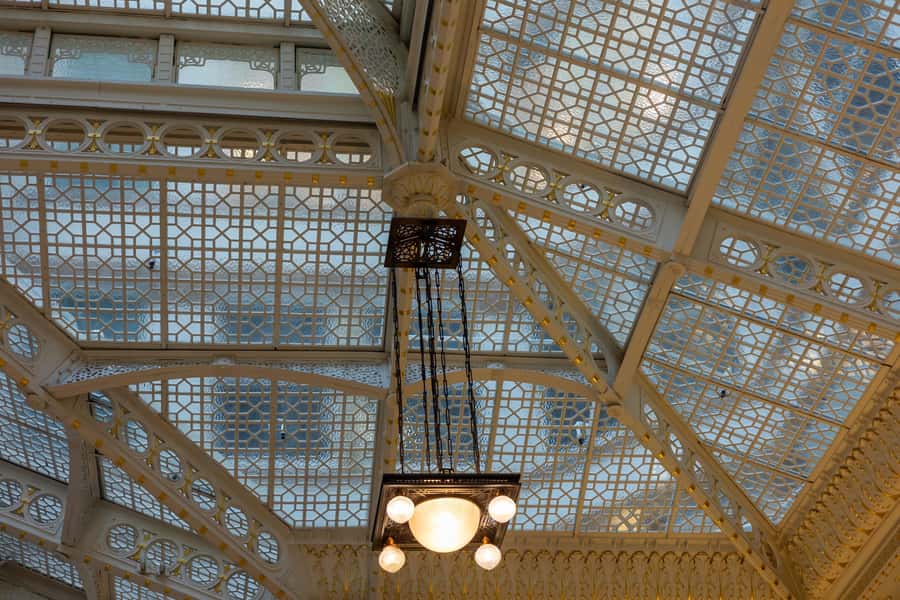
At $35 per person, the tour sits in a reasonable range for a guided downtown activity. You are paying for a live guide, local interpretation, and a focused 90-minute walk. The value comes from combining two subjects that are often sold separately.
I especially like the price for a first afternoon in Chicago. You get a compact introduction to the city’s buildings and its darker stories without committing to a long bus ride, cruise, or full-day outing. It can also help you decide which subjects deserve more time later.
The value is less clear if you want only architecture. A river architecture cruise, an observation deck ticket, or a dedicated architecture walk may suit you better. The same is true if you want only gangster history. In those cases, part of the ticket pays for a subject you may not care much about.
The tour includes the history and true crime guide. Hotel pickup and drop-off are not included, so you need to reach the Palmer House on your own. That is not a major issue for a central downtown walk, but it is worth planning around if you are staying well outside the Loop.
Who should take this Chicago walking tour
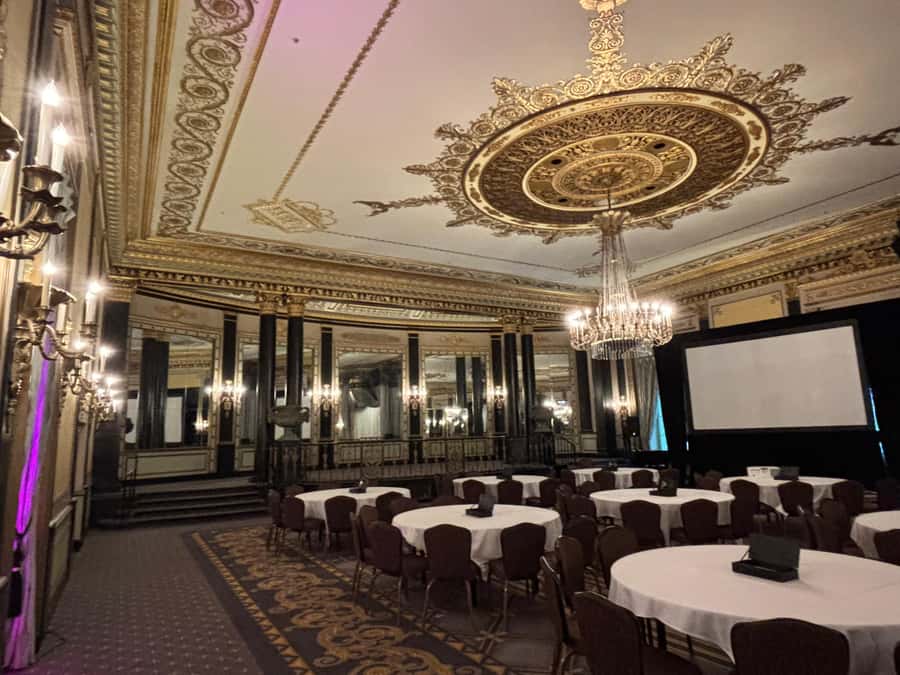
I would recommend it most strongly to you if you enjoy city history with a darker edge. It works well for visitors who have read The Devil in the White City, watched a true crime series, or simply want to understand why Chicago has such a strong connection to both architecture and crime lore.
It is also a good choice if you are traveling with someone whose interests differ from yours. One person can focus on the buildings, while the other follows the crime stories. The format gives both of you something to hold onto.
The tour may suit first-time visitors particularly well because it introduces Chicago through stories rather than a long string of dates. You get a sense of place, public image, local character, and the uneasy side of urban growth.
I would be more cautious if children are in your group, since the subject includes serial killers, murder, and scandal. The description does not give an age recommendation or explain how graphic the material becomes, so parents should use their own judgment.
You should also be comfortable walking outdoors for 1.5 hours. The exact route, number of stops, and amount of time spent at each place are not specified. Wear sensible shoes and check the forecast, especially since thunderstorms can affect the end of a walking tour.
How it compares with other Chicago experiences
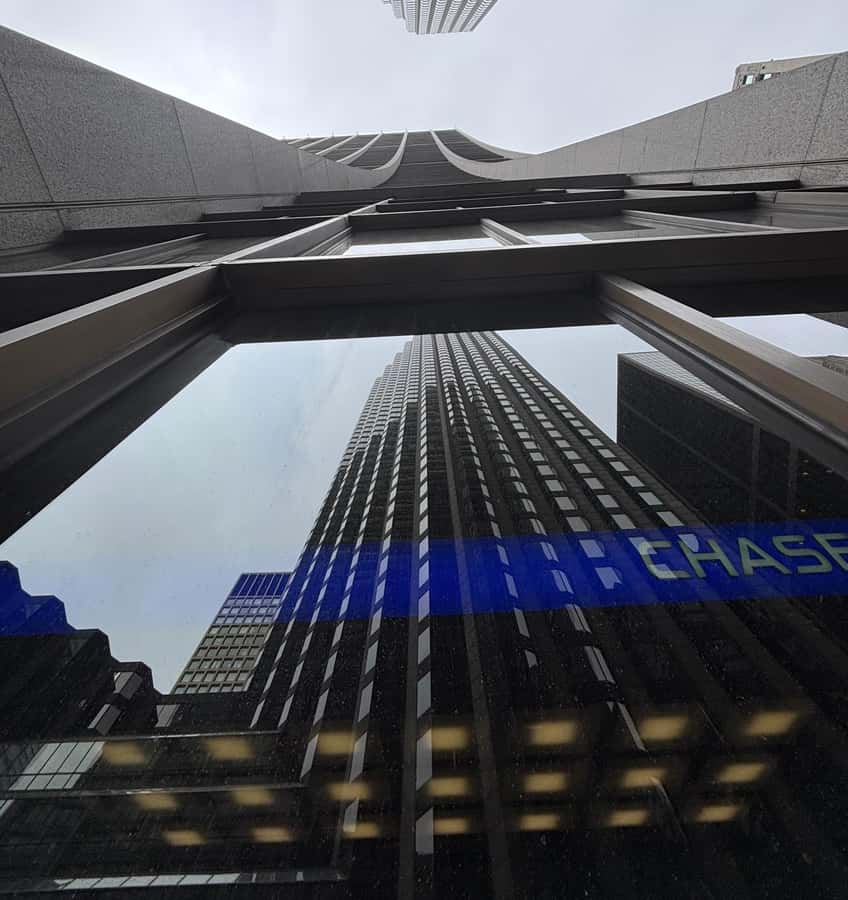
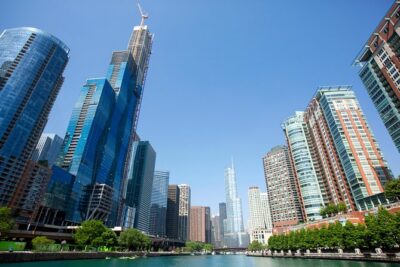
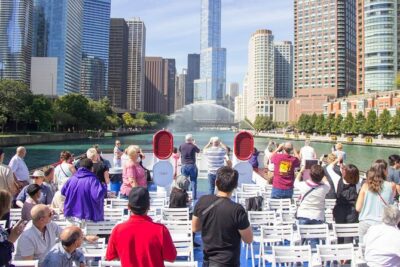
A river architecture cruise is the natural alternative if buildings are your top priority. From the water, you get a broad view of Chicago’s skyline and a comfortable seated experience. You lose the close street-level connection to crime stories, but you gain a stronger overall view of the city’s architecture.
An observation deck gives you height rather than context. It is better for seeing Chicago spread out around you, while this tour is better for understanding the streets and buildings at human scale.
A gangsters and ghosts walk or a mob and crime bus tour will appeal more if you want the criminal side to lead the experience. Those options may offer a longer format or a different focus, while this tour keeps architecture in the same frame.
A family-friendly architecture cruise is likely the gentler choice for a mixed-age group. A secret interiors architecture tour may be better if entering notable spaces matters more to you than hearing about crime.
This tour’s advantage is its balance. It does not try to be the city’s only architecture lesson or its most exhaustive crime history. It gives you a clear theme, a local guide, and enough time to see how the two subjects can illuminate each other.
Booking, cancellation, and timing tips
You can usually find departures in the morning and afternoon, which makes it easy to place the walk around meals or other downtown plans. I would avoid scheduling something with a strict start immediately afterward, since weather or street conditions can affect a walking route.
The meeting point is precise enough to use, but arrive with a little spare time. Find the Palmer House canopy on the Wabash side and look for Poké Poké nearby. Hotel pickup and drop-off are not offered.
You can cancel up to 24 hours before the experience for a full refund. The reserve-now, pay-later option also keeps your plans flexible, which is useful when a Chicago forecast looks uncertain.
Should you book Chicago Architecture and True Crime History?
Book it if you want a compact downtown walk with a strong story hook, especially if you like both grand buildings and unsettling history. The best part is the way the tour asks you to see Chicago as a real city, not just a skyline or a collection of crime legends.
At $35, it is a fair buy for the combined subject matter and 90-minute format. Choose another experience if you want a full architecture study, a view from above, or a longer crime-focused outing.
For many visitors, this will work best early in a Chicago stay. The guide can give you a useful mental map of downtown, and the stories may make later walks more interesting. Just bring comfortable shoes, allow for outdoor weather, and remember that the short format favors a lively overview over total detail.
FAQ
How long is the Chicago Architecture and True Crime History tour?
The tour lasts 1.5 hours, or 90 minutes.
How much does the tour cost?
The listed price is $35 per person.
Where is the meeting point?
Meet under the Palmer House canopy on the Wabash side, right next to Poké Poké.
What language is the tour offered in?
The live tour guide speaks English.
Which crime stories are included?
The tour includes stories about H. H. Holmes and John Wayne Gacy, along with lesser-known tales involving crime, corruption, murder, and scandal.
Is hotel transportation included?
No. Hotel pickup and drop-off are not included, so you must make your own way to the Palmer House meeting point.
Just added in Chicago
- Chicago: Architecture and Engineering Marvels Walking Tour★ 5.0 · 3 reviews
- Private Downtown Chicago TV and Movie Sites Guided Walking Tour★ 4.5 · 3 reviews
- Black Heritage Tour★ 5.0 · 3 reviews
- Private SUV Transfer from Chicago Downtown to Midway airport★ 5.0 · 3 reviews
- Private Holiday City Tour★ 5.0 · 3 reviews
- BYOB Chicago River Guided History Tour★ 5.0 · 4 reviews
- Chicago 4-Hour Sightseeing Transfer by Luxury SUV★ 4.5 · 3 reviews
- Chicago, Cloud Gate, Grant Park Full-Day City Tour★ 4.0 · 4 reviews
Chicago Architecture Tours, compared.
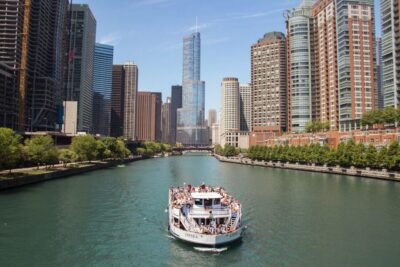
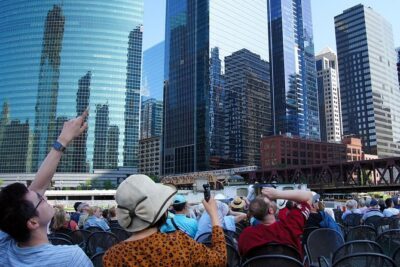
Chicago Architecture Center River Cruise aboard First Lady
Read our review →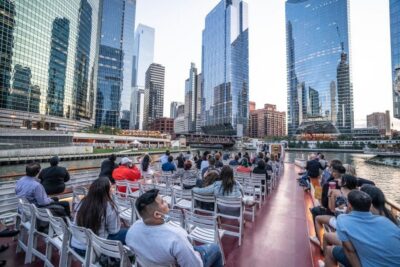
Architecture River Cruise Skip-the-Ticket Line
Read our review →
Chicago River 45-Minute Architecture Tour from Magnificent Mile
Read our review →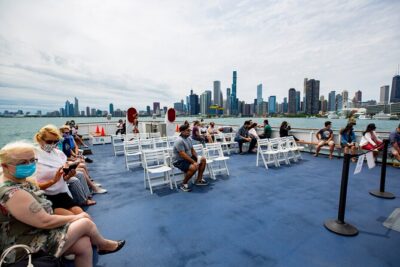
45-Minute Family-Friendly Architecture River Cruise
Read our review →Browse the lists this tour appears in