
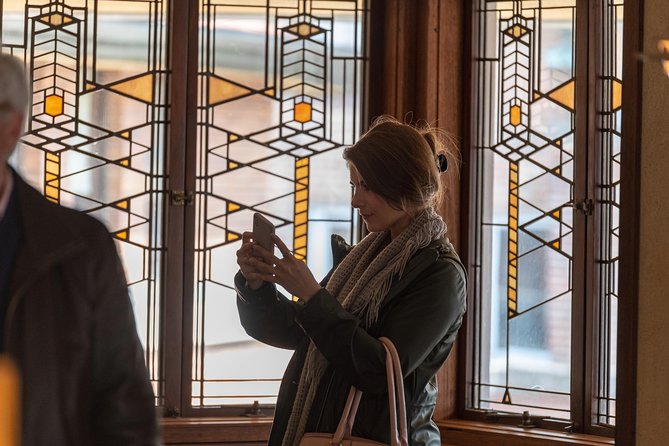
Reviewed · CHICAGO
Frank Lloyd Wright Robie House Admission
Frank Lloyd Wright’s Robie House is not a polite old mansion filled with furniture. It is a bold experiment in how a home should work, with long horizontal lines, warm wood, art glass, brickwork, and rooms that flow toward the prairie beyond. The interior tour is the real prize, since it lets you see Wright’s ideas at close range rather than simply admire the building from the street.
I like two things here. First, the house gives you a clear lesson in Prairie design, from its low roofline to its strong connection between inside and outside. Second, the small group limit of 14 people makes it easier to hear the guide and study details without a crowd pressing around you. The main catch is booking: you may need to secure a tour time with the venue after buying admission, and several visitors have arrived to find their third-party reservation was not yet a confirmed slot.
In This Review
- Key points to know before you go
- Why Robie House matters in Chicago architecture
- What you see during the one-hour visit
- The guides make the architecture easier to read
- Booking is the one serious weak spot
- Timing your visit in Hyde Park
- How much value do you get?
- Access, group size, and comfort
- Who will enjoy Robie House most?
- Should you book this Robie House visit?
- FAQ
- Where does the Robie House tour begin?
- How long does the experience last?
- Which days are public tours available?
- What are the listed opening hours?
- Is the tour guided?
- How many people can join the tour?
- Can I cancel for a refund?
Key points to know before you go
- See the inside of a UNESCO World Heritage Site: Robie House is part of the UNESCO listing for the 20th-Century Architecture of Frank Lloyd Wright.
- Expect about one hour: The visit covers both the exterior and interior, then returns you to the starting point.
- A guide adds real value: Guides including Mary, Bruce, Bryan, and Preety have been praised for explaining Wright, the house, and Hyde Park in an engaging way.
- Confirm your tour time: Admission and an actual timed place may not be the same thing when booked through a third party.
- Plan for limited public-tour days: Public tours run Thursday through Monday, with the museum closed Tuesday and Wednesday.
- Think carefully about access: The surrounding area is pleasant, but the building is not easily accessible for some travelers with disabilities.
Why Robie House matters in Chicago architecture
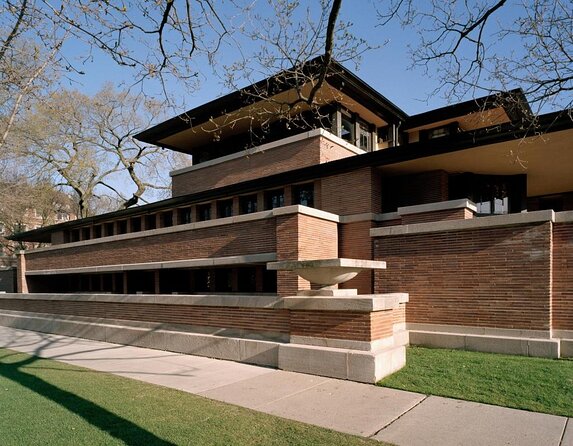
The Frederick C. Robie House is one of those places where the photographs only tell half the story. From the outside, you see a long, low structure built around broad horizontal lines. Inside, the design becomes more personal and more surprising, with Wright controlling the movement from room to room through changes in ceiling height, woodwork, light, and sightlines.
Wright designed Robie House in the Prairie style, a movement that looked to the broad Midwest prairie for inspiration. Instead of copying European palaces or Victorian houses, he created a building that seemed to stretch outward across its site. The strong brick bands and low roof help the home feel tied to the ground.
That idea is easier to understand once you are indoors. The house is not just a collection of separate rooms. Wright worked to connect them, blending interior materials with views and outdoor space. You will hear how the design brings inside and outside elements together, one of the clearest themes of the tour.
Wright himself described Robie House as a cornerstone of modern architecture. That is a large claim, but the building explains why he made it. It rejects the boxlike rooms and heavy decoration common in many older homes, replacing them with a more open, carefully directed experience.
What else people book in Chicago on the same trip:
- Chicago Architecture River Cruise
★ 5.0 · 15,756 reviews - Chicago River 90-Minute Architecture Tour
★ 4.5 · 9,629 reviews - Chicago River: 1.5-Hour Guided Architecture Cruise
★ 4.8 · 8,046 reviews
What you see during the one-hour visit
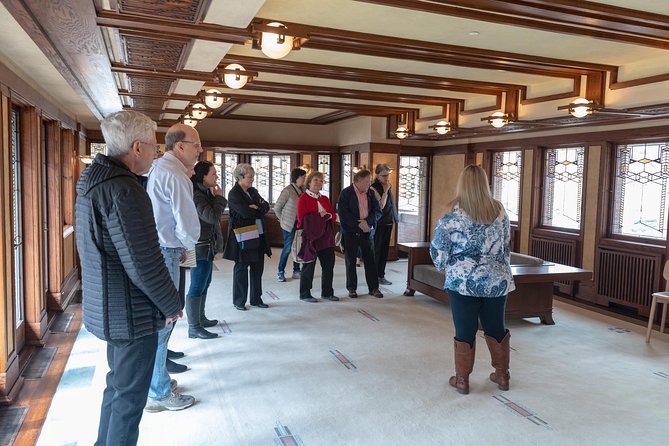
Your visit begins at 5757 South Woodlawn Avenue on the University of Chicago campus. The tour takes in the outside of Robie House before moving through the interior, so you get a useful introduction to the building’s shape before Wright’s planning becomes visible from within.
Outside, pay attention to the way the house sits low and wide. The design emphasizes horizontal movement, with long lines that echo the flat prairie. The exterior can look restrained at first, but the brickwork and carefully placed details reward a closer look.
Inside, the guide explains how Wright shaped daily life through architecture. The tour is especially useful if you want more than a quick walk through a famous building. You will learn why the rooms connect as they do, how the materials work together, and how the house came close to being demolished before it was saved.
The fireplace receives special attention in the visitor experience. One particularly memorable feature is the way the brick was handled around the main fireplace. If you enjoy materials and construction, this is the sort of detail that turns a general architecture visit into a close study of design.
The visit is listed at about one hour. That is enough time for a solid introduction, but not so long that it takes over your day. I would allow extra time around the scheduled visit for arriving, checking in, and browsing the gift shop.
The guides make the architecture easier to read
Robie House is important, but importance alone does not make a building easy to understand. A good guide helps you see what your eyes might miss, especially in a house where the effect comes from repeated small decisions rather than one grand centerpiece.
Mary has been praised for her command of Wright’s work and her ability to keep the material interesting while answering questions. Bruce has been noted for clear, detailed explanations. Bryan brings strong knowledge of both the house and its original owner, while Preety has been singled out for making the history and design easy to follow.
The exact guide will depend on the day. The useful point is that this is not simply a pass through empty rooms. The guide provides the link between the building’s appearance and Wright’s intentions.
I would pay close attention to explanations of how the house joins inside and outside spaces. That theme comes up again and again because it is central to the design. You may also hear about Wright, the Robie family, the Hyde Park area, and the effort to preserve the property.
If your interest is mainly architecture, ask questions. The small group size should give you a fair chance to do so. If you are visiting with children, the guided format can help keep the house from feeling like a silent march through old rooms.
Booking is the one serious weak spot
The biggest practical warning is simple: do not assume a paid mobile ticket automatically means you have a timed tour place.
Several booking problems have been reported. Some people reached the house and found that the venue could not locate the reservation. Others learned only at arrival that they needed to choose or request a tour time directly with Robie House. In one case, a group arrived at 10 a.m. and could only find space on a 2 p.m. tour. That worked out, but it could just as easily have meant missing the visit.
The public-tour schedule is also important. Public tours are available Thursday through Monday, and the museum is closed Tuesday and Wednesday. The listed operating hours are 10 a.m. to 3 p.m., but that should not be treated as permission to arrive at any hour and expect entry.
My advice is to confirm three things before you travel:
- That your reservation is recognized by the venue
- The exact time of your tour
- That you are visiting on a public-tour day
If the booking instructions direct you to arrange a time with the venue, do it right away. Do not wait until the morning of your visit. Robie House tours are limited in size, and a full tour leaves you with little recourse.
This issue affects the value of the experience more than the house itself. The building and staff have earned strong praise, but a booking service cannot help much if your place was never properly assigned. Direct booking with the venue may be worth considering if the third-party instructions remain unclear.
A different way to spend an afternoon in Chicago:
- Chicago: Gangsters and Ghosts Walking Tour
★ 5.0 · 7,155 reviews - Chicago Architecture Center River Cruise aboard First Lady
★ 5.0 · 5,536 reviews - Chicago: Willis Tower Skydeck and The Ledge Ticket
★ 4.6 · 4,350 reviews - Chicago: Architecture River Cruise Skip-the-Ticket Line
★ 4.8 · 4,325 reviews
Timing your visit in Hyde Park
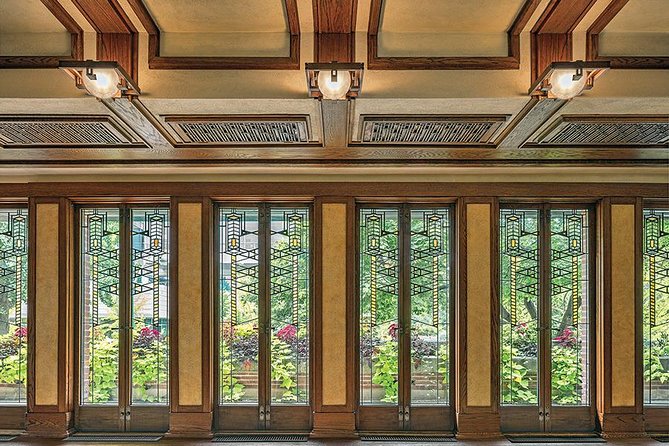
Robie House is at 5757 South Woodlawn Avenue in Hyde Park, on the University of Chicago campus. It is near public transportation, though one visitor found public transport difficult enough to abandon the visit. Give yourself time to plan the route, especially if you are not familiar with the south side of Chicago.
The surrounding area is part of the experience. The neighborhood around the house is attractive, and a self-guided neighborhood walk can help you get your bearings before or after the tour. You might pair the visit with another Hyde Park stop, including the Museum of Science and Industry, which is mentioned as a useful nearby addition.
A coffee shop next door gives you a practical place to wait if your tour time is later in the day. The gift shop is also worth allowing time for. It has been described as a strong part of the visit, especially if you want books, design items, or a small reminder of Wright’s work.
Because the tour itself lasts about an hour, it fits well into a half-day plan. You could begin with a neighborhood walk, take the Robie House tour, stop for coffee, and continue to another museum or campus sight.
How much value do you get?

The value depends on what you want from the visit. If you only want a photograph of a famous Frank Lloyd Wright building, admission may feel like more than you need. The exterior is impressive, but the important work happens inside.
If you care about architecture, design, preservation, or Chicago history, the guided visit is much easier to justify. You are not paying only to enter an old house. You are paying for access to a major work of American architecture and for the explanations that make its details readable.
The visit also gains value from its setting. Robie House is not an isolated object in a gallery. It is part of Hyde Park and the University of Chicago campus, a setting that makes it possible to connect the house with the life of the surrounding neighborhood.
Because no single price is provided here, I cannot judge the exact cost against other Chicago attractions. I can say this: the admission offers fair value when the interior tour is confirmed and your guide is able to explain the design. It offers poor value if you arrive without a reserved time and must pay again for a last-minute option.
The occasional $150 last-minute expense reported by one family is a useful warning, not a normal price to plan around. Confirm the details before you go so the cost remains the admission you intended to pay.
Access, group size, and comfort

The maximum group size is 14 people. That is a useful limit for a house tour because narrow rooms, detailed woodwork, and carefully framed views are hard to appreciate from the back of a large crowd.
Most travelers can participate, and service animals are allowed. Still, the building is not easily accessible for some disabled visitors. If stairs, uneven surfaces, or other access concerns affect you, contact the venue before booking and ask what parts of the visit are suitable.
The house is preserved rather than arranged like a modern attraction. That is part of its appeal, but it also means you should not expect every area to work like a fully accessible museum. Ask specific questions instead of relying only on the general participation notice.
The one-hour length is manageable for most people. Seating and other comfort details are not fully specified, so do not assume the whole visit will be spent sitting down. Wear sensible shoes and arrive ready to stand and move through the house.
Who will enjoy Robie House most?
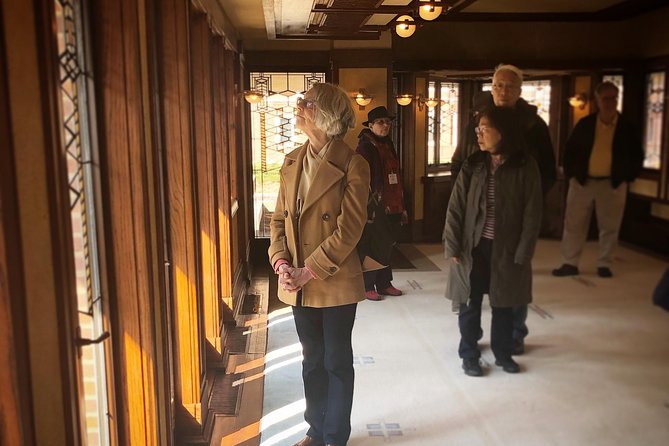
I would recommend this experience first to anyone with an interest in Frank Lloyd Wright or American architecture. It is also a strong choice for visitors who want a focused Chicago sight rather than another large museum that takes half a day to cover.
It suits couples, families, solo visitors, and small groups. Families can use the house to talk about how buildings shape movement and light. Solo visitors may appreciate the chance to ask questions without managing a large group. Couples often find the compact tour easy to fit into a day in Hyde Park.
You do not need to be an architecture expert. The guide explains the building’s ideas in practical terms, and the house itself gives you plenty to look at. Still, if your main interest is celebrity homes or ornate decoration, the low lines and controlled design may seem quiet at first.
Give the tour time to work. Look at how the rooms connect, how the fireplace anchors the interior, and how Wright repeats materials and lines. The more closely you look, the more the house reveals.
Should you book this Robie House visit?
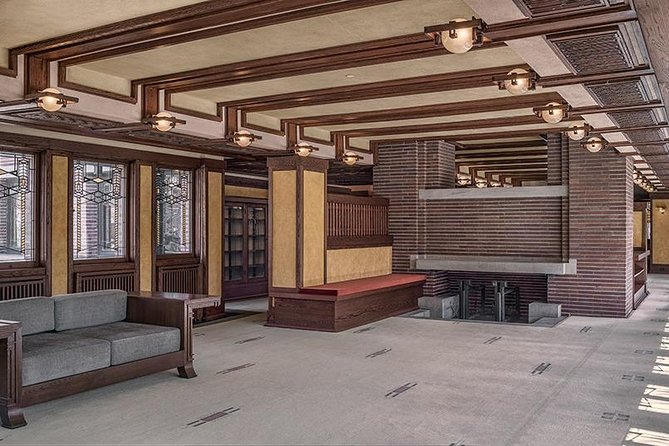
Yes, if you can confirm the actual tour time.
Robie House offers a rare chance to enter one of Frank Lloyd Wright’s most important Prairie houses, not merely view its exterior. The guides can make the design understandable, the small group size is a real advantage, and the Hyde Park setting gives you good options for extending the outing.
I would be cautious about relying on an unclear third-party reservation. Confirm the booking with the venue, especially if the purchase instructions do not show a definite time. If your schedule is tight, a direct reservation with the Frank Lloyd Wright Trust may be the safer path.
Book this if you want architecture explained through a real building, with time to notice brick, wood, light, and room layout. Skip it only if you cannot manage the timing or need guaranteed full accessibility without first checking the details.
FAQ
Where does the Robie House tour begin?
The tour begins at 5757 S Woodlawn Ave, Chicago, Illinois 60637, on the University of Chicago campus. The activity ends back at the same meeting point.
How long does the experience last?
The visit lasts about one hour. It includes the exterior and interior of the Frederick C. Robie House.
Which days are public tours available?
Public tours are available Thursday through Monday. The museum is closed Tuesday and Wednesday.
What are the listed opening hours?
The listed hours are 10 a.m. to 3 p.m. The schedule does not mean you can arrive at any time and enter, so confirm your tour time before visiting.
Is the tour guided?
The experience includes access to the house, and guided small-group tours can be booked directly with the venue. Guides named in visitor comments include Mary, Bruce, Bryan, and Preety.
How many people can join the tour?
The activity has a maximum of 14 participants. This keeps the group small enough to hear the guide and examine the house more easily.
Can I cancel for a refund?
You can cancel at least 24 hours before the experience start time for a full refund. Cancellations or changes made less than 24 hours before the start time are not accepted for a refund.
Just added in Chicago
- Private Downtown Chicago TV and Movie Sites Guided Walking Tour★ 4.5 · 3 reviews
- Chicago: Architecture and Engineering Marvels Walking Tour★ 5.0 · 3 reviews
- Black Heritage Tour★ 5.0 · 3 reviews
- Private SUV Transfer from Chicago Downtown to Midway airport★ 5.0 · 3 reviews
- Private Holiday City Tour★ 5.0 · 3 reviews
- BYOB Chicago River Guided History Tour★ 5.0 · 4 reviews
- Chicago 4-Hour Sightseeing Transfer by Luxury SUV★ 4.5 · 3 reviews
- Chicago, Cloud Gate, Grant Park Full-Day City Tour★ 4.0 · 4 reviews