
Reviewed · CHICAGO ARCHITECTURE TOURS
Chicago: Elevated Architecture Walking Tour
Chicago’s architecture looks different from an L train platform. From more than 20 feet above the pavement, you can spot building details, street patterns, and close-up views that disappear when you walk beneath them. This two-hour tour combines short walks, station stops, and a real ride on Chicago’s rapid transit system.
I like the small group of no more than 10 people, which makes it easier to hear the guide and ask questions. I also like that your fare and Chicago Architecture Center gallery admission are included, so the tour connects the city’s buildings with the institution that studies them. The main caution is simple: you need to handle stairs, outdoor standing, and changing weather, and the tour is not suitable for wheelchair users or people with mobility impairments.
In This Review
- Key points to know before booking
- Why the L is the best viewpoint for Loop architecture
- Starting at the Chicago Architecture Center
- The walking portion: learning to read the Loop
- Station platforms and views most people miss
- Riding the L as part of the lesson
- Architecture, architects, and the Loop story
- The Chicago Architecture Center galleries
- Is $35 good value?
- Timing, clothing, and physical demands
- Who will enjoy this tour most?
- Should you book the Chicago L architecture tour?
- FAQ
- Where does the Chicago Elevated Architecture Walking Tour begin?
- How long does the tour last?
- Is the L train fare included?
- Does the tour include Chicago Architecture Center admission?
- What language is the tour offered in?
- How large is the group?
- Is the tour accessible for wheelchair users?
- Does the tour run in bad weather?
- Can I bring luggage, a stroller, food, or drinks?
Key points to know before booking
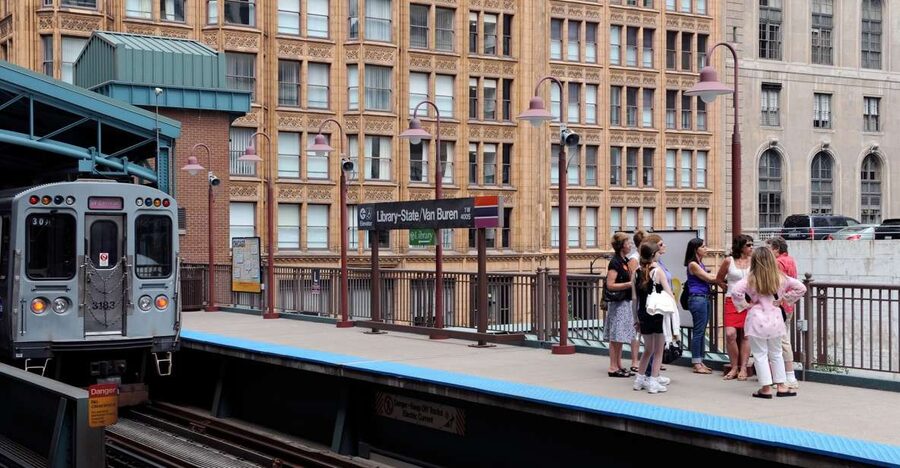
- See the Loop from above street level: Station platforms open up views of architectural details that pedestrians often miss.
- Ride Chicago’s L: Your tour fare and Ventra card are included, giving you a direct taste of the city’s transit system.
- Learn how trains shaped downtown: The guide explains how the L affected the growth and design of buildings in the Loop.
- Keep the group personal: The tour is limited to 10 participants, a useful size for questions and clear commentary.
- Add the Architecture Center galleries: Admission is included after the walking portion, extending the building story beyond the streets.
- Plan for stairs and weather: The tour runs rain or shine and is not accessible for wheelchairs or guests with mobility impairments.
Why the L is the best viewpoint for Loop architecture

Chicago’s first elevated train began service in 1892. Since then, the L has become part of the city’s visual identity, not just a way to get from one neighborhood to another. This tour uses the system as a moving observation deck and as a way to explain how downtown developed.
At street level, you tend to focus on entrances, shopfronts, traffic, and the next crosswalk. From a station platform, your eyes rise. You can study upper stories, cornices, rooftops, and the relationship between older buildings and newer construction. The view is still very urban and practical, with tracks, platforms, and trains close by, but that is the point. You are seeing Chicago through one of the systems that helped shape it.
I like this approach because the train ride is not treated as filler between sightseeing stops. The L is part of the subject. You learn why an above-ground transit network matters to the Loop and then experience that network yourself.
More architecture tours in Chicago:
- Chicago Architecture River Cruise
★ 5.0 · 15,756 reviews - Chicago River 90-Minute Architecture Tour
★ 4.5 · 9,629 reviews - Chicago River: 1.5-Hour Guided Architecture Cruise
★ 4.8 · 8,046 reviews
Starting at the Chicago Architecture Center
The tour begins at the Chicago Architecture Center. Arrive before departure and show your ticket at the box office. You receive a Ventra card there, which is needed to enter the L system.
This starting point gives the tour a useful frame. The center is not simply a meeting place. Your ticket includes admission to its galleries, and the Chicago Architecture Center uses ticket income to support education and community programs in Chicago. Those efforts include Girls Build!, Teen Fellows, the Newhouse Architecture + Design Competition, and Open House Chicago programs.
You do not need to treat the galleries as a rushed extra. If your schedule allows, plan time to look around either before or after the walking portion. The guided tour gives you the city in motion, while the galleries give you a place to pause and think about what you saw.
The box office is also where you get the transit card, so do not head directly to a station without checking in. Food, drinks, luggage, and large bags are not allowed on the tour, and there is no storage for luggage or strollers.
The walking portion: learning to read the Loop
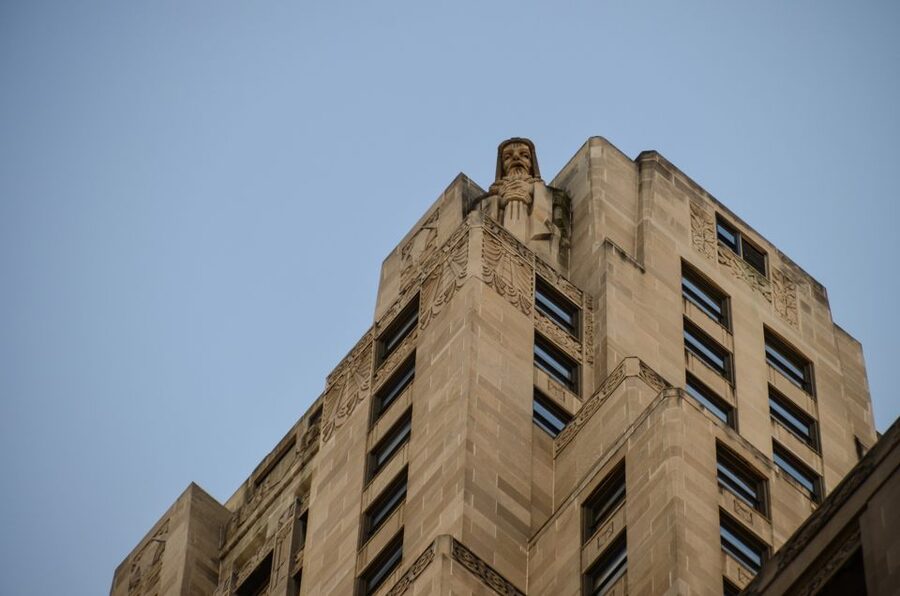
Once the group leaves the center, the guide leads you through the Loop on foot, stopping at several points before returning to the Chicago Architecture Center. The exact stop-by-stop sequence is not specified, so you should think of this as a connected route rather than a fixed list of named buildings.
The useful part is the changing viewpoint. You walk at pavement level, then reach a station platform, then see the same city from above. That contrast helps you notice how much architecture is hidden by street-level activity.
Your guide provides live commentary in English about the L system and the architectural importance of the buildings along the way. The tour passes hundreds of sights, so you will not be studying every building in detail. Instead, the guide helps you understand the larger story: how transit routes influenced where buildings went, how downtown activity formed around the Loop, and why Chicago’s trains are so closely tied to its architecture.
The small group matters here. With up to 10 participants, you can generally stay close to the guide in busy public spaces and ask about a building when something catches your eye. A verified booking specifically praised the intimate group size and the guide’s ability to answer questions about historic buildings and stations. Another review singled out Chris for clear answers and useful information about architects and architecture.
Station platforms and views most people miss
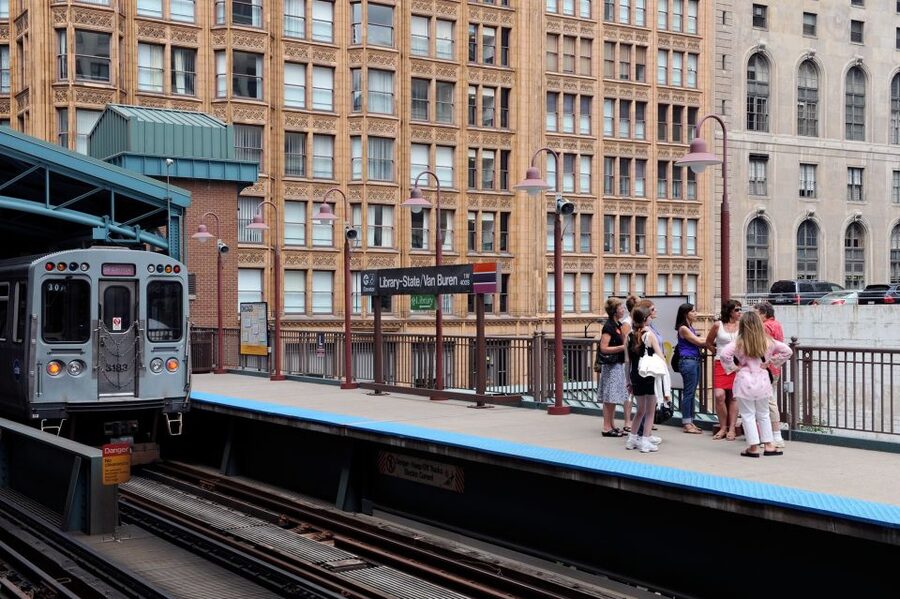
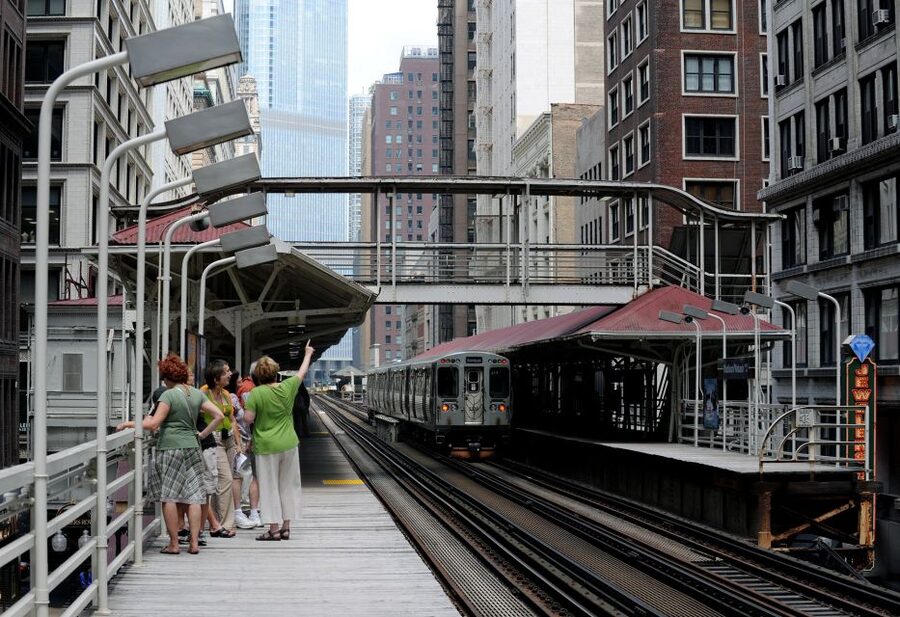
The platforms are the tour’s most distinctive stops. You are not only looking at Chicago from a higher point. You are seeing it from a piece of infrastructure that has operated above the streets for more than a century.
Expect to stand outdoors while listening. The platforms can make the city feel more immediate because trains, tracks, streets, and buildings all occupy the same view. You may notice architectural details on upper floors that would be hard to see from the sidewalk. The tour description also points to hundreds of sights along the route, so keep your eyes moving rather than waiting for one single grand viewpoint.
This is a good tour for someone who enjoys connections. The guide may discuss a building, its architect, and the way transit shaped the district around it. The value comes from understanding the city as a working system rather than collecting isolated photo stops.
There is a tradeoff. Platforms are active public spaces, not private viewing decks. You will be standing near transit activity, and commentary may compete with city noise. Stay close enough to hear the guide and follow instructions around the tracks and station areas.
More walking tours in Chicago:
- Chicago: Gangsters and Ghosts Walking Tour
★ 5.0 · 7,155 reviews - Chicago Favorites Ultimate Food and Walking Tour
★ 5.0 · 1,962 reviews - Chicago: Gangsters and Ghosts Guided Walking Tour
★ 4.7 · 1,697 reviews - Chicago in a Day: Food, History & Architecture Walking Tour
★ 5.0 · 1,153 reviews
Riding the L as part of the lesson
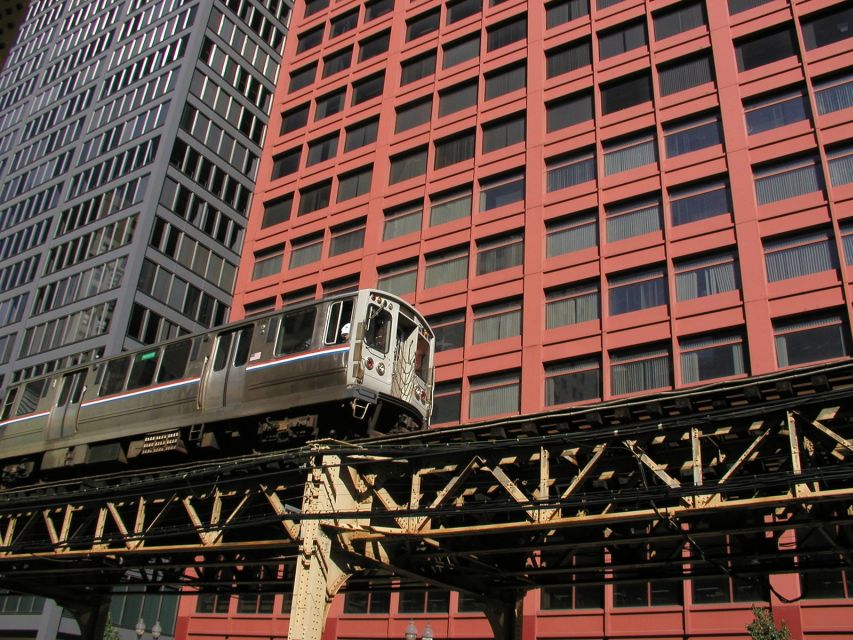
Your Ventra card covers the fare, so you get a real ride on Chicago’s rapid transit system without arranging payment separately. The ride is brief in the context of the two-hour tour, but it gives the subject a practical edge.
Many architecture tours keep you outside the transportation systems that shaped a city. Here, you board the train and experience the movement, height, and rhythm of the L for yourself. That helps explain why the system has had such an effect on downtown development.
You should not expect a private carriage or a quiet sightseeing train. This is public transit. The experience may include standing, normal train noise, and the need to move with the group. That is part of its appeal, but it also means the tour suits people who are comfortable with an active urban setting.
The guide’s commentary is especially useful during the ride because you can connect the view outside the window with the points discussed on foot. Instead of treating the L as a shortcut, the tour makes it a central piece of the story.
Architecture, architects, and the Loop story
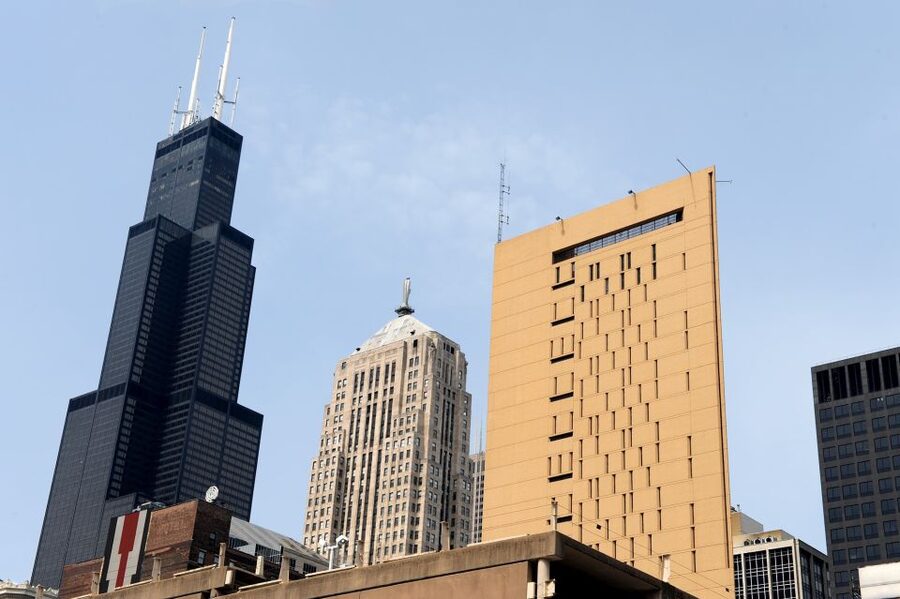
The strongest educational element is the link between individual buildings and the wider city. A guide can point out architecture, but the more useful question is why those buildings appeared where they did and how the transit network helped downtown grow.
The information available about Chris’s tour is encouraging for people who like to ask questions. One verified German-language review, translated in substance, praised the tour for information about architecture and architects and for competent answers. A separate five-star review praised the guide’s knowledge of historic architecture and stations.
That does not mean every tour will feel identical. Live tours depend on the guide, group pace, weather, and what is happening around the stations. Still, the format gives the guide room to respond to what you notice. If a particular façade, station feature, or architect interests you, ask about it while the group is stopped.
Do not expect a full survey of every major Chicago building in two hours. The route passes a large number of sights, but the time is shared between walking, station platforms, a train ride, and discussion. Think of it as a focused introduction to the Loop’s architecture and transit system, not a building-by-building catalog.
The Chicago Architecture Center galleries
Admission to the center’s galleries is included, adding value beyond the guided route. This is especially helpful if you want to continue the architectural theme after the tour ends.
The street and train portions show you Chicago at full scale. The galleries offer a more controlled setting where you can review ideas about the city’s buildings and design. Since the tour begins and ends at the center, you do not need to arrange a separate visit across town.
The galleries also give the experience a civic purpose. Ticket purchases support Chicago Architecture Center education work and community projects. If you like tours that connect sightseeing with local learning programs, this is a meaningful part of the price.
The supplied details do not specify how much gallery time is built into the two-hour schedule. Plan around the guided portion first, then ask at the center how best to visit the galleries within your day. This avoids assuming that the tour itself includes a long, guided gallery presentation.
Is $35 good value?
The advertised price is $35 for a group size of one. Because the wording describes the rate as per group up to one, check the final booking screen carefully to confirm how the total is calculated for your party.
The value is stronger than the walking time alone suggests. Your booking includes a certified guide, the fare for the L, a Ventra card for the ride, and admission to the Chicago Architecture Center galleries. You are paying for a guided architecture lesson, a transit experience, and access to an established local cultural center.
The small group limit also helps. A maximum of 10 participants is not the same as a huge public walk, and it gives the guide a better chance to answer questions. The tour is not the cheapest way to ride the L, but the train fare itself is only one part of what you receive.
For budget planning, remember that food and drinks are not included. You also need to reach the Chicago Architecture Center on your own because hotel pickup and drop-off are not provided.
Timing, clothing, and physical demands
The tour lasts two hours and operates rain or shine. Wear weather-appropriate clothing, and bring a face mask or protective covering as requested in the activity details.
The physical demands are worth taking seriously. You will walk outdoors, stand on station platforms, and use stairs. The tour is not ADA accessible, and it is not suitable for wheelchair users or people with mobility impairments.
Large bags, luggage, and strollers are not allowed, and no storage is available. If you are coming directly from a hotel or airport, arrange another place for your belongings before arriving.
The best clothing choice is practical rather than stylish: comfortable walking shoes and protection from the day’s weather. Platforms can feel exposed, and the tour does not move indoors whenever conditions change.
Who will enjoy this tour most?
I would choose this tour if you want more than a ground-level walk through famous buildings. It suits first-time Chicago visitors who want a clear introduction to the Loop, as well as repeat visitors looking for a different way to see familiar streets.
Architecture students, transit fans, and anyone interested in how cities work should find the format particularly useful. You get history, buildings, stations, and a live ride instead of a lecture removed from the city itself.
It also works well for curious families with older children who can manage stairs and outdoor standing. The small group makes it easier to ask questions, though the tour’s urban setting may be less comfortable for young children who need frequent breaks.
You should think twice if you need a fully accessible route, dislike public transit, or want a relaxed indoor architecture presentation. This is an active tour with weather exposure and station stairs.
Should you book the Chicago L architecture tour?
Book it if the idea of studying Chicago’s buildings from an L platform sounds more interesting than another sidewalk walk. The combination of above-street views, a real train ride, informed architectural commentary, and Architecture Center gallery admission gives the two hours a clear purpose.
The biggest strengths are the unusual viewpoint, the intimate group, and the chance to ask about architects and historic stations. The main limits are the physical demands, the rain-or-shine policy, and the fact that the tour cannot cover every building in depth.
Arrive early at the Chicago Architecture Center for your Ventra card, leave your luggage behind, and dress for the weather. If you can manage stairs and want to understand how Chicago’s transit system helped shape its downtown, this is a smart, focused addition to your itinerary.
FAQ
Where does the Chicago Elevated Architecture Walking Tour begin?
The tour begins at the Chicago Architecture Center. You should arrive before departure and present your ticket at the box office.
How long does the tour last?
The tour lasts two hours. Starting times vary, so check availability when booking.
Is the L train fare included?
Yes. The tour includes the fare for Chicago’s L transit system, and you receive a Ventra card at the Chicago Architecture Center.
Does the tour include Chicago Architecture Center admission?
Yes. Admission to the galleries of the Chicago Architecture Center is included.
What language is the tour offered in?
The tour is offered in English with a live guide.
How large is the group?
The group is limited to 10 participants.
Is the tour accessible for wheelchair users?
No. The tour is not ADA accessible and is not suitable for wheelchair users or people with mobility impairments. It includes outdoor walking, standing on station platforms, and stairs.
Does the tour run in bad weather?
Yes. The tour operates rain or shine. Bring weather-appropriate clothing.
Can I bring luggage, a stroller, food, or drinks?
No. Food, drinks, luggage, and large bags are not allowed, and storage is not available for luggage or strollers.
Just added in Chicago
- Chicago: Architecture and Engineering Marvels Walking Tour★ 5.0 · 3 reviews
- Private Downtown Chicago TV and Movie Sites Guided Walking Tour★ 4.5 · 3 reviews
- Black Heritage Tour★ 5.0 · 3 reviews
- Private SUV Transfer from Chicago Downtown to Midway airport★ 5.0 · 3 reviews
- Private Holiday City Tour★ 5.0 · 3 reviews
- BYOB Chicago River Guided History Tour★ 5.0 · 4 reviews
- Chicago 4-Hour Sightseeing Transfer by Luxury SUV★ 4.5 · 3 reviews
- Chicago, Cloud Gate, Grant Park Full-Day City Tour★ 4.0 · 4 reviews
Chicago Architecture Tours, compared.

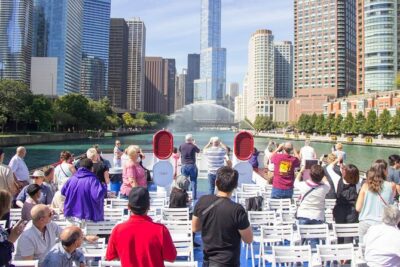
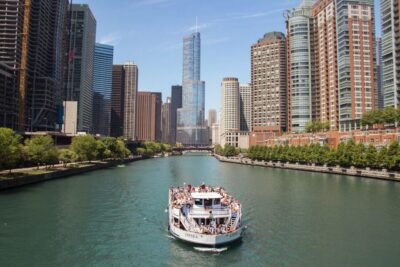
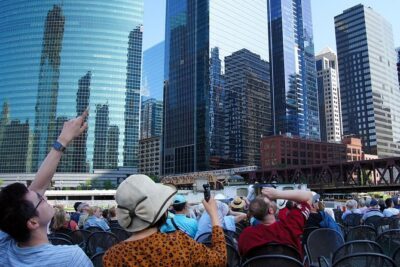
Chicago Architecture Center River Cruise aboard First Lady
Read our review →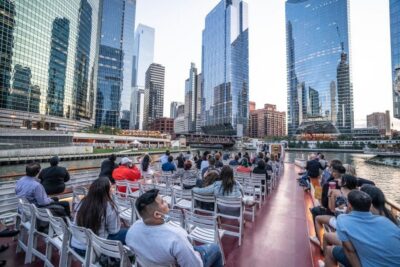
Architecture River Cruise Skip-the-Ticket Line
Read our review →
Chicago River 45-Minute Architecture Tour from Magnificent Mile
Read our review →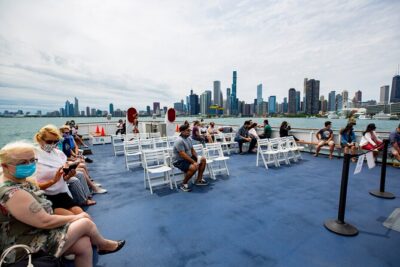

45-Minute Family-Friendly Architecture River Cruise
Read our review →Browse the lists this tour appears in