
Reviewed · CHICAGO ARCHITECTURE TOURS
Chicago: Evolution of the Skyscraper Walking Tour
Chicago’s skyscrapers make more sense when you see them as a timeline. This 90-minute walk links the city’s river beginnings, its rebuilding after the Great Chicago Fire, and its rise as a commercial and cultural center, using buildings such as the Page Brothers Building, Old Dearborn Bank, the Chicago Motor Club, the Carbide and Carbon Building, and NBC Tower as the story’s chapters.
I like the chronological route, which turns a collection of handsome facades into a clear lesson in changing technology and taste. I also like that guides are trained by the Chicago Architecture Center, and that the ticket includes the Center’s exhibits, including its detailed miniature of the Chicago Loop. The main drawback is practical: the tour goes rain or shine, with no weather refunds, and it cannot store luggage or strollers.
In This Review
- Key points
- Chicago’s skyline told in building order
- Starting at the Chicago Architecture Center
- Chicago’s river beginnings and the need to rebuild
- Page Brothers Building and the early commercial city
- Old Dearborn Bank and the power of appearance
- The Chicago Motor Club and changing technology
- Carbide and Carbon Building: style with a strong personality
- NBC Tower and the modern end of the timeline
- What the 90-minute format gives you
- Price, group value, and what is included
- Practical details before you set out
- Who will get the most from this walk
- Should you book the Evolution of the Skyscraper Walking Tour?
- FAQ
- How long is the Chicago Evolution of the Skyscraper Walking Tour?
- Where does the tour meet?
- What language is the tour in?
- Is admission to the Chicago Architecture Center included?
- Which buildings are included on the route?
- Does the tour run in bad weather?
- Can I bring luggage or a stroller?
- Are pets allowed?
- Can I cancel for a refund?
Key points
- A timeline you can walk: See architecturally important buildings in the order they were built.
- A river-to-skyscraper story: Follow Chicago’s growth from its river setting to a major commercial and cultural center.
- Engineering meets fashion: Learn how new construction methods allowed buildings to rise higher while design styles changed around them.
- A guide trained by the CAC: Guides such as Mitch bring the buildings together with stories about people and city development.
- More than a sidewalk tour: Your ticket also includes admission to the Chicago Architecture Center exhibits.
- A compact downtown introduction: The 90-minute format gives you a useful architectural foundation without taking up half a day.
Chicago’s skyline told in building order
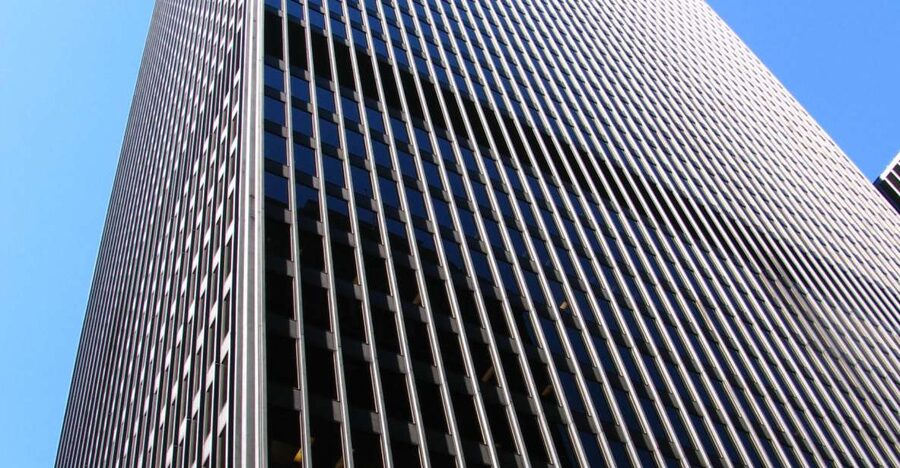
Many architecture walks give you a collection of famous buildings. This one gives you a sequence. That difference matters because Chicago’s downtown can otherwise feel like a thick stack of unrelated styles: stone banks, modern towers, ornate commercial buildings, and polished glass all competing for your attention.
Here, each stop helps explain the next. You begin with the city’s relationship to the Chicago River, then move into the period after the Great Chicago Fire, when Chicago had to rebuild and rethink how a growing city should work. From there, the route follows the city’s development into a center of business, culture, and high-rise construction.
I find this approach especially useful if you are new to architecture. You do not need to know the difference between every design movement before you arrive. The guide explains what changed, why it changed, and how those changes appear in the buildings around you.
The tour takes place around the river and Michigan Avenue, covering a modest but meaningful stretch of downtown. It is not designed to show every major building in Chicago. Instead, it gives you a carefully chosen set of examples and a way to read the rest of the city on your own.
More architecture tours in Chicago:
- Chicago Architecture River Cruise
★ 5.0 · 15,756 reviews - Chicago River 90-Minute Architecture Tour
★ 4.5 · 9,629 reviews - Chicago River: 1.5-Hour Guided Architecture Cruise
★ 4.8 · 8,046 reviews
Starting at the Chicago Architecture Center
The meeting point is inside the Chicago Architecture Center at 111 E. Wacker Drive. Arrive ready to begin indoors, then head out with your certified guide for the walking portion.
The Center itself adds value before or after the tour. Its exhibits include a miniature model of the Chicago Loop, which helps you see how the central business district fits together. A visit to the model can sharpen your sense of direction before you start looking upward at the real buildings.
The Center also has books and gifts, useful if your interest in architecture continues after the walk. Since admission to the new exhibits is included, you do not have to treat the indoor portion as a separate paid stop.
The tour’s ticket also supports Chicago Architecture Center education projects and community programs. That includes efforts such as Girls Build!, Teen Fellows, the Newhouse Architecture + Design Competition, and Open House Chicago. If you like activities that put part of your spending back into local education, this is a worthwhile detail.
Chicago’s river beginnings and the need to rebuild
The first part of the story focuses on the Chicago River and the city’s early growth around it. The river is not just scenery here. It helps explain why Chicago developed into an important place for trade, transport, and business.
From that starting point, the guide sets up the Great Chicago Fire and the rebuilding that followed. Chicago’s recovery created pressure to build again, but also encouraged architects and engineers to rethink materials, structure, and height.
This is one of the strongest parts of the tour because it gives the skyline a reason. You are not simply told that Chicago became a skyscraper city. You see how a city forced to rebuild became a place where new construction ideas could be tested.
The route puts those ideas in front of you rather than leaving them in a museum panel. As you walk, look for the ways older buildings use mass, ornament, and traditional forms, then compare them with later buildings that depend more openly on modern engineering.
Page Brothers Building and the early commercial city
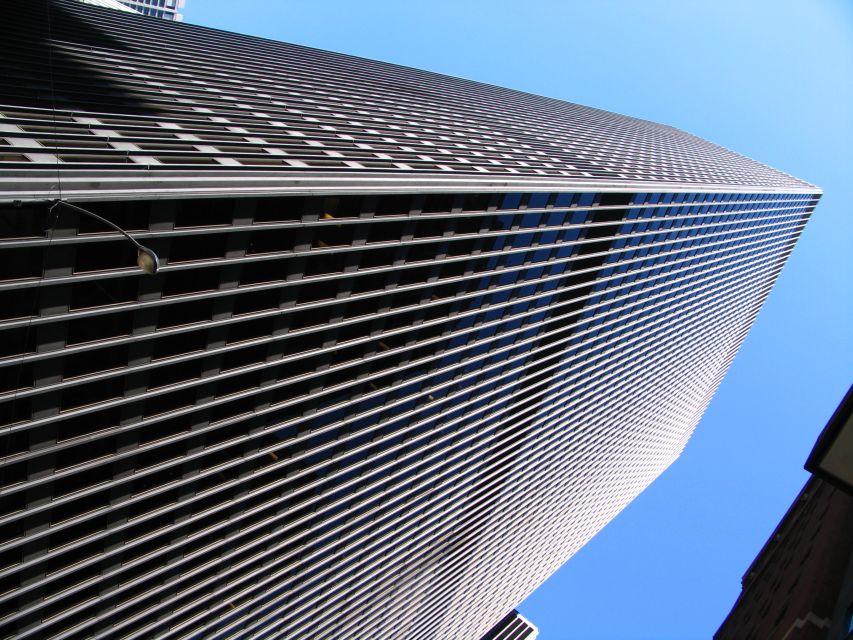
The Page Brothers Building is one of the named stops on the route. It represents an early stage in Chicago’s commercial development and helps establish the visual language of the city before later towers changed the scale of downtown.
Your guide uses buildings like this to show how architects answered the demands of a growing business center. A commercial building had to be practical, but it also had to look serious and fashionable to the companies and institutions using it.
That combination is a theme throughout the walk. Architecture is presented as a response to money, business, public image, available technology, and changing taste. You get more from the facade when you understand that it was designed for people with specific needs, not simply as decoration.
The Page Brothers Building is also useful as a comparison point. Once you see an earlier structure in context, later buildings with taller proportions or more dramatic materials become easier to understand.
More walking tours in Chicago:
- Chicago: Gangsters and Ghosts Walking Tour
★ 5.0 · 7,155 reviews - Chicago Favorites Ultimate Food and Walking Tour
★ 5.0 · 1,962 reviews - Chicago: Gangsters and Ghosts Guided Walking Tour
★ 4.7 · 1,697 reviews - Chicago in a Day: Food, History & Architecture Walking Tour
★ 5.0 · 1,153 reviews
Old Dearborn Bank and the power of appearance
Old Dearborn Bank adds another view of the commercial city. Bank buildings had a special job: they needed to project security, permanence, and authority. Their design choices could make a financial institution feel dependable before you ever walked through its doors.
This is where the guide connects architecture to people particularly well. A building reflects the concerns of the society that paid for it. A bank, a motor club, and a broadcasting headquarters each had different public images to communicate.
The stop also reinforces the tour’s central lesson about changing styles. Buildings do not evolve in a straight line from plain to fancy or from old to new. Different periods borrow from earlier traditions, adapt them, and mix them with new construction methods.
You will get more from this section if you pay attention to the details above street level. The walk is about close observation, not just checking off famous addresses. The guide helps point out design choices that can be easy to miss when you are hurrying through downtown.
The Chicago Motor Club and changing technology
The Chicago Motor Club represents a later period, when the city’s architecture responded to new forms of transportation and modern urban life. Its place in the sequence helps show how commercial buildings began to reflect newer industries and a faster-moving city.
This stop is a good example of why a chronological tour works. You can compare it with earlier banks and commercial buildings instead of seeing it in isolation. The question is not only how the building looks, but what its appearance says about the era that produced it.
The tour also asks you to notice engineering. Taller buildings required more than ambition. They needed structural solutions that could support height, manage weight, and make efficient use of valuable downtown space.
You will not get a full engineering course in 90 minutes, and that is a fair limit. What you do get is a clear introduction to the connection between construction technology and city growth. Afterward, you may find yourself looking at other towers and asking how they were built, not just what style they represent.
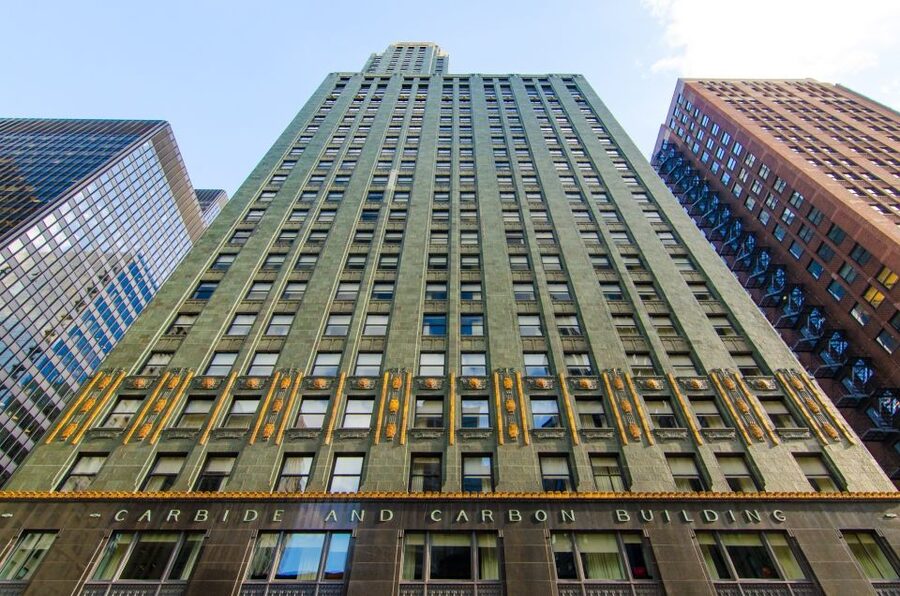
Carbide and Carbon Building: style with a strong personality
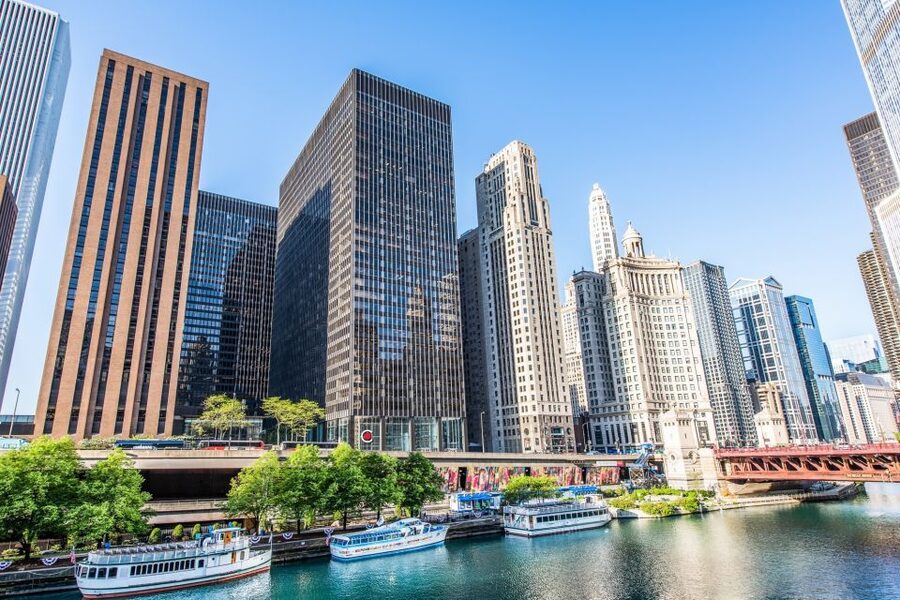
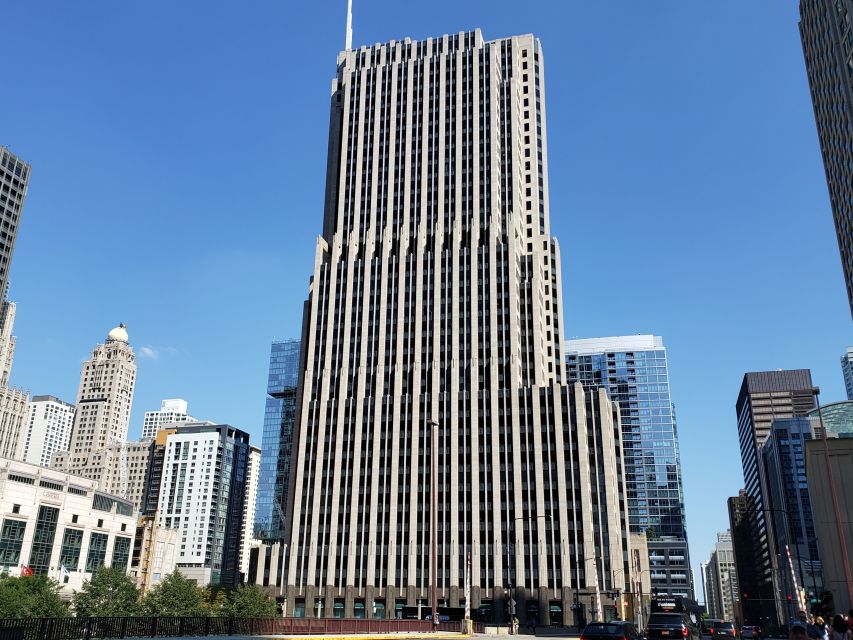
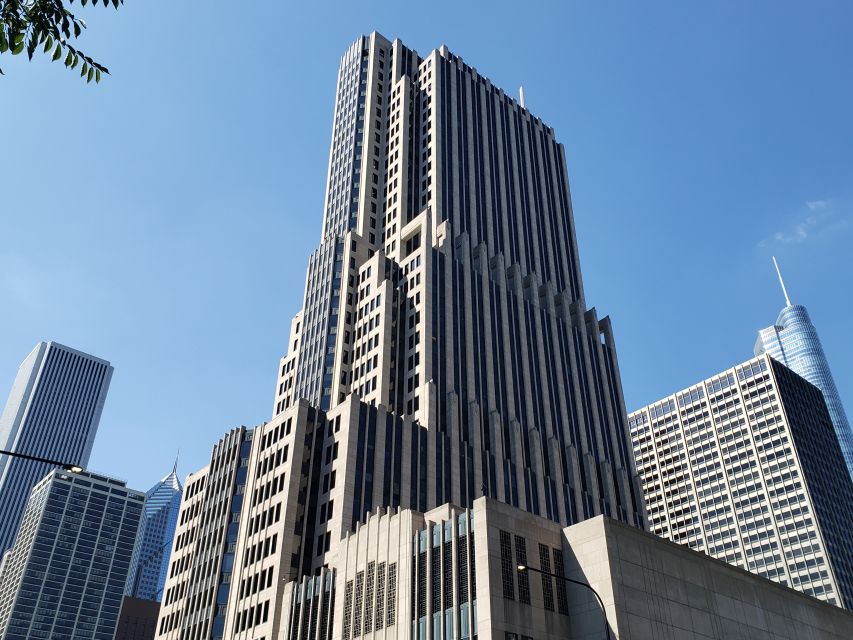
The Carbide and Carbon Building brings a different visual mood to the walk. Its distinctive design shows how a skyscraper could use bold materials and decoration to make a memorable public statement.
This is one of the places where the tour’s balance of style and technology pays off. You see that skyscraper design was never only about getting higher. Owners and architects also wanted buildings to signal luxury, confidence, modernity, or corporate identity.
The building helps demonstrate how architecture follows the fashions of its era. A structure can be practical and technologically advanced while still using elaborate visual details. Chicago’s downtown is full of these contrasts, and the walk gives you a way to compare them.
I would give yourself time to look carefully at this stop rather than snapping a quick photograph and moving on. Its design is particularly useful for understanding how a tower can function as both office space and a piece of city branding.
NBC Tower and the modern end of the timeline
NBC Tower brings the story closer to the present and shows how later architects continued to draw on earlier ideas. By this point in the walk, you have seen enough examples to understand that modern Chicago architecture does not abandon the past completely.
The tower’s place near the end of the route helps you measure the city’s changes. Earlier buildings had to establish a new type of vertical commercial city. Later buildings could respond to that established skyline, borrowing historic references or reshaping them for modern use.
This final stage also makes the tour feel like an introduction rather than a closed lesson. You finish with a better sense of how Chicago’s architecture keeps changing, even when new buildings refer back to older styles.
The named stops are not meant to be a complete catalog of downtown architecture. They are selected examples. Their value comes from the connections between them, from river development and rebuilding to corporate identity and modern construction.
What the 90-minute format gives you
Ninety minutes is long enough to build a solid overview and short enough to fit around other Chicago plans. You cover several blocks near the river and Michigan Avenue, so expect a genuine walking experience rather than a lecture held in one room.
The compact length is useful if you are visiting Chicago for a short stay or if you have already booked a river cruise and want a different view of the city. A boat shows you the skyline from the water. This walk lets you examine buildings at street level and ask questions as the guide explains them.
A past tour with guide Mitch covered an extended area around the river and Michigan Avenue and gave participants room to ask questions. That makes the live format more valuable than simply following a printed architecture map.
The tradeoff is that you will not linger at every building. If you already have a serious interest in one architect or period, you may want a longer specialist tour. For a first introduction, the pace should give you a useful range without turning the outing into an all-day commitment.
Price, group value, and what is included
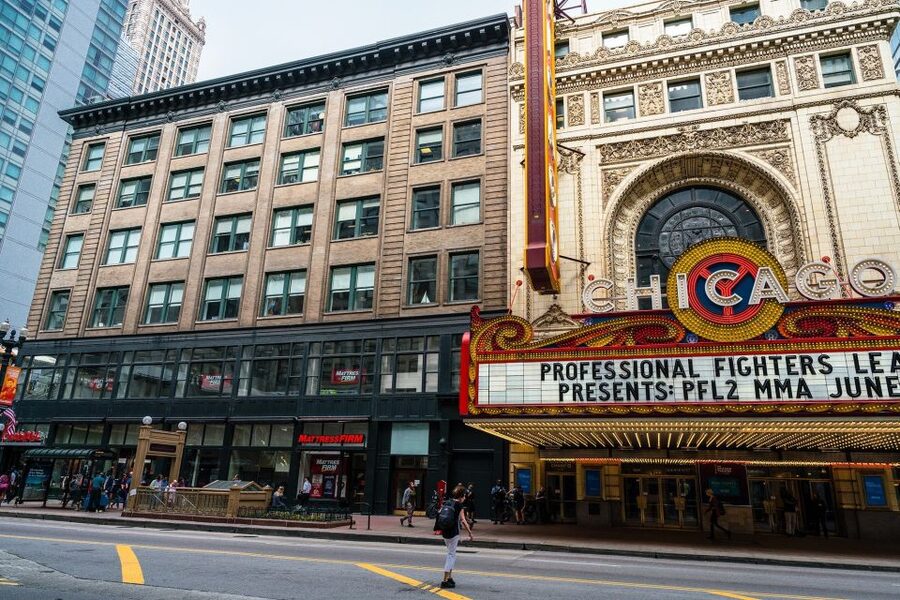
The listed price is $35 per group up to one person. Since the booking information defines the price this way, check the final reservation details carefully if you are booking for more than one participant.
The value is stronger than the sidewalk time alone suggests because admission to the Chicago Architecture Center exhibits is included. You receive the live, 90-minute guided walk plus an indoor introduction to the Loop and access to the Center’s books and gifts.
You are also paying for a certified guide trained by the Chicago Architecture Center, the city’s leading authority on architecture. That training matters on a tour built around connections. The guide needs to explain not just what a building is called, but why it belongs at that point in Chicago’s story.
The ticket supports local education and community work through the Center. For me, that makes the cost easier to justify than a basic sightseeing walk with no wider local benefit.
Practical details before you set out
The tour is in English and includes a live guide. Wear comfortable shoes and dress for conditions that may change during the walk. Most importantly, plan to go even if rain is forecast, since tours depart rain or shine and weather-related refunds are not available.
Do not bring luggage or large bags. Secure storage for luggage and strollers is not provided, and there is no coat check. Pets are not allowed, although service animals are welcome.
The supplied information asks participants to bring a face mask or protective covering. Policies can change, so check the current instructions when booking, but you should be prepared to carry one.
Free cancellation is available up to 24 hours before the tour for a full refund. You can also reserve now and pay later, which helps if you are still arranging your Chicago schedule.
Who will get the most from this walk
I would choose this tour if you want a clear first look at Chicago architecture rather than a narrow study of one building or architect. It suits curious first-time visitors, people who enjoy city history, and anyone who wants to understand why the skyline looks the way it does.
It is also a good companion to a river cruise. The cruise gives you broad views and a memorable sense of the river corridor. This walk adds street-level detail, a chronological structure, and the chance to ask questions.
Families and groups should consider the walking distance, the 90-minute duration, and the lack of stroller storage. The tour is not a good choice if you need to carry large bags or want an outing protected from bad weather.
Architecture fans may find the overview too brief for specialist interests, but even experienced visitors can use the route as a refresher. The strongest praise for this experience centers on its informative historic narrative, the link between architecture and people, and the chance to ask questions. Those are exactly the features that make it more than a photo walk.
Should you book the Evolution of the Skyscraper Walking Tour?
Book it if you want Chicago’s buildings explained as a connected story. The route turns downtown into a readable timeline, and the Chicago Architecture Center exhibits give you a useful indoor follow-up.
Skip it if you need luggage storage, cannot walk in rain, or want a long, highly specialized architecture study. For most visitors, though, the 90-minute length, included Center admission, trained guide, and strong focus on Chicago’s rebuilding and technological progress make this a smart introduction to the city’s built character.
FAQ
How long is the Chicago Evolution of the Skyscraper Walking Tour?
The walking tour lasts 90 minutes.
Where does the tour meet?
Meet inside the Chicago Architecture Center at 111 E. Wacker Drive, Chicago, Illinois 60601.
What language is the tour in?
The live tour guide conducts the experience in English.
Is admission to the Chicago Architecture Center included?
Yes. Admission to the Center’s new exhibits is included with the tour.
Which buildings are included on the route?
Named buildings include the Page Brothers Building, Old Dearborn Bank, the Chicago Motor Club, the Carbide and Carbon Building, and NBC Tower. The walk also covers Chicago’s development around the river, Michigan Avenue, and downtown.
Does the tour run in bad weather?
Yes. Tours depart rain or shine, and weather-related refunds are not available.
Can I bring luggage or a stroller?
No. The Center cannot provide secure storage for luggage or strollers, so do not arrive with items you need to store.
Are pets allowed?
Pets are not allowed. Service animals are welcome.
Can I cancel for a refund?
You can cancel up to 24 hours in advance for a full refund. Reserve now and pay later is also available.
Just added in Chicago
- Chicago: Architecture and Engineering Marvels Walking Tour★ 5.0 · 3 reviews
- Private Downtown Chicago TV and Movie Sites Guided Walking Tour★ 4.5 · 3 reviews
- Black Heritage Tour★ 5.0 · 3 reviews
- Private SUV Transfer from Chicago Downtown to Midway airport★ 5.0 · 3 reviews
- Private Holiday City Tour★ 5.0 · 3 reviews
- BYOB Chicago River Guided History Tour★ 5.0 · 4 reviews
- Chicago 4-Hour Sightseeing Transfer by Luxury SUV★ 4.5 · 3 reviews
- Explore Black History on the Southside of Chicago★ 4.0 · 4 reviews
Chicago Architecture Tours, compared.
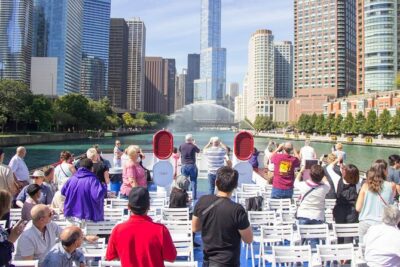
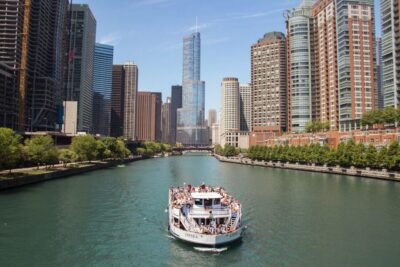
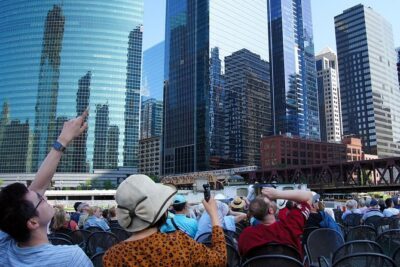
Chicago Architecture Center River Cruise aboard First Lady
Read our review →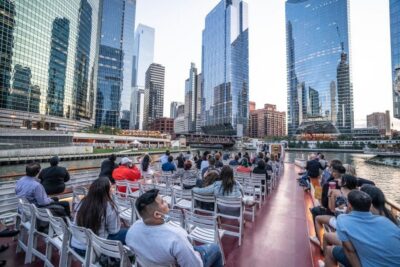
Architecture River Cruise Skip-the-Ticket Line
Read our review →
Chicago River 45-Minute Architecture Tour from Magnificent Mile
Read our review →
45-Minute Family-Friendly Architecture River Cruise
Read our review →Browse the lists this tour appears in