
Reviewed · CHICAGO ARCHITECTURE TOURS
Chicago: Icons Guided Architecture Walking Tour
Chicago’s architectural story comes into focus when you compare old and new buildings side by side. This 90-minute walk makes that connection clear, moving from 1890s Commercial design through Beaux-Arts, Mid-Century Modern, Postmodern work, and newer buildings by Frank Gehry, Renzo Piano, and Adrian Smith.
I like the seven-stop format because it gives you enough variety without turning into an all-day march. I also like the guides’ personal approach: Teresa was praised for her pacing and answers, while Ron used a notebook packed with useful facts. The main drawback is simple: you are outside in all weather, and there is no place to store luggage or strollers.
In This Review
- Key points at a glance
- Starting at 111 East Wacker Drive
- Seven stops that turn downtown into a design lesson
- Stop one: the 19th-Century Commercial style
- Stop two: Beaux-Arts detail and formal presentation
- Stop three: Comparing old facades with newer towers
- Stop four: Mid-Century Modern simplicity
- Stop five: Postmodern play with earlier ideas
- Stop six: Frank Gehry and expressive modern form
- Stop seven: Renzo Piano, Adrian Smith, and the road to Millennium Park
- What the guides add to the experience
- Is $35 good value?
- Practical matters before you book
- Who should book this Chicago walk?
- FAQ
- How long does the architecture walking tour last?
- Where does the tour meet?
- What language is the tour offered in?
- Is the tour wheelchair accessible?
- Does the tour run in bad weather?
- Can I cancel for a refund?
- Should you book it?
Key points at a glance
- Seven downtown stops: Compare buildings from the 1890s to the present in one compact walk.
- Several major design periods: See 19th-Century Commercial, Beaux-Arts, Mid-Century Modern, and Postmodern styles.
- Modern names in the mix: Learn about work connected with Frank Gehry, Renzo Piano, and Adrian Smith.
- Millennium Park finale: End where public art, architecture, and city space meet.
- Strong guide-led format: Guides such as Teresa and Ron add context, answer questions, and bring extra notes.
- Useful nonprofit connection: Your ticket supports Chicago Architecture Center education and community programs.
Starting at 111 East Wacker Drive
Your walk begins at the Chicago Architecture Center, at 111 E Wacker Drive. Have your mobile or printed ticket ready when you arrive, then expect the guide to lead you into downtown on foot.
The meeting point matters because the center is more than a place to check in. Admission to its galleries is included, giving you a chance to look at Chicago’s architecture through exhibits as well as through the city streets. If your schedule allows, arrive with enough time to see the galleries before or after the walk.
The tour is in English and lasts 90 minutes. That is a useful length for a first look at downtown design. You get a focused outing without giving up half your day, and you can still fit it around Millennium Park, the riverfront, museums, or an evening meal.
The exact starting times vary, so check availability for your date. The walk takes place rain or shine. Bring a coat, hat, or rain layer when the forecast calls for it, since much of the value comes from looking up at facades and comparing buildings from the sidewalk.
More architecture tours in Chicago:
- Chicago Architecture River Cruise
★ 5.0 · 15,756 reviews - Chicago River 90-Minute Architecture Tour
★ 4.5 · 9,629 reviews - Chicago River: 1.5-Hour Guided Architecture Cruise
★ 4.8 · 8,046 reviews
Seven stops that turn downtown into a design lesson
The best part of this experience is not simply passing famous buildings. It is the comparison. At each of seven downtown stops, the guide explains what you are looking at and how the building connects to a wider change in Chicago design.
You begin with buildings dating from the 1890s and move toward the present. That span lets you see how commercial needs, materials, decoration, technology, and ideas about city life changed over time. You are not asked to memorize a list of architects. Instead, you get a framework for reading the city around you.
The guide’s role is important here. A building can look impressive from the sidewalk, but a good explanation tells you why it looks that way, what period it belongs to, and what later designers kept or rejected. Ron was praised for his historical detail and for using a notebook filled with extra facts. Teresa earned high marks for pacing, context, and handling questions.
Those details suggest the walk works well for curious beginners, but it also has something for people who already know Chicago. One attendee who had lived in the city for more than 40 years still found the architectural meaning and context worthwhile. That is a useful sign for local residents who want to see familiar streets with fresh eyes.
Stop one: the 19th-Century Commercial style
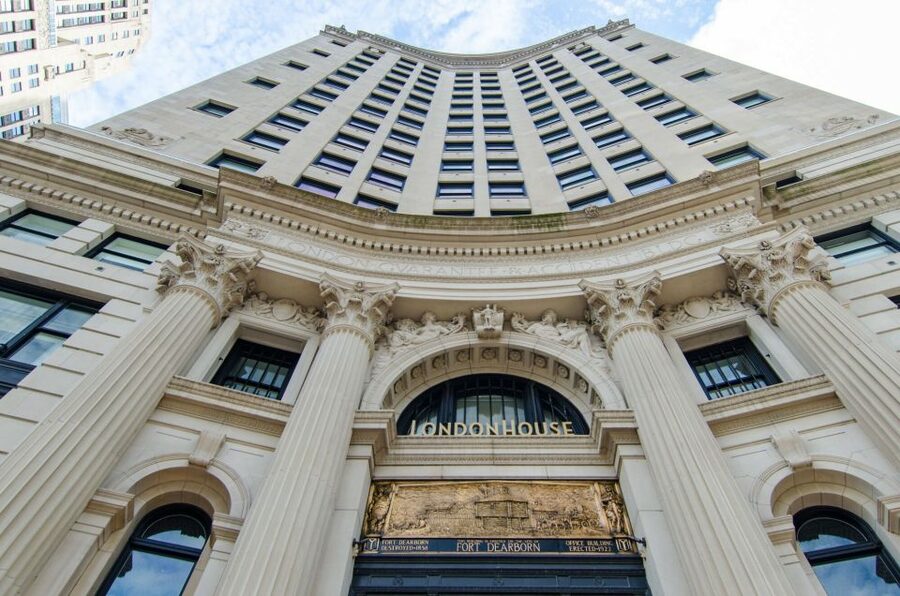
The 19th-Century Commercial style gives the tour its early foundation. These buildings represent the period when Chicago’s downtown began taking on the form of a modern business center.
At this stop, pay attention to the building’s overall organization rather than trying to identify every decorative feature. The guide helps you see how the design balances practical commercial use with a strong public face. It is an effective starting point because later styles make more sense once you understand what earlier buildings were trying to do.
The stop also gives you a way to think about the past and present together. Chicago’s newer additions did not appear in an empty field. They joined streets already shaped by older commercial architecture, and the contrast between those eras is part of the city’s character.
Stop two: Beaux-Arts detail and formal presentation
The Beaux-Arts stop shifts the mood. Compared with the practical commercial style, Beaux-Arts buildings often make a more formal architectural statement. Your guide points out the visual choices that give this period its weight and ceremony.
This is where the tour’s promise to connect the past and present becomes useful. You can compare how one generation expressed importance through ornament, proportion, and carefully arranged details, then consider how later designers took a different route.
The drawback is that architecture can be hard to read if you are moving too quickly. Fortunately, the walk is designed around a small number of stops rather than a long list of sites. Pay attention to the guide’s explanation, and do not worry about capturing every angle in a photograph.
More walking tours in Chicago:
- Chicago: Gangsters and Ghosts Walking Tour
★ 5.0 · 7,155 reviews - Chicago Favorites Ultimate Food and Walking Tour
★ 5.0 · 1,962 reviews - Chicago: Gangsters and Ghosts Guided Walking Tour
★ 4.7 · 1,697 reviews - Chicago in a Day: Food, History & Architecture Walking Tour
★ 5.0 · 1,153 reviews
Stop three: Comparing old facades with newer towers
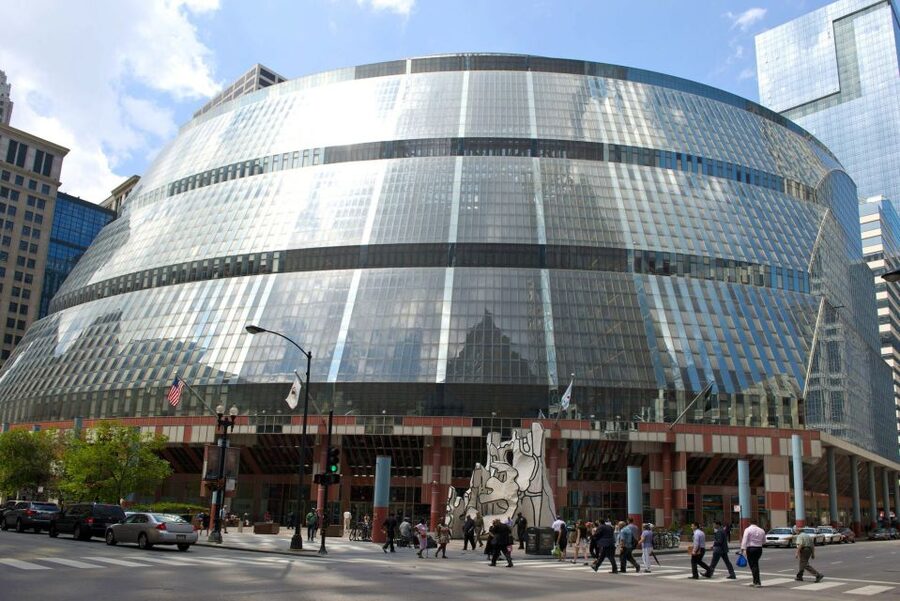
A middle section of the walk brings older structures into direct conversation with newer skyline additions. This comparison is one of the tour’s strongest features because you can see the contrast without relying on a textbook image.
Look at the relationship between the older street wall and the newer building above or behind it. Notice differences in scale, surface, shape, and visual rhythm. Your guide explains what inspires design today, helping you understand that modern architecture is not only about unusual forms. It also has to respond to the buildings, streets, and public spaces already in place.
This stop is especially helpful if you tend to label buildings simply as old or new. The tour gives you more useful language and context. You begin to see how design choices reflect changing ideas about work, movement, public life, and the image a city wants to present.
Stop four: Mid-Century Modern simplicity
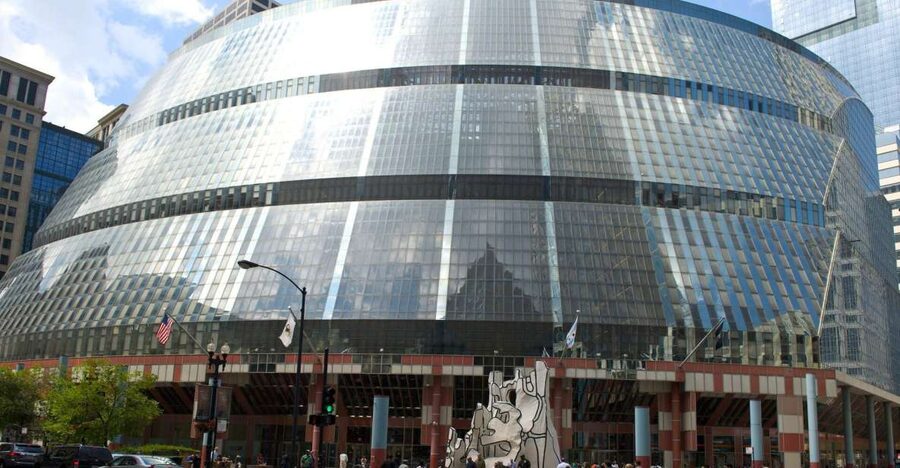
Mid-Century Modern design brings another clear change. Here the guide introduces a period known for a more restrained approach than the decorative styles that came before it.
The value of this stop is the contrast. After looking at older facades, you can see how a building may create interest through clean lines, materials, spacing, and structure rather than heavy ornament. The guide’s facts and stories help prevent the style from becoming a vague label.
If you already have a favorite architectural period, this comparison lets you decide what you respond to and why. If you are new to architecture, it gives you a simple way to sort what you see on the rest of your Chicago visit.
Stop five: Postmodern play with earlier ideas
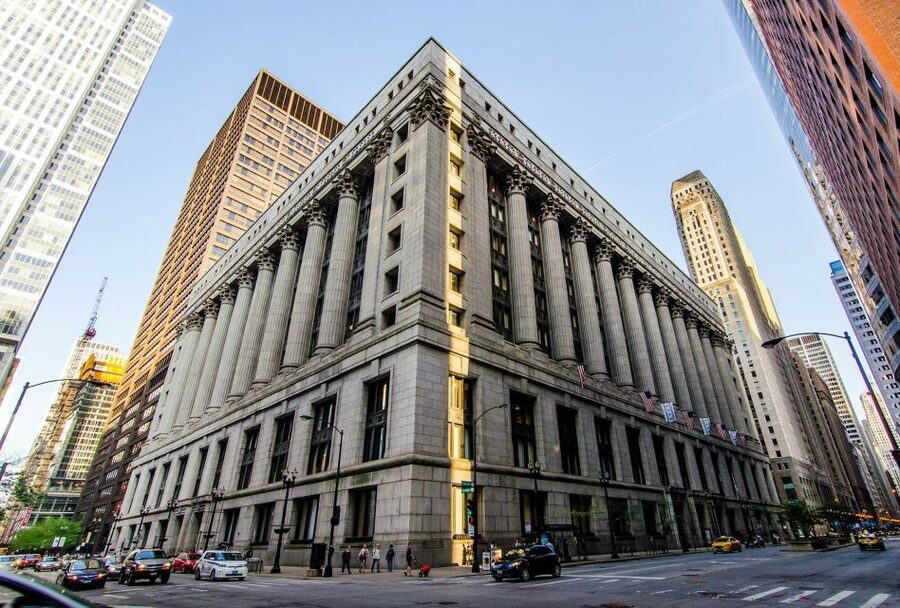
The Postmodern stop shows what happens when architects begin to question the strict rules of modern design. The guide explains how later work can borrow, reshape, or play with earlier architectural references.
That makes this stop more than another date on a timeline. You see how design develops through argument and response. One period favors ornament, another strips it away, and a later one may bring selected historical ideas back into the conversation.
This kind of explanation is where a live guide earns the ticket price. You can look at a building on your own, but it is harder to understand why its choices matter without someone pointing out the links between periods.
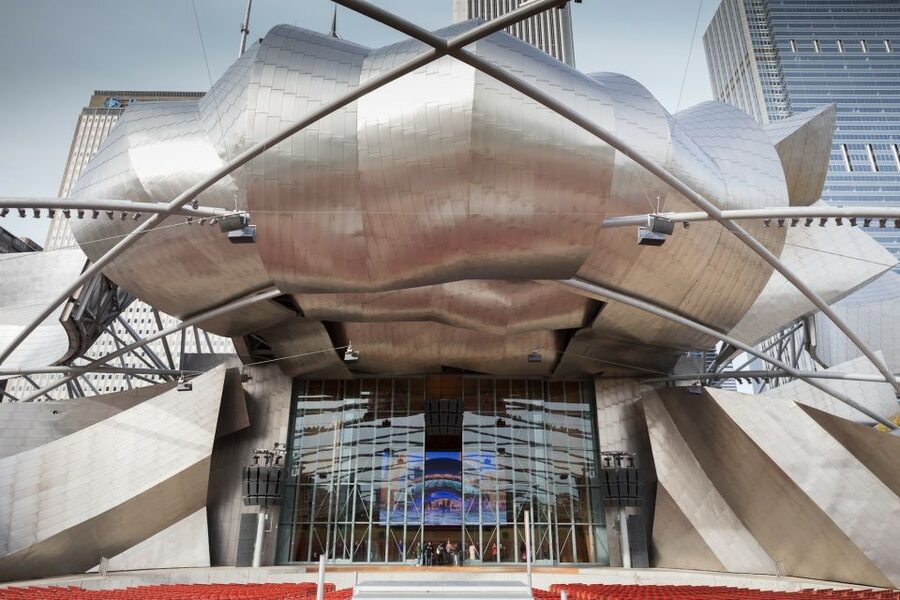
Stop six: Frank Gehry and expressive modern form
The tour also brings you to newer architecture associated with Frank Gehry. The supplied details do not identify the exact building or provide a full technical description, so expect the guide to supply the site-specific explanation on the day.
What you can count on is a chance to consider how contemporary architecture seeks attention in a crowded downtown. Gehry’s name signals a move toward more expressive form, and the guide places that work within the broader story rather than treating it as an isolated spectacle.
This is a good point to ask questions. The guides are expected to share facts and stories about each building, and the strongest experiences here seem to come from the give-and-take between guide and group. Teresa was specifically appreciated for answering questions, so do not hesitate to ask when a design choice puzzles you.
Stop seven: Renzo Piano, Adrian Smith, and the road to Millennium Park
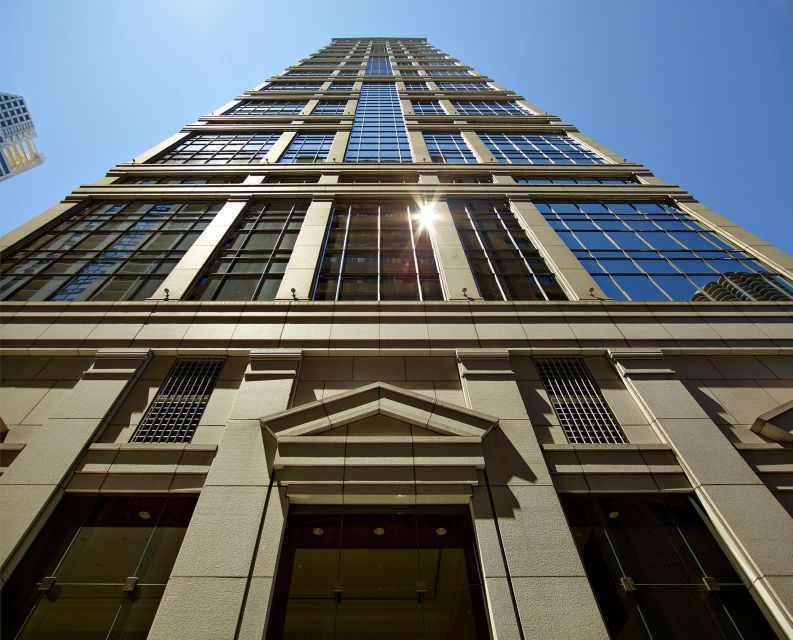
The final downtown portion includes more recent work associated with Renzo Piano and Adrian Smith. Again, the tour information does not name every building, so the guide’s explanation will provide the precise connection at each stop.
Together, these modern examples show that Chicago’s architectural story did not end with its celebrated older buildings. New design continues to shape the city, and each addition must find a place among established streets and towers.
The walk finishes at Millennium Park, an apt ending because the park combines public art and architecture in one urban setting. You get a chance to consider the whole sequence: commercial buildings from the 1890s, formal Beaux-Arts work, Mid-Century Modern restraint, Postmodern references, and present-day design.
Millennium Park also gives the tour a more human finish. Architecture is not only about offices and skylines. It is also about how people gather, move through, and experience public space.
What the guides add to the experience
A walking architecture tour rises or falls on the guide. Here, the guide is not just there to point at buildings. The job is to explain connections, answer questions, and help you notice things you would likely pass without a second look.
Teresa received especially strong praise for her pacing and her ability to provide context. That matters on a city walk. Too much information becomes tiring, while too little leaves you with names but no understanding. A steady pace also gives you time to look up, take pictures, and keep track of the group.
Ron was praised for historical detail and for using a notebook with additional facts. That suggests a prepared presentation with plenty of small details to add flavor. The Spanish-language feedback also described the explanations as very interesting, though the tour itself is offered in English.
The guide will shape the tone, but the format gives the experience a solid base. Seven stops leave room for explanation without making the walk feel like a race from one address to the next.
Is $35 good value?
The stated price is $35 per group up to one person. Since booking prices and group details can vary by date or platform, check the final reservation screen carefully before paying.
The value is strongest if you want interpretation rather than a self-guided route. You are paying for a certified professional guide, a structured 90-minute walk, access to the Chicago Architecture Center galleries, and the chance to ask questions as you go.
There is also a public benefit. Chicago Architecture Center ticket income supports education programs and community projects, including Girls Build!, Teen Fellows, the Newhouse Architecture + Design Competition, and Open House Chicago. That does not replace the need for a good tour, but it adds weight to the purchase for anyone who likes supporting local cultural work.
I would consider it good value for a first Chicago visit, architecture fan, or local who wants a sharper understanding of downtown. It is less useful if you prefer to wander alone, avoid scheduled activities, or have difficulty spending 90 minutes outdoors.
Practical matters before you book
This is a rain-or-shine walking tour, so dress for the day rather than for the best-case forecast. Comfortable shoes matter more than fashionable ones, and a small rain layer can save the outing if the weather turns.
The walk is wheelchair accessible. Pets are not allowed, except for assistance dogs. There is no storage for luggage or strollers, so plan to arrive without bulky items.
Hotel pickup and drop-off are not included. Food and drinks are not included either, though the compact duration makes it easy to plan a meal before or after the walk.
You can cancel up to 24 hours ahead for a full refund, and the reserve-now, pay-later option keeps you from paying at once. One reservation problem did occur in the past, and staff at the center worked to arrange a new date. That outcome was helpful, but a missed tour can still disrupt a short Chicago visit, so confirm your reservation and start time before setting out.
Who should book this Chicago walk?
I would recommend it to anyone who wants a clear introduction to Chicago architecture without committing to a longer cruise or a full-day program. The 90-minute length suits a busy itinerary, and the seven stops provide enough range to show why Chicago is such a useful place to study design.
It is also a good choice for repeat visitors and local residents. The experience is not limited to famous names. Its real purpose is to explain how buildings from different periods relate to one another, and that kind of context can refresh streets you already know.
Families may appreciate the short format, though the lack of stroller storage is worth planning around. It also suits wheelchair users because the activity is listed as wheelchair accessible.
FAQ
How long does the architecture walking tour last?
The tour lasts 90 minutes.
Where does the tour meet?
It meets at the Chicago Architecture Center, 111 E Wacker Drive, Chicago, Illinois 60601.
What language is the tour offered in?
The live guided tour is offered in English.
Is the tour wheelchair accessible?
Yes, the activity is listed as wheelchair accessible.
Does the tour run in bad weather?
Yes. The walk takes place rain or shine.
Can I cancel for a refund?
Yes. You can cancel up to 24 hours in advance for a full refund.
Should you book it?
Book this tour if you want context, comparisons, and a compact schedule. The route covers seven downtown stops, several major architectural styles, and modern work associated with Gehry, Piano, and Smith before finishing at Millennium Park.
Skip it if you need luggage or stroller storage, dislike outdoor walks in uncertain weather, or want a tour in a language other than English. For everyone else, the combination of strong guide-led explanation, included gallery admission, and support for Chicago Architecture Center programs makes this a practical first step into the city’s built story.
Just added in Chicago
- Chicago: Architecture and Engineering Marvels Walking Tour★ 5.0 · 3 reviews
- Private Downtown Chicago TV and Movie Sites Guided Walking Tour★ 4.5 · 3 reviews
- Black Heritage Tour★ 5.0 · 3 reviews
- Private SUV Transfer from Chicago Downtown to Midway airport★ 5.0 · 3 reviews
- Private Holiday City Tour★ 5.0 · 3 reviews
- BYOB Chicago River Guided History Tour★ 5.0 · 4 reviews
- Chicago 4-Hour Sightseeing Transfer by Luxury SUV★ 4.5 · 3 reviews
- Chicago, Cloud Gate, Grant Park Full-Day City Tour★ 4.0 · 4 reviews
Chicago Architecture Tours, compared.
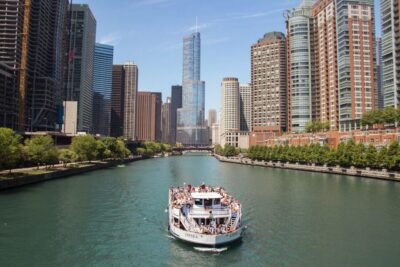
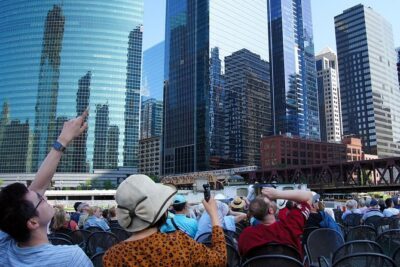
Chicago Architecture Center River Cruise aboard First Lady
Read our review →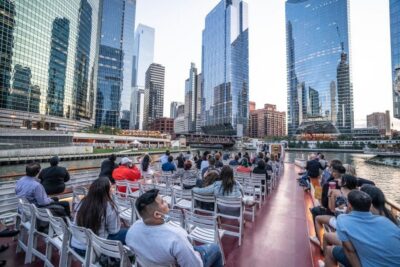
Architecture River Cruise Skip-the-Ticket Line
Read our review →
Chicago River 45-Minute Architecture Tour from Magnificent Mile
Read our review →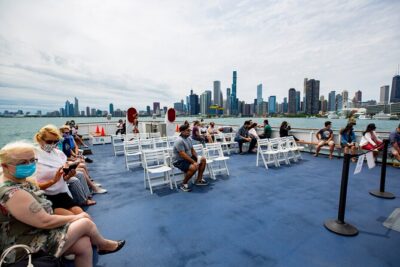
45-Minute Family-Friendly Architecture River Cruise
Read our review →Browse the lists this tour appears in