
Reviewed · CHICAGO IMMERSIVE & INDOOR ATTRACTIONS
Chicago Lincoln Park Indoor Skydiving with Two Flights
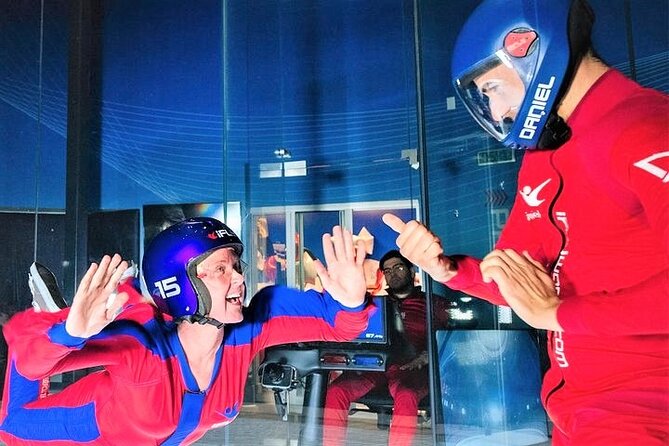
A 1,400-horsepower wind tunnel sends air up through a glass flight chamber, lifting you as if you were in freefall. You do not leap from anything, and there is no stomach-dropping sensation. You simply lean into the airflow and learn, one adjustment at a time, how to stay afloat.
I like the one-on-one coaching and the fact that your instructor enters the chamber with you. I also like the certificate at the end, which records what you managed to do, such as flying without help or making basic turns. The main drawback is value: at $136.25 per person, two 60-second flights can feel brief if you expect a full-length adrenaline ride.
In This Review
- Key points before you book
- What the Chicago Lincoln Park session actually feels like
- Step 1: Check in at 800 West Scott Street
- Step 2: Training, suits, and safety signals
- Step 3: Your first 60-second flight
- Step 4: Your second flight and possible high flight
- The certificate and what it means
- How much value do two flights offer at $136.25?
- Who will enjoy this most?
- Health, weight, and participation limits
- Practical tips for a smoother visit
- Should you book the Lincoln Park indoor flight?
- FAQ
- How does the Chicago Lincoln Park indoor flight experience work?
- How long is each flight?
- How early should I arrive?
- Do I fly alone or with a group?
- What is the minimum age?
- Are there health or weight restrictions?
- What should I wear?
- Can I wear glasses?
Key points before you book
- Two 60-second flights: You get a short first flight to find your balance, then a second chance to improve.
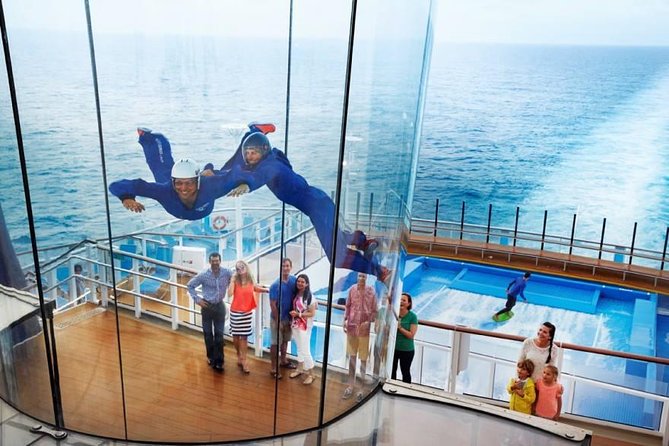
- A 1,400-horsepower air column: The tunnel can push air up to 180 miles per hour, creating a smooth flying surface.
- Instructors work inside the chamber: Your coach can physically guide your body while another staff member gives directions from outside.
- Suitable for children from age 3: There is no upper age limit, but health, injury, pregnancy, and weight restrictions apply.
- High-flight upgrades may be available: Several participants found the higher flight especially enjoyable, but ask the staff what your package includes.
- Plan to arrive early: Check in 10 to 15 minutes before your scheduled start, and allow about 1 hour 15 minutes for the booked activity.
What the Chicago Lincoln Park session actually feels like
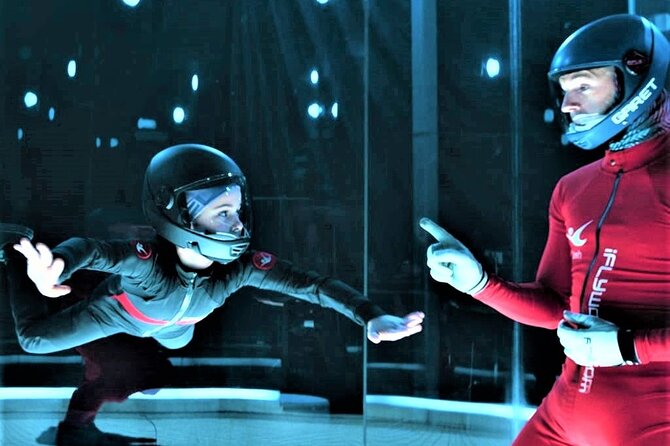
Indoor flight is closer to learning a new body position than riding a fast amusement attraction. You lie forward on the moving air, keep your arms and legs in the position taught during training, and make small adjustments to rise, lower, turn, or stay centered.
The tunnel uses fans above the chamber to pull air upward and send it back down the sides. That air is compressed and returned through the center, creating a steady vertical column. The advertised maximum speed is 180 miles per hour, or 290 kilometers per hour, though the operator adjusts the airflow to your size, position, and ability.
This matters because the speed sounds dramatic, but the sensation is not the same as jumping from an aircraft. You will not feel a long fall, a sudden drop, or the height sensation of a fairground ride. The air is loud and forceful, but the movement itself can feel controlled once you relax your shoulders and follow the instructor’s signals.
You may breathe normally through your nose or mouth. The sensation is compared with putting your head out of a moving car, so the wind hits your face but does not make breathing difficult.
More indoor attractions for a wet day:
- Flyover in Chicago
★ 5.0 · 486 reviews - Flyover in Chicago: An Immersive Flying Theatre Experience
★ 4.8 · 362 reviews - Chicago-Rosemont Indoor Skydiving with Two Flights
★ 4.5 · 31 reviews
Step 1: Check in at 800 West Scott Street
Your session begins at iFLY Chicago Lincoln Park, 800 W Scott St, Chicago, Illinois 60610. The activity returns to this same location, so there is no separate transport or second meeting point to manage.
Arrive 10 to 15 minutes early. This is not a suggestion to treat casually. A late arrival can cause trouble, as the session starts on schedule and the group moves through training together. One family arrived 15 minutes late because of traffic and could not fly that evening, which is especially painful when Chicago is only one stop on a longer trip.
Your mobile ticket is accepted, and confirmation is provided when you book. Since this activity is often reserved about 19 days ahead, I would not leave it until the last day of a busy Chicago visit. Build in traffic time, especially if you are coming from another part of the city.
Step 2: Training, suits, and safety signals
After check-in, you meet the instructor, collect your flight suit, and attend a safety briefing. First-time flyers must take this class. You learn the basic flying position, how to respond to the instructor, and how to make simple body adjustments before entering the chamber.
Wear comfortable clothes under the suit. Pants and a shirt without a collar work best. Use well-fitting lace-up sneakers or running shoes, and tie long hair into a braid and low bun. Remove watches, rings, necklaces, bracelets, earrings, loose hair accessories, and anything else that could come loose. Empty your pockets. Lockers are available, but leaving valuable items at home is simpler.
Your instructor is trained to hold the handles on the flight suit if you need help. That is one reason the suit is part of the safety system, not just a costume for photographs.
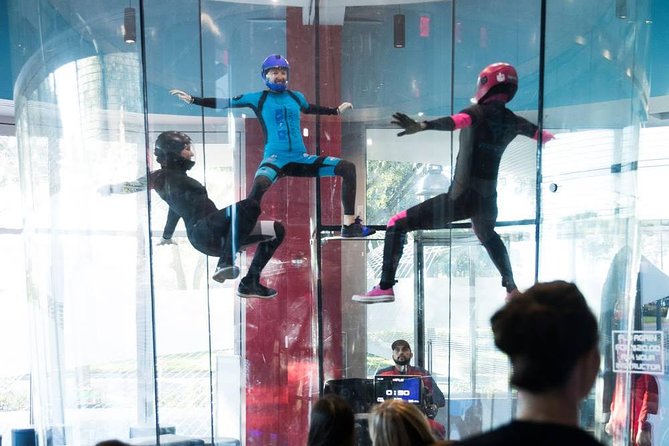
The group can contain up to 12 people. You do not all fly together. Instead, each person enters the chamber one at a time with an instructor, while the rest of the group watches from the observation area. Friends and family may come along to watch without participating.
The staff’s teaching style is a major part of the experience. Names praised by customers include Vinnie, Joe, Tommy, Hannah, JJ, Mark, Jocelyn, and David. The specific team on your date may be different, but the format remains the same: one instructor works with you in the air while staff outside the chamber offer visual and verbal guidance.
Step 3: Your first 60-second flight
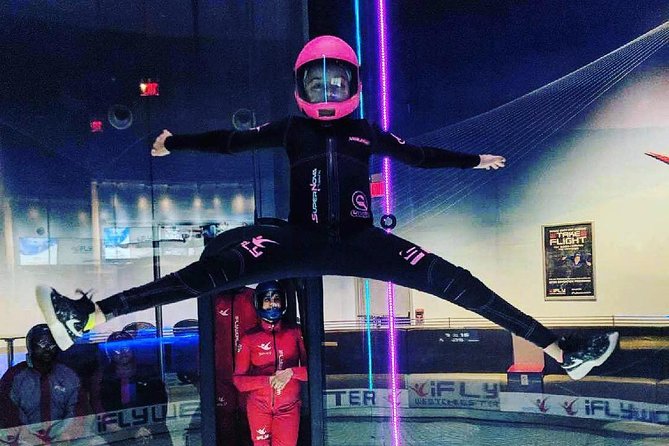
The first flight is about getting comfortable. You enter the chamber, usually with the instructor controlling your position and helping you find the center of the air column. Your arms, legs, head, and hips all affect how the air carries you.
The first few seconds can feel awkward. You may roll to one side, drift toward a wall, or tense your body. That is normal. The instructor can steady you and show you how a small change in posture affects your height and direction.
The air speed is increased gradually, rather than switched on at full force. This lets the operator match the airflow to your needs. You are not expected to arrive athletic or brave. The training and close coaching are designed for first-time participants.
The chamber time is only 60 seconds, but it can feel active because your attention stays on breathing, body position, and hand signals. If you are nervous, the first flight gives you a clear task: stay calm and learn the basic position. If you are naturally coordinated, you may begin working on small turns or flying without direct support.
A different way to spend an afternoon in Chicago:
- Chicago Architecture River Cruise
★ 5.0 · 15,756 reviews - Chicago River 90-Minute Architecture Tour
★ 4.5 · 9,629 reviews - Chicago River: 1.5-Hour Guided Architecture Cruise
★ 4.8 · 8,046 reviews - Chicago: Gangsters and Ghosts Walking Tour
★ 5.0 · 7,155 reviews
Step 4: Your second flight and possible high flight
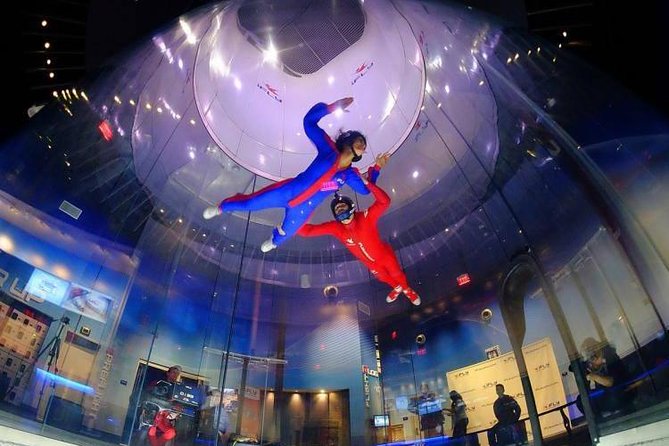
After the first round of flyers has completed their turns, you return for your second 60-second flight. This is where the value of the two-flight package becomes clearer. You have already felt the wind, seen the chamber, and learned the signals, so the second attempt can be more controlled.
Some participants manage to remain airborne without assistance, turn left, or turn right during the session. Do not expect flips or advanced tricks on a first visit. Those skills are reserved for experienced flyers, and your instructor decides when an action is safe.
Ask about a high flight if it is offered during your session or included in your booking. A high flight takes you higher in the chamber under the instructor’s control. Several customers singled this out as the most enjoyable part, describing it as more relaxed and entertaining than the lower flight. That does not mean it is available to every first-time flyer or included in every package, so confirm before paying extra.
The second flight is also your chance to ask about future progress. If you enjoy the activity, additional flights may be available at a discount for a later visit. Same-day availability is not guaranteed. One family wanted to buy more flights after their session but found the remaining groups were already full.
The certificate and what it means
At the end, you receive a personalized certificate of achievement. It is a small touch, but it gives the session a satisfying finish, especially for children and teenagers. The certificate can reflect the skills you completed, such as flying independently or making turns.
For a birthday or family outing, that record helps the event feel like more than a few minutes in a machine. A 15-year-old celebrating a birthday, a grandparent with a grandson, and an aunt flying with a teenage nephew are all examples of pairings this activity can suit.
The certificate should not be the reason you book. The real reward is learning to control your body in the air. Still, it is a useful souvenir, and it gives younger flyers something concrete to take home.
How much value do two flights offer at $136.25?
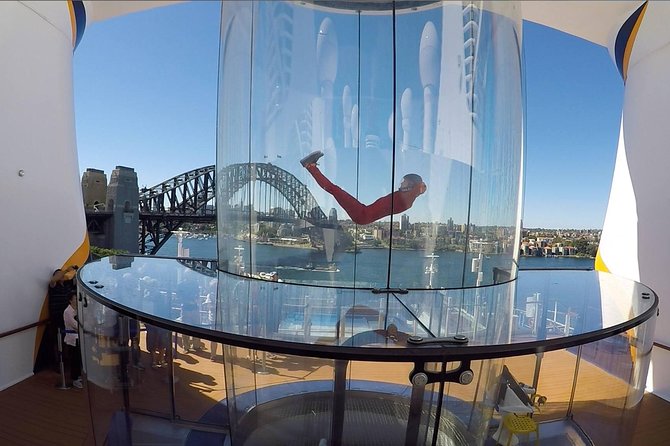
The listed price is $136.25 per person. That is a significant charge for an activity with two one-minute flights, especially if you compare it with a museum ticket, architecture cruise, or several hours of other Chicago entertainment.
The price makes more sense if you see the session as a coached introduction to wind-tunnel flight. You receive the safety class, equipment, instructor time, two flights, and a certificate. You also get access to a specialized facility that can reproduce a controlled freefall sensation without an aircraft or parachute.
Still, you should set expectations carefully. If you want strong G-forces, a feeling of zero gravity, or the rush of a fairground thrill ride, this may disappoint you. One couple found the activity overpriced and felt the short flight time did not deliver the adrenaline they expected. Their criticism is fair if your main goal is a powerful physical rush.
I would compare the direct iFLY price with the price offered through a booking platform before committing. Some customers felt an intermediary charged about 20 percent more than the facility’s normal rate. The provided tour price is clear, but direct comparison can help you protect the value of your money.
For a first taste, two flights are enough to decide if the sport appeals to you. If you already know you want to improve, a larger package may offer better value per minute. Ask about future-flight discounts at the desk.
Who will enjoy this most?
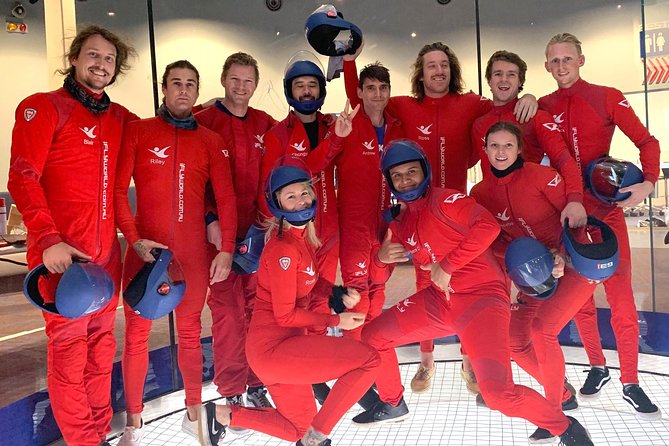
I would choose this for an adventurous family, a teenager’s birthday, a couple wanting an unusual afternoon, or a solo visitor curious about body flight. The minimum age is 3, and children under 18 need a parent or guardian to sign the waiver.
It is particularly good for people who like guided activities with a clear challenge. You do not need previous experience, and your instructor stays with you in the chamber. You also do not need to be comfortable jumping from a plane, since there is no aircraft, drop, or parachute.
This is less suitable for someone seeking a long, intense thrill. The flight periods are short, and your turn is shared with a group of up to 12 people. You spend much of the 1 hour 15 minute session watching, preparing, and waiting for your own turns.
The activity may also work well for someone who feels uncertain about regular outdoor skydiving. It lets you learn the basic feeling of body flight in a controlled room. It does not recreate the height, aircraft exit, or full experience of jumping outdoors, but it can show you whether the idea of freefall appeals to you.
Health, weight, and participation limits
Safety rules are strict. You cannot fly if you are pregnant, wearing a hard cast, or have certain neck, back, heart, or shoulder conditions. A history of injuries or shoulder dislocations may also prevent participation.
The stated weight limit is 300 pounds. If you weigh between 260 and 300 pounds, local staff must assess whether you can be accommodated and whether extra restrictions apply. Add your current weight in the special requirements field when booking to avoid delays at check-in.
There is no height restriction. For people with physical or cognitive challenges, the facility can arrange a certified instructor for All Abilities flyers if you contact the location in advance. That is worth doing before you reserve, since support needs to be planned.
If you need to reschedule, call the Chicago location directly. Date and time changes cannot be handled in another way. Cancellation is free when completed at least 24 hours before the start time. Changes or cancellations inside that 24-hour window are not accepted or refunded.
Practical tips for a smoother visit
- Arrive early: Give yourself 10 to 15 minutes for check-in, especially if Chicago traffic is part of your route.
- Wear the right shoes: Lace-up sneakers stay secure. Loose shoes are a poor choice.
- Leave jewelry behind: You will remove watches, rings, necklaces, bracelets, and loose accessories.
- Keep expectations realistic: Think coached body flight, not a roller coaster.
- Listen closely during training: Small changes in your arms and hips control much of what happens.
- Ask about the high flight: It may be the most enjoyable part for you, but confirm the cost and availability.
- Plan your timing: The whole session lasts about 1 hour 15 minutes, though the first-time format may take closer to 1 hour 30 minutes from start to finish.
- Book ahead: Sessions can fill, and the activity is commonly reserved well before the date.
Should you book the Lincoln Park indoor flight?
Book it if you want a safe, unusual activity with strong instruction and a genuine chance to float in a vertical wind tunnel. The staff’s friendly coaching, especially the calm guidance associated with instructors such as Tommy, Vinnie, Joe, and Hannah, is a clear strength. Families and teenagers are likely to get the most from the two-flight format.
Think twice if $136.25 feels high for two minutes of actual chamber time. The activity does not give you a falling sensation or the heavy force of a major amusement ride. For the best chance of feeling satisfied, arrive early, ask about the high flight, compare direct prices, and treat the session as a skill lesson rather than a pure adrenaline hit.
FAQ
How does the Chicago Lincoln Park indoor flight experience work?
A vertical wind tunnel uses fans to pull air through the flight chamber and send it back down the sides. The air is compressed and sped up before returning through the chamber, creating a column strong enough to keep you floating.
How long is each flight?
Each flight inside the wind tunnel lasts 60 seconds. The full first-time experience takes approximately 1 hour and 30 minutes from start to finish, while the booked activity is listed at about 1 hour 15 minutes.
How early should I arrive?
Arrive 10 to 15 minutes before your scheduled reservation. Check-in begins the session promptly, so arriving late can mean missing your opportunity to fly.
Do I fly alone or with a group?
You generally share a session with a group of up to 12 people. You fly one at a time in the chamber with your instructor, while the rest of the group can watch from the observation area.
What is the minimum age?
Children can participate from age 3. Anyone under 18 must have a parent or guardian sign the required waiver.
Are there health or weight restrictions?
You cannot fly if you are pregnant, wearing a hard cast, or have certain neck, back, heart, injury, or shoulder dislocation concerns. Participants must weigh less than 300 pounds. Anyone between 260 and 300 pounds requires an additional assessment by local staff.
What should I wear?
Wear comfortable clothes, preferably pants and a shirt without a collar, with well-fitting lace-up sneakers or running shoes. Long hair should be braided and tied in a low bun. Remove loose jewelry, watches, hair accessories, and empty your pockets before flying.
Can I wear glasses?
Yes. Larger goggles that fit over eyeglasses are available for use.
Just added in Chicago
- Chicago: Architecture and Engineering Marvels Walking Tour★ 5.0 · 3 reviews
- Private Downtown Chicago TV and Movie Sites Guided Walking Tour★ 4.5 · 3 reviews
- Private SUV Transfer from Chicago Downtown to Midway airport★ 5.0 · 3 reviews
- Private Holiday City Tour★ 5.0 · 3 reviews
- Black Heritage Tour★ 5.0 · 3 reviews
- BYOB Chicago River Guided History Tour★ 5.0 · 4 reviews
- Chicago 4-Hour Sightseeing Transfer by Luxury SUV★ 4.5 · 3 reviews
- Chicago, Cloud Gate, Grant Park Full-Day City Tour★ 4.0 · 4 reviews
Chicago Immersive & Indoor Attractions, compared.
Flyover in Chicago: An Immersive Flying Theatre Experience
Read our review →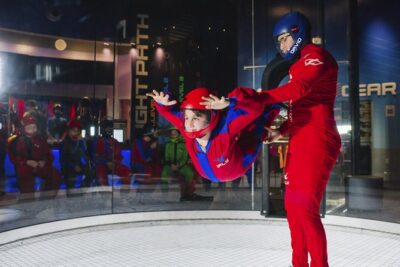
Browse the lists this tour appears in