

Reviewed · CHICAGO ARCHITECTURE TOURS
Chicago Walking Tour: Modern Architecture
Chicago’s modern architecture tour is less about checking off famous skyscrapers and more about learning how Chicago kept reinventing itself. In 90 minutes, you’ll move from the Chicago Architecture Center to the Daley Center, Marina City, and other downtown landmarks while your guide explains why steel, concrete, mixed-use buildings, and bold public art changed the city.
I like the maximum group size of 15, which makes it easier to hear the guide and ask questions. I also like that admission to the Chicago Architecture Center galleries is included, giving you a useful visual introduction before the walk begins. Guides such as Marcia, Donna, and Ollie have been praised for clear, friendly explanations.
The main drawback is pace. Kathleen was noted for walking fast, and the tour covers a fair amount of downtown in a short time. Cold weather can also make the outdoor stops less comfortable, so dress for the forecast and wear shoes made for city pavement.
In This Review
- Key points at a glance
- Why Chicago’s newer buildings deserve a closer look
- Beginning with the Chicago Architecture Center
- Prudential, Aon, and Inland Steel
- The Daley Center and Chicago Picasso
- AMA Plaza and the Mies connection
- Marina City, Bertrand Goldberg’s urban experiment
- Apple’s Michigan Avenue store and newer design
- What the guides add to the walk
- Is $35 a fair price?
- Timing, walking pace, and practical comfort
- Booking, changes, and the cancellation rule
- Who should book this Chicago walk?
- Should you book the Modern Architecture tour?
- FAQ
- Where does the tour begin?
- How long does the tour last?
- How much does the tour cost?
- What is included in the price?
- Is the Chicago Architecture Center included?
- What buildings and sites are covered?
- How large is the group?
- Is the tour accessible by public transportation?
- Are service animals allowed?
- Can I cancel for a full refund?
Key points at a glance
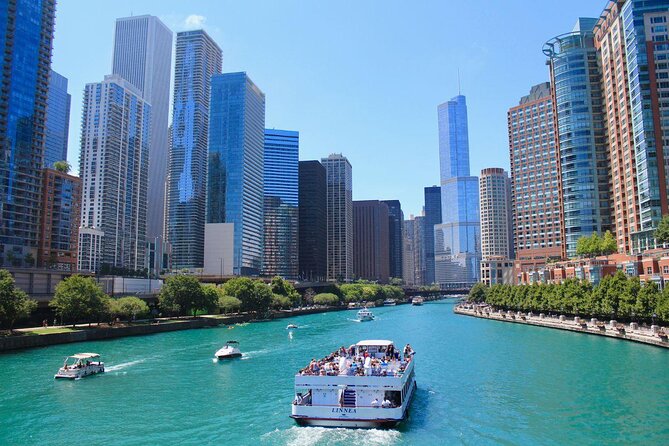
- Starts at the Chicago Architecture Center: See its 4,000-building scale model and browse the award-winning store before walking out into the Loop.
- Covers modern and postmodern design: Look for work linked to Mies van der Rohe, Bertrand Goldberg, and other major architects.
- Includes the Daley Center and Chicago Picasso: Learn why Cor-Ten steel mattered and how the plaza’s famous sculpture fits into Chicago’s public art story.
- Reaches Marina City: Examine Bertrand Goldberg’s unusual mixed-use towers and the urban idea behind them.
- Costs $35 per person: For a professional 90-minute tour plus CAC gallery admission, that is a fair price if architecture interests you.
- Keeps groups relatively small: The advertised maximum is 15 people, though the exact format can change.
Why Chicago’s newer buildings deserve a closer look
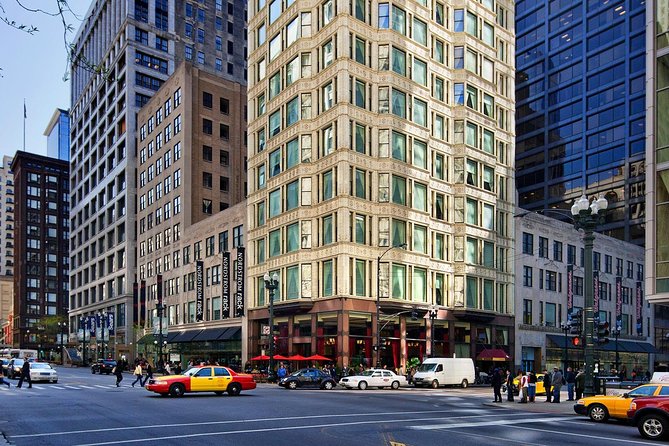
Chicago is famous for early skyscrapers, but this walk focuses on what came next. You’ll spend your time with modern, postmodern, and newer buildings rather than concentrating only on the city’s oldest high-rises.
That shift matters. Modern architecture can look spare at first glance, especially beside Chicago’s ornate older buildings. A good guide helps you notice the choices: exposed materials, strict grids, unusual shapes, open plazas, and buildings designed for more than one use.
The route also gives you a useful way to read downtown. Instead of treating each structure as an isolated photo stop, you’ll hear how changing ideas about offices, housing, public space, and city life shaped the Loop.
This is best for you if architecture or urban history already interests you. If you mainly want grand interiors, river views, or a broad introduction to every era of Chicago design, another tour may suit you better. This one has a clear focus, and that focus can feel narrow if you are not keen on buildings.
More architecture tours in Chicago:
- Chicago Architecture River Cruise
★ 5.0 · 15,756 reviews - Chicago River 90-Minute Architecture Tour
★ 4.5 · 9,629 reviews - Chicago River: 1.5-Hour Guided Architecture Cruise
★ 4.8 · 8,046 reviews
Beginning with the Chicago Architecture Center
The tour begins at the Chicago Architecture Center, at 111 E Wacker Drive. You have about 10 minutes there, with admission to the center’s galleries included.
The most useful feature is the 4,000-building scale model of Chicago. It gives you a quick sense of how the city fits together, from the dense downtown core to the wider collection of towers and neighborhoods. You may not have time for a long visit before the walk, but even a short look can help you understand the city as a whole.
The center also has an award-winning store. That is a practical extra for anyone who wants books, design items, or a souvenir tied to Chicago’s built environment. The tour does not include hotel pickup, luggage storage, stroller storage, or coat check, so arrive ready to walk with only what you need.
This opening stop is brief, but it adds value. You are not being sent straight onto the sidewalk with a list of building names. You get a visual reference point first, then see how those structures work in the real city.
Prudential, Aon, and Inland Steel
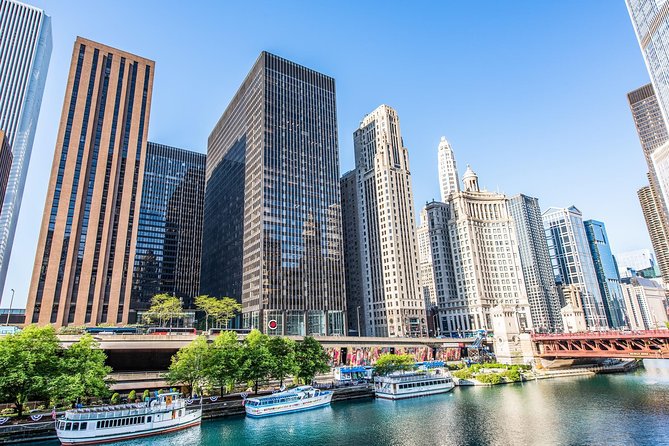
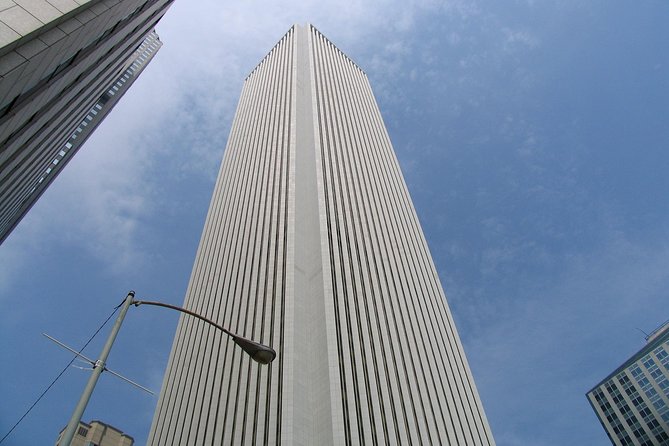
Early in the route, the guide points out the Prudential Building, the Aon Center, and the Inland Steel Building. The supplied route gives limited stop time for these buildings, so think of them as important examples along the walk rather than long interior visits.
This is where the guide’s narration matters most. You can look at a tall building on your own, but it is harder to place it in the story of Chicago’s modern design without context. Your guide can point out features many people walk past and explain how these buildings differ from one another.
The route is not designed as a series of extended entries into each tower. You should expect exterior viewing and discussion. That makes the tour efficient, but it also means you will not spend equal time at every building.
If you want to photograph every façade at leisure, you may find the 90-minute schedule brisk. I would treat this part as a guided introduction, then note which buildings you want to revisit later.
The Daley Center and Chicago Picasso
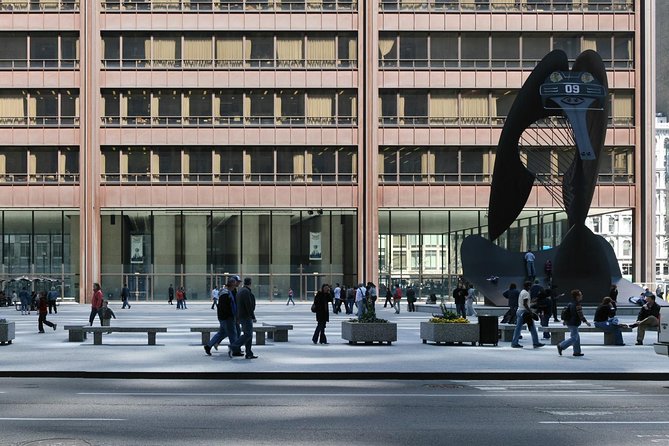
The Daley Center receives about 15 minutes, giving the group time to discuss both the building and its plaza. The structure is notable for its use of unpainted Cor-Ten steel, a material chosen for its weathering surface and strong, industrial look.
The guide also discusses the Chicago Picasso in the plaza. This is an important pairing because the tour does not separate architecture from public art. The building and sculpture together show how downtown public spaces can make room for work that was once considered daring or unfamiliar.
You will not just hear the sculpture’s name and move on. The plaza gives the guide a chance to talk about how modern design changed the feel of civic spaces. It is one of the more accessible parts of the tour for visitors who enjoy history, art, or city planning as much as architecture.
I especially like this stop for mixed-interest groups. Someone who is less focused on structural details can still connect with the Picasso and the public square. Someone who enjoys materials and design gets the Cor-Ten steel discussion.
More walking tours in Chicago:
- Chicago: Gangsters and Ghosts Walking Tour
★ 5.0 · 7,155 reviews - Chicago Favorites Ultimate Food and Walking Tour
★ 5.0 · 1,962 reviews - Chicago: Gangsters and Ghosts Guided Walking Tour
★ 4.7 · 1,697 reviews - Chicago in a Day: Food, History & Architecture Walking Tour
★ 5.0 · 1,153 reviews
AMA Plaza and the Mies connection
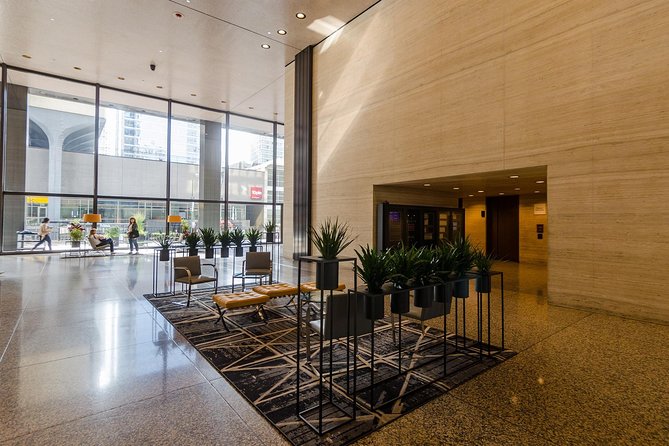
The walk continues to AMA Plaza, formerly home to the office of Mies van der Rohe. Mies is one of the central names in modern architecture, and this stop gives the tour a direct connection to his work and influence.
The value here is not simply seeing another office building. You get a chance to consider how Mies’s ideas were applied to the modern American city, particularly through clean forms and a disciplined approach to structure and materials.
The exact amount of time at this point is not specified, so the guide may adjust the discussion based on the group and the route. The itinerary can change without notice. That flexibility is normal for an outdoor city walk, but it means you should not treat every stop as a guaranteed timed presentation.
If Mies is the main reason you are booking, check the day’s meeting information and arrive with realistic expectations. This experience discusses his connection to AMA Plaza, but it is not presented as a dedicated tour of every Mies building in Chicago.
Marina City, Bertrand Goldberg’s urban experiment
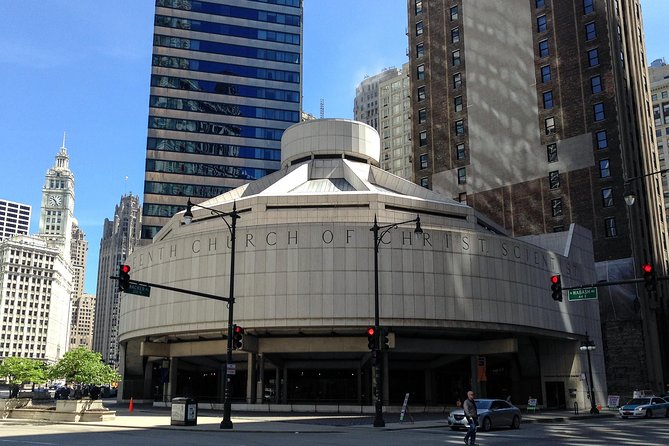
Marina City gets about 15 minutes and is one of the route’s most distinctive stops. Bertrand Goldberg designed the mixed-use complex as an urban experiment, with the goal of drawing middle-class Chicagoans back to the city after more than a decade of suburban migration.
That idea gives the building more weight than its unusual appearance alone. Marina City was not just a pair of eye-catching towers. It represented a proposed way of living, with residential and commercial uses brought together in one downtown complex.
This is the point where the tour’s social history becomes especially useful. You are not only looking at concrete forms. You are hearing about population movement, suburban growth, and attempts to make city living attractive again.
The stop works well for you if you enjoy architecture with a human purpose behind it. The tour asks you to consider why a building was designed in a certain way and what problem its architect hoped to address.
Apple’s Michigan Avenue store and newer design
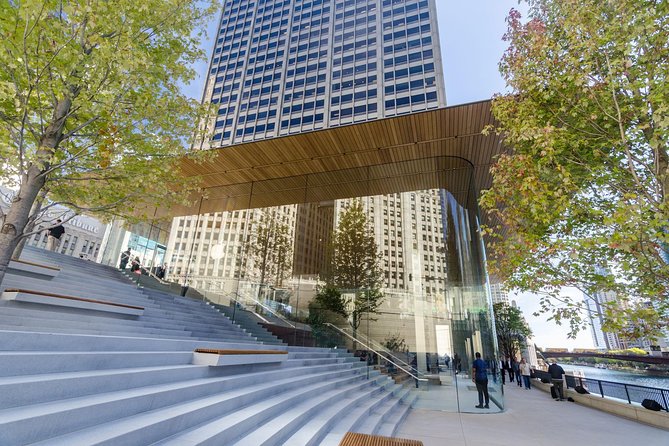
The route also includes a view of the Apple Store on Michigan Avenue. This brings the tour closer to current commercial architecture and shows how newer buildings can use a strong, simple design language to create a recognizable public presence.
As with the other exterior stops, you should expect to view and discuss the store rather than receive a detailed interior tour. It is a short look at how modern design continues to shape major streets and retail spaces.
This final type of stop helps prevent the tour from becoming a trip only through mid-century buildings. You get a sense of continuity, from the modern office towers and urban experiments of earlier decades to newer commercial design.
What the guides add to the walk
The guide is the key variable in an architecture tour. The experience includes narration from a professional, certified guide, and the strongest comments describe guides who are both well-prepared and personable.
Marcia is praised for being friendly and highly informed. Donna is noted for presenting material in architectural time order and answering questions. Ollie is described as fun and interesting, while another guide made a cold-weather walk feel engaging through entertaining explanations.
That range tells you what to look for. The best version of this tour is not a lecture filled with dates and architect names. It is a conversation that connects design decisions to the city around you.
The tone can vary by guide, and your own interest level matters. One person found the modern architecture subject a little monotonous, which is a fair warning. If you are not drawn to façades, materials, or the history of downtown planning, 90 minutes on this topic may feel repetitive.
On the other hand, architecture buffs can ask questions and get more from the route than they would from an audio guide. A small group makes that exchange easier, especially with a maximum of 15 people.
Is $35 a fair price?
At $35 per person, I consider this a reasonable buy for the right audience. The price covers a 90-minute guided walk, professional narration, and admission to the Chicago Architecture Center galleries.
You are paying for interpretation rather than an expensive admission ticket. Most of the buildings are viewed from public streets and plazas, so the value depends on how much you want the guide to explain what you are seeing.
For a first visit to Chicago, the tour can help you get your bearings in the central area while giving you a focused subject. For a repeat visit, it offers a fresh reason to look at familiar streets.
The price is less compelling if you only want a quick list of famous buildings or prefer to explore at your own pace. You could view many of these structures independently, but you would miss the connections among Mies, Goldberg, public art, office design, and the effort to bring people back into the city center.
Because the tour averages being booked five days ahead, I would reserve before your trip rather than wait until the last moment, especially if your schedule is tight.
Timing, walking pace, and practical comfort
The total duration is about one hour and 30 minutes. That is long enough for a focused architectural lesson without taking up half a day, but the route is still an outdoor walk through downtown.
Wear comfortable shoes. One guide was specifically described as walking fast, so stay alert to the group’s pace and do not assume there will be long pauses between every building.
Weather also matters. A cold day does not cancel the subject’s interest, but it can make the walk less pleasant. One outing took place in cold conditions and was still considered doable because the guide kept the discussion engaging. I would still dress warmly rather than count on conversation to keep you comfortable.
The tour is near public transportation, and most people can participate. Service animals are allowed, but pets are not. The tour does not provide hotel pickup and drop-off, coat check, or storage for luggage or strollers.
The group maximum is 15 people, though operating conditions can affect the format. During one period of special health restrictions, the group was limited to six people plus the guide and masks were required. Those specific rules may not apply now, so check the current instructions after booking.
Booking, changes, and the cancellation rule
You receive confirmation when you book. The experience provider is the Chicago Architecture Center, and the meeting point is the center at 111 E Wacker Drive.
The itinerary may change without notice. That could affect the order or treatment of individual stops, so book this for the overall modern architecture route rather than one exact building presentation.
Cancellation is free up to 24 hours before the start time for a full refund. Within 24 hours, the amount paid is not refunded, and changes made inside that window are not accepted. Cutoff times use Chicago local time.
There is one practical reason to keep your confirmation close at hand: a cancellation problem was reported by a customer who arrived at the starting point without prior notice. The account also involved a third-party booking and difficulty getting the payment credited back through the architecture center. I would book through a channel with clear customer support and check your confirmation before setting aside a full day around the tour.
Who should book this Chicago walk?
I would recommend it most strongly to:
- Architecture buffs who want modern and postmodern buildings explained in context.
- History lovers interested in suburban migration, civic spaces, and changing city life.
- Repeat Chicago visitors who have already seen the classic early skyscraper sights.
- Visitors who like compact tours with a professional guide rather than a large sightseeing group.
- Curious first-time visitors who want a focused introduction to downtown design.
I would be more cautious if you dislike walking, want extensive time inside buildings, or prefer a broad tour covering Chicago architecture from its earliest structures to the present. The modern focus is the point, but it can feel narrow if your interests lie elsewhere.
Should you book the Modern Architecture tour?
Book it if you want to understand why buildings such as Marina City, AMA Plaza, the Daley Center, and the Inland Steel Building matter. The strongest part of the experience is the guide’s ability to turn downtown façades into a story about materials, architects, public art, housing, offices, and the city’s effort to keep people living downtown.
Skip it if you want a slow photo walk or a tour built around interior access. The pace can be quick, weather can affect comfort, and modern architecture is not everyone’s favorite subject.
At $35, the tour offers solid value for an interested audience. I would pair it with extra time at the Chicago Architecture Center before or after the walk, and I would arrive ready for a brisk outdoor route.
FAQ
Where does the tour begin?
The tour begins at the Chicago Architecture Center, 111 E Wacker Drive, Chicago, Illinois 60601.
How long does the tour last?
The walking tour lasts approximately one hour and 30 minutes.
How much does the tour cost?
The listed price is $35 per person.
What is included in the price?
The price includes the modern and postmodern architecture walking tour, narration by a professional certified guide, and admission to the Chicago Architecture Center galleries.
Is the Chicago Architecture Center included?
Yes. Admission to its galleries is included, and the opening visit includes the chance to see the 4,000-building scale model of Chicago.
What buildings and sites are covered?
The route includes views of the Prudential Building, Aon Center, Inland Steel Building, Daley Center, AMA Plaza, Marina City, and the Apple Store on Michigan Avenue. It also includes discussion of the Chicago Picasso in the Daley Center plaza.
How large is the group?
The tour has a maximum of 15 travelers. Group procedures can change, as shown by an earlier period when groups were limited to six people plus the guide.
Is the tour accessible by public transportation?
Yes. The meeting area is near public transportation.
Are service animals allowed?
Yes, service animals are allowed. Pets are not allowed.
Can I cancel for a full refund?
Yes. You must cancel at least 24 hours before the experience start time for a full refund. Cancellations and changes within 24 hours are not refunded or accepted.
Just added in Chicago
- Chicago: Architecture and Engineering Marvels Walking Tour★ 5.0 · 3 reviews
- Private Downtown Chicago TV and Movie Sites Guided Walking Tour★ 4.5 · 3 reviews
- Black Heritage Tour★ 5.0 · 3 reviews
- Private SUV Transfer from Chicago Downtown to Midway airport★ 5.0 · 3 reviews
- Private Holiday City Tour★ 5.0 · 3 reviews
- BYOB Chicago River Guided History Tour★ 5.0 · 4 reviews
- Chicago 4-Hour Sightseeing Transfer by Luxury SUV★ 4.5 · 3 reviews
- Explore Black History on the Southside of Chicago★ 4.0 · 4 reviews
Chicago Architecture Tours, compared.
Chicago Architecture Center River Cruise aboard First Lady
Read our review →
Architecture River Cruise Skip-the-Ticket Line
Read our review →
Chicago River 45-Minute Architecture Tour from Magnificent Mile
Read our review →
45-Minute Family-Friendly Architecture River Cruise
Read our review →Browse the lists this tour appears in