
Reviewed · CHICAGO SCIENCE & NATURE MUSEUMS
Field Museum of Natural History All-Access Pass
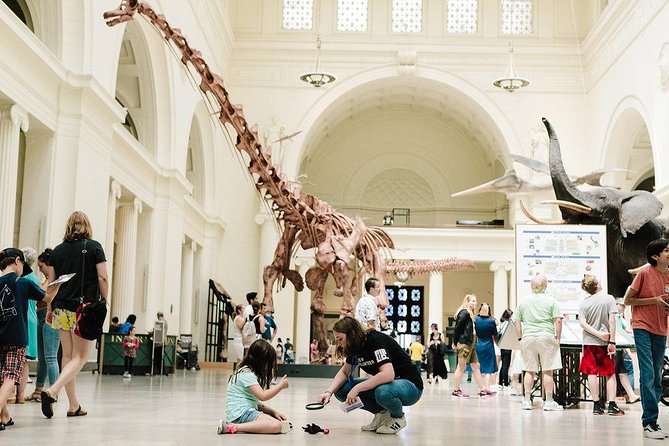
SUE the T. rex is the headline act, but the Field Museum All-Access Pass gives you far more than a dinosaur photo stop. You can move from Egyptian mummies and ancient American temples to Chinese jade, gems, mammoths, and the newly renovated Evolving Planet dinosaur hall. I like the freedom to stay for an hour or make a full day of it, and I especially like that free docent-led tours are included.
The museum is easy to reach on Chicago’s Museum Campus, with Lake Michigan and the downtown skyline just outside. The catch is size: you can spend six hours here and still miss sections, so arrive with a plan. The 3D movie costs extra, and the pass exchange at the entrance may take a little patience.
In This Review
- Key points to know before you go
- SUE, mummies, and a museum built for a full day
- Evolving Planet makes the dinosaur visit worthwhile
- Ancient Egypt offers the museum’s most atmospheric history
- Ancient Americas connects mammoth hunters to the Inca and Aztecs
- Gems, jade, and smaller collections deserve your attention
- Underground Adventure is playful, but its appeal depends on your interests
- Why the $41 pass can be good value
- A practical plan for one day inside
- Who will enjoy this pass most
- Should you book the Field Museum All-Access Pass?
- FAQ
- Where is the Field Museum located?
- How much does the All-Access Pass cost?
- How long should I plan to stay?
- What are the Field Museum’s opening hours?
- Is the 3D movie included?
- Are docent-led tours included?
- Are maps available in languages other than English?
- Can I cancel for a refund?
Key points to know before you go
- SUE the T. rex is the essential first stop: One of the museum’s most famous specimens gives families and dinosaur fans an immediate reason to visit.
- The pass covers more than general admission: You get access to all ticketed exhibitions, including limited-engagement displays when available.
- Free docent tours add useful context: Ask about the day’s schedule as soon as you arrive, since a guide is not automatically assigned.
- Plan on at least four hours: The museum is large, and a full visit can easily fill most of a day.
- The 3D movie costs extra: It is subject to availability, and morning arrival is recommended if you want to reserve a time.
- The $41 price works best for serious museum time: If you only want SUE and one or two halls, a cheaper ticket may suit you better.
SUE, mummies, and a museum built for a full day
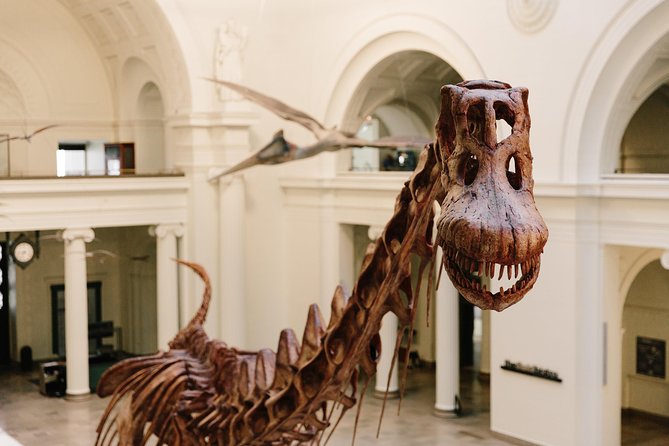
I would begin with SUE. The famous T. rex is a powerful introduction to the Field Museum because it gives you a clear first goal before the building’s many corridors begin competing for your attention. Dinosaur fans can then continue into Evolving Planet, the renovated dinosaur hall, where dinosaurs appear alongside giant sloths and woolly mammoths.
That sequence also helps families. Children often arrive with one firm request, usually dinosaurs, and SUE delivers early. After that, you can shift to ancient Egypt, gems, animals, or the Americas without asking everyone to commit to an entire day of archaeology.
The museum contains more than 35 world-renowned exhibitions, so this is not a quick attraction. You might spend one to eight hours here depending on your pace, but four hours is only enough for a strong selection. If you want to see nearly everything, make room for most of a day, and consider returning another time rather than marching exhausted through the final halls.
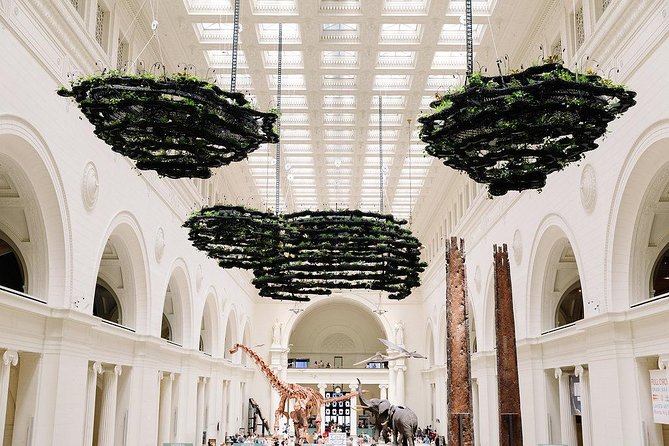
The building itself is part of the experience. It sits on Museum Campus beside Lake Michigan, with an excellent view back toward Chicago’s downtown skyline. When your attention starts to fade, stepping outside gives you a useful break without leaving the museum area.
More of the Museum Campus:
- Chicago: Field Museum of Natural History Ticket or VIP Tour
★ 4.7 · 717 reviews - Field Museum of Natural History Admission Tickets
★ 4.5 · 489 reviews - Chicago: 1-5 Day Attraction Pass with Shedd Aquarium
★ 4.4 · 372 reviews
Evolving Planet makes the dinosaur visit worthwhile
The dinosaur collection is the museum’s strongest draw for many people, and Evolving Planet gives it proper space. You will see dinosaurs as part of a much longer story of life, with mammoths and giant sloths helping connect prehistoric eras instead of leaving the exhibits as a parade of isolated skeletons.
I like this approach because it works for different ages. A young child can focus on the size and shape of the animals, while an older child or adult can spend more time on extinction and change over time. The museum also has displays connected to mass extinctions, which give the prehistoric material a wider frame.
One visitor particularly enjoyed a dinosaur tour led by John, who offered added insight into the dinosaur exhibits. That kind of guided visit can make a difference when you want more than labels and cases. Still, do not assume that a personal guide named John, or any assigned guide, comes with your pass. The daily docent tours are free, but availability and assignment can vary.
If dinosaurs are your main reason for coming, allow more time than you think you need. The hall is not simply a single room to cross off your list. You may find yourself stopping repeatedly, especially if you are visiting with children who want to examine every skeleton.
Ancient Egypt offers the museum’s most atmospheric history
Inside Ancient Egypt brings together 23 Egyptian mummies, hieroglyphics dating back 5,000 years, and displays that show how people lived and died along the Nile. This is one of the places where a docent can help you connect individual objects to a larger story.
The Egyptian displays appeal to visitors who want more than natural history. You can move from fossils and extinction to burial customs, writing, and daily life without leaving the building. A film about Egyptian tombs is also available, though the 3D movie is an extra purchase and depends on availability.
The museum’s Egyptian material also works well for families because it provides a change of pace from dinosaurs. Younger children may focus on the mummies, while adults can take more time with the hieroglyphics and archaeology. If you want to see the movie, arrive early, ideally between 9 a.m. and noon, when there is more time to select a showing.
Do not treat the Egypt section as a quick hallway stop. It is one of the exhibits most likely to reward a slower visit, especially if you take a free docent tour or use one of the printed guides.
Ancient Americas connects mammoth hunters to the Inca and Aztecs
The Ancient Americas exhibition covers 13,000 years, beginning with Ice Age mammoth hunters and continuing to the temples and cultures of the Inca and Aztecs. That long time span makes this section useful when you want to understand how societies changed across the continent rather than viewing a few famous objects in isolation.
I would give this hall extra time if you have a particular interest in archaeology or Indigenous cultures. It is also a helpful counterweight to the museum’s animal collections. After several rooms of fossils and wildlife, the focus shifts to people, cities, belief systems, and objects shaped by human hands.
The museum’s scale can work against this section. With so much else to see, it is easy to pass through quickly. Use the map before you start and mark the areas you care about most. Maps and highlights guides are available in English, Spanish, French, German, Italian, Mandarin Chinese, Japanese, Korean, Polish, and Portuguese.
More history walks in Chicago:
- Chicago in a Day: Food, History & Architecture Walking Tour
★ 5.0 · 1,153 reviews - Chicago Walking Tour: Historic Treasures of Chicago
★ 5.0 · 362 reviews - Historical and Architectural Chicago Fireboat River & Lake Cruise
★ 5.0 · 246 reviews - Walkin’ with Colin: Chicago History-Mystery-Comedy-Tragedy Tour
★ 5.0 · 218 reviews
Gems, jade, and smaller collections deserve your attention
The new Hall of Gems is a good choice when you want a quieter change of pace. It provides close views of stones and jewelry, with the appeal coming from detail rather than sheer size. One strong point of the museum is its rock collection, which has impressed even visitors who have seen many mineral displays elsewhere.
The Hall of Jades holds one of the largest Chinese jade collections in North America. This is a worthwhile stop for anyone interested in craft, materials, or Asian art, and it gives the pass value beyond the better-known dinosaur and mummy displays.
These halls are easy to overlook when you enter with SUE at the top of your list. I would place them on your route rather than leaving them for the final hour, when tired feet and a crowded schedule may push you toward the exit.
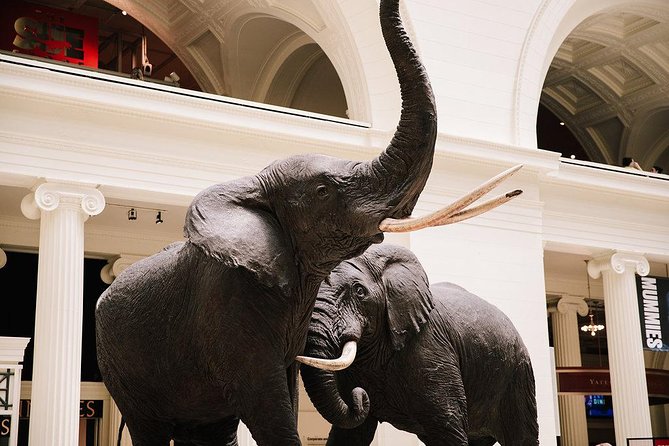
The same advice applies to the animal displays. The museum includes famous specimens such as the lions of Tsavo, associated with the story known through The Ghost and the Darkness. That connection adds a memorable human story to what could otherwise be another animal display.
Underground Adventure is playful, but its appeal depends on your interests
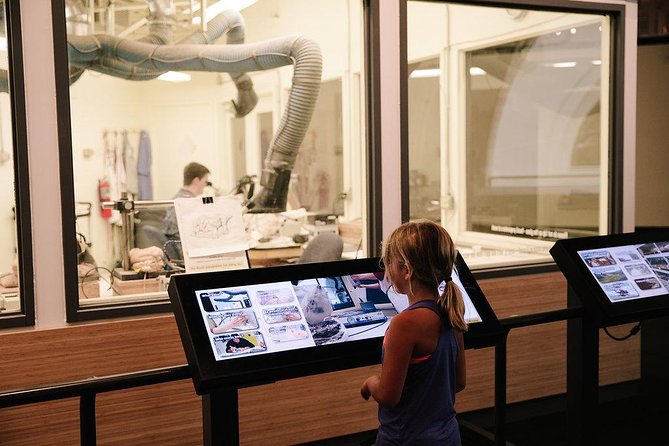
Underground Adventure uses a clever idea: you are presented as shrinking to one hundredth of your natural size and exploring a world beneath your feet. The concept is designed to make small creatures and underground life feel enormous.
This will be a better match for children and visitors who enjoy insects, ecology, and dioramas than for someone focused only on dinosaurs or ancient civilizations. The attraction gives the museum a more playful tone, but it is not the strongest part of the visit for every adult.
The same is true of some special exhibits. The All-Access Pass can be worthwhile because it includes ticketed exhibitions beyond basic admission, but not every included display will matter equally to you. Before paying for the higher-priced pass, check what is showing and decide if those exhibits match your interests.
Why the $41 pass can be good value
At $41 per person, the All-Access Pass is best viewed as a full museum day rather than a simple entry ticket. You are paying for access to all ticketed exhibitions as well as the permanent halls, so the value rises if you plan to see special displays, spend several hours inside, and use the free docent program.
The pass is less compelling for a short visit. If you have only an hour before a flight, or if your only goal is a quick look at SUE, a less inclusive admission option may be enough. The museum is near public transportation and easy to fit into a Museum Campus day, but a short visit still leaves much of the pass unused.
Booking ahead helps with planning and can reduce uncertainty on a busy day. It is particularly useful for rainy weather, when indoor attractions become popular. Still, allow time at the entrance if you need to exchange a voucher for the pass. Keep the printed confirmation or small voucher handy, since the order number may be requested at different points inside.
The normal opening hours are 9 a.m. to 5 p.m. The last entry for special exhibitions is 3:30 p.m., and the last general admission entry is 4 p.m. Those cutoffs matter. Arriving late in the afternoon may leave you with general halls but not enough time for the ticketed exhibits you paid to see.
A practical plan for one day inside
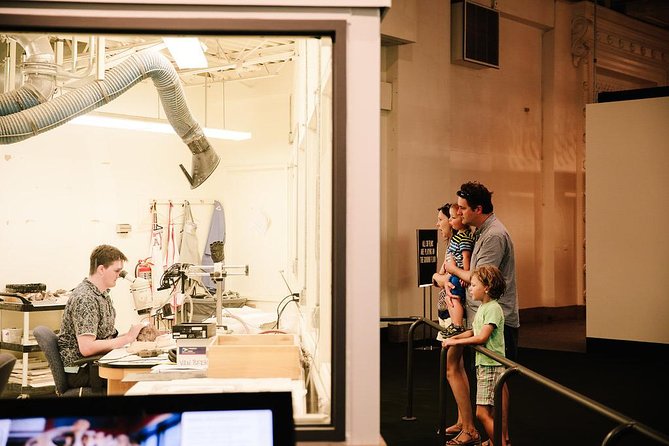
I would arrive close to opening, especially if you want the 3D movie or a docent tour. Start by checking the day’s free tour schedule and asking where you need to meet. Since a guide is not automatically assigned, asking first thing avoids the disappointment of expecting a private escort that is not part of the pass.
Next, choose two or three priority areas. A sensible route might include SUE and Evolving Planet, Ancient Egypt, and Ancient Americas. Add the Hall of Gems or Hall of Jades if those subjects interest you, then fit in animals or Underground Adventure based on your group.
Do not try to read every label. Pick a few exhibits for close attention and let the rest be a lighter walk through. This keeps children engaged and gives adults enough energy for the sections that matter most.
The Field Bistro provides a convenient place to eat, but food costs can feel high for a family. Plan your budget accordingly. Water bottle refill stations are available, which is useful during a long visit, particularly if you are moving between floors and halls.
Comfort also matters. The museum is large enough that walking distances add up. Wheelchairs have been available for people who cannot walk long distances, and service animals are allowed. Most people can take part, but anyone with limited stamina should plan regular breaks rather than attempting every hall in one push.
Who will enjoy this pass most
Families with dinosaur fans are the clearest match. SUE, Evolving Planet, animal displays, and Underground Adventure give children several different subjects to follow, while the building’s size lets adults choose more serious archaeology, art, or geology.
The pass also suits couples and solo visitors who like setting their own pace. You can spend an hour with jade, linger over Egyptian material, join a docent tour, or simply move through the halls without being tied to a group itinerary.
It is a good rainy-day choice and a practical stop before a flight if you have several hours, though a short window will not do the museum justice. People who dislike large museums, lengthy walking, or mostly display-based exhibits should choose carefully. Some sections have interactive elements, but much of the experience involves looking closely at specimens, objects, and dioramas.
The maximum activity group size is 15, but remember that the All-Access Pass itself is primarily admission, not a guaranteed guided tour. Free docent tours are available, and a separate dinosaur tour may offer more focused interpretation when scheduled.
Should you book the Field Museum All-Access Pass?
Book it if you want a serious museum day and plan to visit SUE, Evolving Planet, Ancient Egypt, and at least one ticketed exhibition. The combination of permanent halls, special displays, free docent tours, and the Museum Campus setting makes $41 reasonable for a long visit.
Choose another ticket if you only have a short time or care about one exhibit. The museum rewards planning, and the All-Access Pass cannot make a six-hour collection fit into two hours.
My practical choice would be to arrive at 9 a.m., ask about docent tours and the 3D movie, see SUE before energy and crowds become an issue, and use the map to protect your top three exhibits. For families, first-time Chicago visitors, and anyone who enjoys dinosaurs, archaeology, or geology, this is a strong value. Just remember that the museum is enormous, the movie costs extra, and the best visit is an unhurried one.
FAQ
Where is the Field Museum located?
The museum is at 1400 S Lake Shore Dr, Chicago, Illinois 60605, on Chicago’s Museum Campus.
How much does the All-Access Pass cost?
The listed price is $41 per person.
How long should I plan to stay?
The visit can last from about one to eight hours. Plan at least four hours for a substantial visit, and consider most of a day if you want to see many halls and ticketed exhibitions.
What are the Field Museum’s opening hours?
The museum is open daily from 9 a.m. to 5 p.m. The last special exhibition entry is at 3:30 p.m., and the last general admission entry is at 4 p.m.
Is the 3D movie included?
No. The 3D movie costs extra and is subject to availability. Arriving between 9 a.m. and noon is recommended if you want to reserve a time.
Are docent-led tours included?
Yes. Free daily docent-led tours are available to museum visitors. A guide is not automatically assigned, so ask about the schedule when you arrive.
Are maps available in languages other than English?
Yes. Museum maps and highlights guides are available in English, Spanish, French, German, Italian, Mandarin Chinese, Japanese, Korean, Polish, and Portuguese.
Can I cancel for a refund?
You can cancel up to 24 hours before the experience for a full refund.
More Museums in Chicago
- Medieval Torture Museum Ticket with Audio Guide and Ghost Hunting
★ 5.0 · 962 reviews - Museum of Ice Cream Chicago Admission Ticket
★ 3.5 · 396 reviews - 2-Hour Chicago Lakefront & Museum Campus Segway Tour
★ 5.0 · 345 reviews - Chicago: Museum of Ice Cream Entry Ticket
★ 4.2 · 325 reviews
Just added in Chicago
- Chicago: Architecture and Engineering Marvels Walking Tour★ 5.0 · 3 reviews
- Private Downtown Chicago TV and Movie Sites Guided Walking Tour★ 4.5 · 3 reviews
- Black Heritage Tour★ 5.0 · 3 reviews
- Private SUV Transfer from Chicago Downtown to Midway airport★ 5.0 · 3 reviews
- Private Holiday City Tour★ 5.0 · 3 reviews
- BYOB Chicago River Guided History Tour★ 5.0 · 4 reviews
- Chicago 4-Hour Sightseeing Transfer by Luxury SUV★ 4.5 · 3 reviews
- Chicago, Cloud Gate, Grant Park Full-Day City Tour★ 4.0 · 4 reviews
Chicago Science & Nature Museums, compared.

Field Museum of Natural History Ticket or VIP Tour
Read our review →
Field Museum of Natural History Admission Tickets
Read our review →

Field Museum of Natural History Early Access Ticket
Read our review →Browse the lists this tour appears in