
Reviewed · CHICAGO ARCHITECTURE TOURS
Chicago History and Architecture Walking Tour
Chicago’s story comes into focus on foot, from Cloud Gate in Millennium Park to the Chicago Riverwalk and the Magnificent Mile. This 2.5-hour small-group route ties public art, skyscrapers, the Chicago Fire, and the city’s rebirth into one readable walk. Guides Andrew and Andy bring strong personal knowledge, including family connections to Chicago.
I like the small group of up to 10, which gives the guide room to answer questions. I also like the route’s variety: public art, the Chicago Pedway, river views, landmark buildings, and a chance to sample classic local food on your own. The main drawback is that it is more of a history-and-city overview than a detailed architecture lecture, and food and drinks are not included.
In This Review
- Five things to know before you book
- A useful Chicago orientation in 2.5 hours
- Millennium Park and Cloud Gate
- The Chicago Pedway and the city beneath the streets
- The Riverwalk and Chicago’s skyscraper views
- Wrigley Building, Tribune Tower, and the Magnificent Mile
- Chicago Fire history and the city’s comeback
- Chicago food stops and the Starbucks Reserve Roastery
- What the guides add to the walk
- Walking demands, timing, and practical planning
- Who will get the most from this tour
- Should you book the Chicago History and Architecture Walking Tour?
- FAQ
- Where does the Chicago History and Architecture Walking Tour meet?
- How long does the tour last?
- How much does the tour cost?
- What group size should I expect?
- What language is the tour conducted in?
- Does the tour visit Cloud Gate?
- Which major buildings can I see?
- Are food and drinks included?
- Can I cancel the booking for a refund?
Five things to know before you book
- Cloud Gate starts the story: You get time for photos at Millennium Park’s famous reflective sculpture.
- The route covers several central districts: The walk links Millennium Park, the Riverwalk, the Magnificent Mile, and DuSable Bridge.
- Andrew and Andy are the guides to look for: Andrew is praised for his knowledge of Chicago history, architecture, neighborhoods, and culture.
- The Chicago Pedway adds an unusual stop: You briefly see the indoor passage system beneath downtown streets.
- Bring money for food: Chicago snacks and drinks may be part of the route, but they are not included in the $49 price.
A useful Chicago orientation in 2.5 hours

This tour works best as a first look at central Chicago. You are not simply taken from one famous building to another for quick photographs. The guide uses the walk to explain how the city grew, burned, rebuilt, and developed its famous mix of streets, bridges, parks, and tall buildings.
The group meets at McCormick Tribune Plaza, in front of Park Grill. That is a practical starting point because you can use the nearby restrooms before setting out. Morning and afternoon departures are usually available, giving you some freedom when arranging the rest of your day.
The group limit is 10 people. That matters on a city walk. You can hear a live English-speaking guide more easily than you would in a large crowd, and there is a better chance to ask about a building, neighborhood, or food stop that catches your eye.
At $49 per person, the value depends on what you want. If you are looking for a quick way to understand central Chicago and prefer a guide to connect the sights, the price is reasonable. If your main goal is a technical study of skyscraper design, a dedicated architecture cruise may suit you better.
More architecture tours in Chicago:
- Chicago Architecture River Cruise
★ 5.0 · 15,756 reviews - Chicago River 90-Minute Architecture Tour
★ 4.5 · 9,629 reviews - Chicago River: 1.5-Hour Guided Architecture Cruise
★ 4.8 · 8,046 reviews
Millennium Park and Cloud Gate
The tour begins in Millennium Park, one of the best places in Chicago to see how art, landscaping, and public space work together. The park gives you more than a backdrop for photographs. Its gardens, public art, and open spaces offer an immediate introduction to the city’s modern civic face.
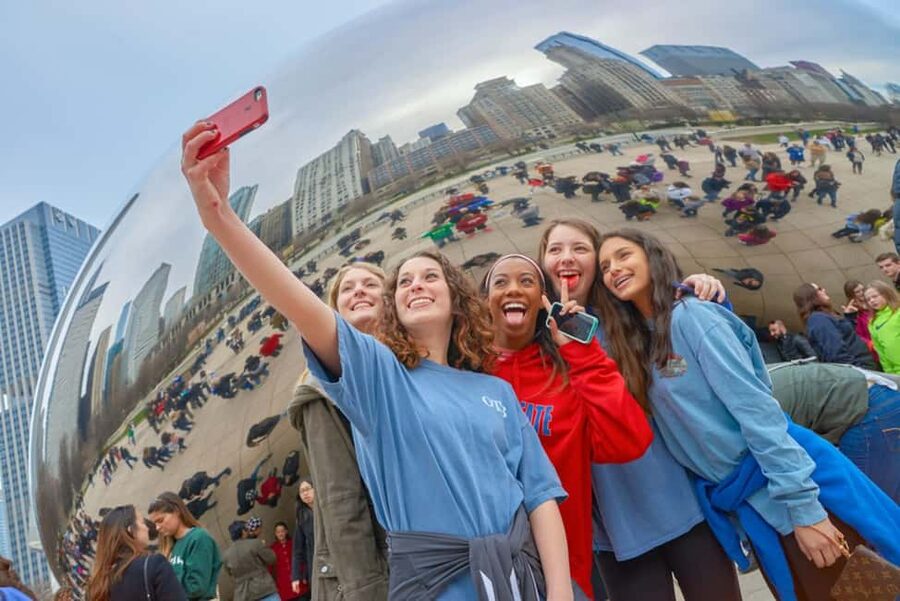
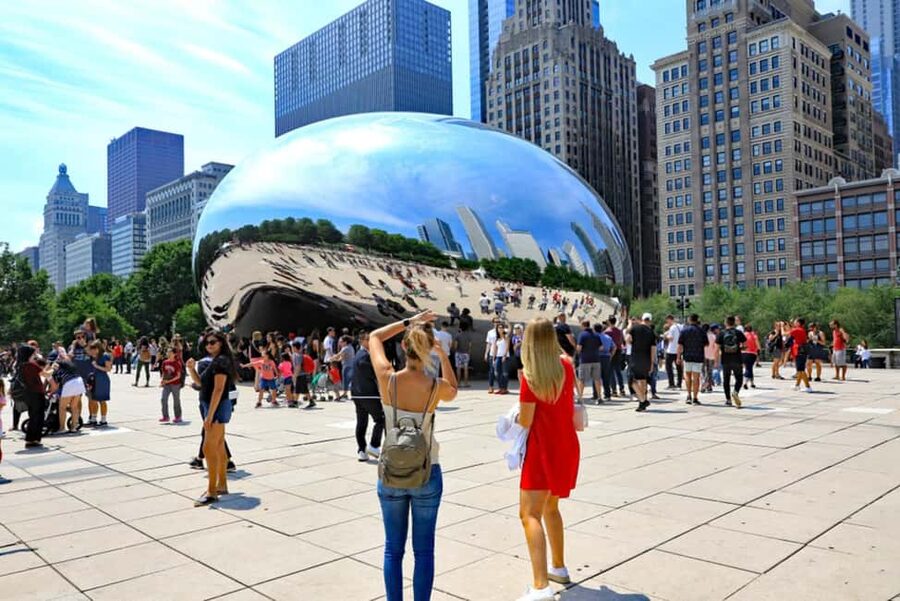
Cloud Gate, the polished sculpture commonly called The Bean, is the obvious first photo stop. Its curved surface reflects the skyline, the park, and the people around it. Your guide can help place the sculpture within the larger story of Chicago’s public spaces, while you take the photos that almost everyone wants.
This first stop is also useful for getting your bearings. The tour does not begin in an obscure corner of the city. It starts with a major landmark and then moves toward older downtown streets and buildings, letting you see the city change as you walk.
Expect other people around Cloud Gate. The sculpture is one of Chicago’s most photographed sights, so this is not a quiet, private photo session. The benefit of joining a guide is that you get context instead of only a picture.
The Chicago Pedway and the city beneath the streets
One of the more unusual parts of the route is a look at the Chicago Pedway. This network of indoor passages helps connect parts of the downtown area, although it can feel less clear than the city grid above ground.
That makes it a useful stop on a walking tour. You get a glimpse of how Chicago functions in bad weather and how much of downtown life happens below street level. It also breaks up the route with a change of setting before you return to the open air.
The Pedway is not presented as a grand monument, and that is part of its appeal. It is a piece of working city infrastructure rather than a polished attraction. You might find this less visually exciting than the park or river, but it adds a practical local detail that many sightseeing routes skip.
The Riverwalk and Chicago’s skyscraper views
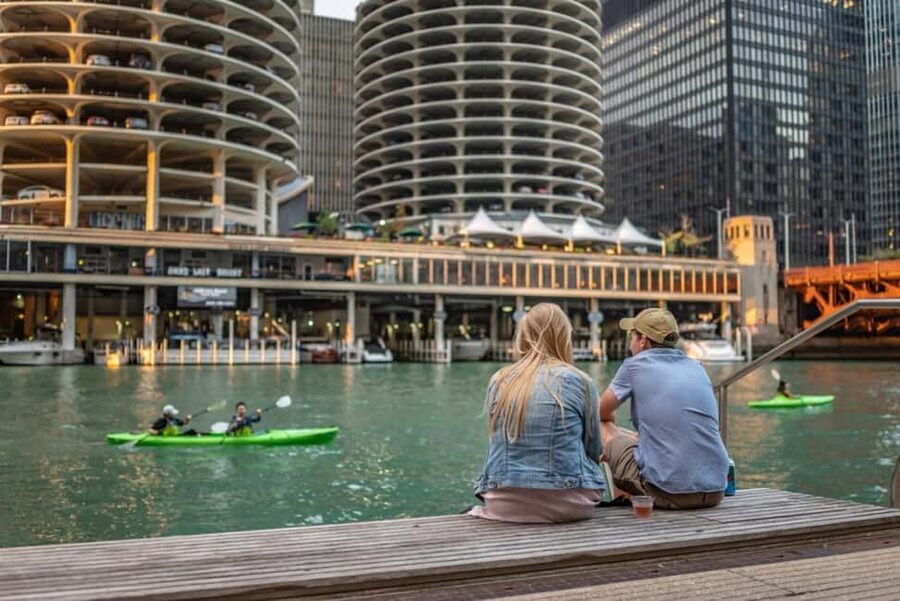
The route then reaches the Chicago Riverwalk, where the city’s architecture is easiest to read from a distance. Along the river, tall buildings rise on both sides, giving you a strong sense of Chicago’s vertical scale.
This is where the tour’s history and architecture themes meet. The river helped shape Chicago’s growth, and the buildings along it show different periods of design and development. You are not trapped inside a museum, looking at models or old photographs. You see the city’s built history in front of you while the guide explains what you are looking at.
The Riverwalk also offers a change of pace. After streets, plazas, and indoor passages, the water opens up the view. It is a good place to pause, take photographs, and ask the guide about the buildings that interest you most.
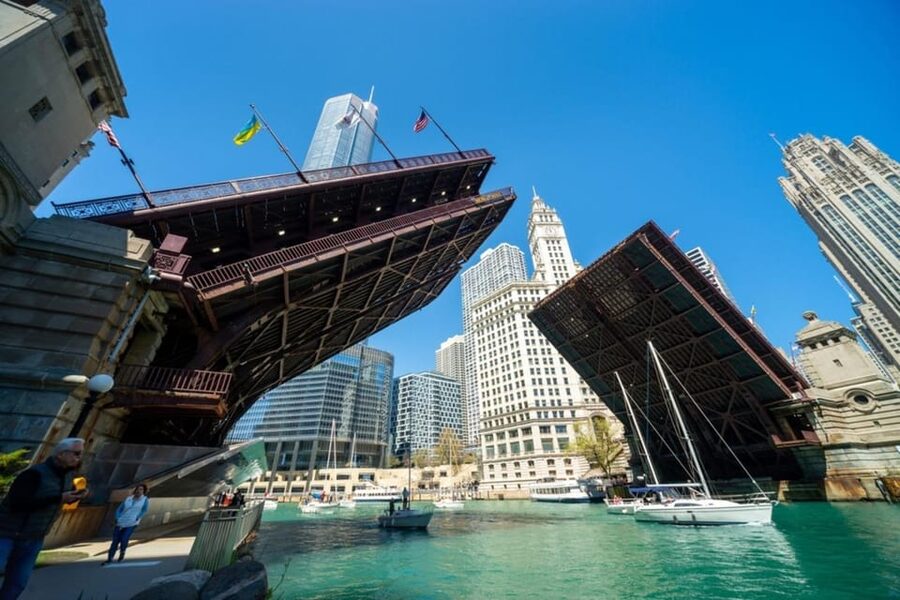
The route includes the historic DuSable Bridge. Crossing it gives you another angle on the river and the surrounding architecture. The bridge is also tied to the city’s story, making it a natural point for discussion about Chicago’s growth and the way its streets and waterways connect.
More walking tours in Chicago:
- Chicago: Gangsters and Ghosts Walking Tour
★ 5.0 · 7,155 reviews - Chicago Favorites Ultimate Food and Walking Tour
★ 5.0 · 1,962 reviews - Chicago: Gangsters and Ghosts Guided Walking Tour
★ 4.7 · 1,697 reviews - Chicago in a Day: Food, History & Architecture Walking Tour
★ 5.0 · 1,153 reviews
Wrigley Building, Tribune Tower, and the Magnificent Mile
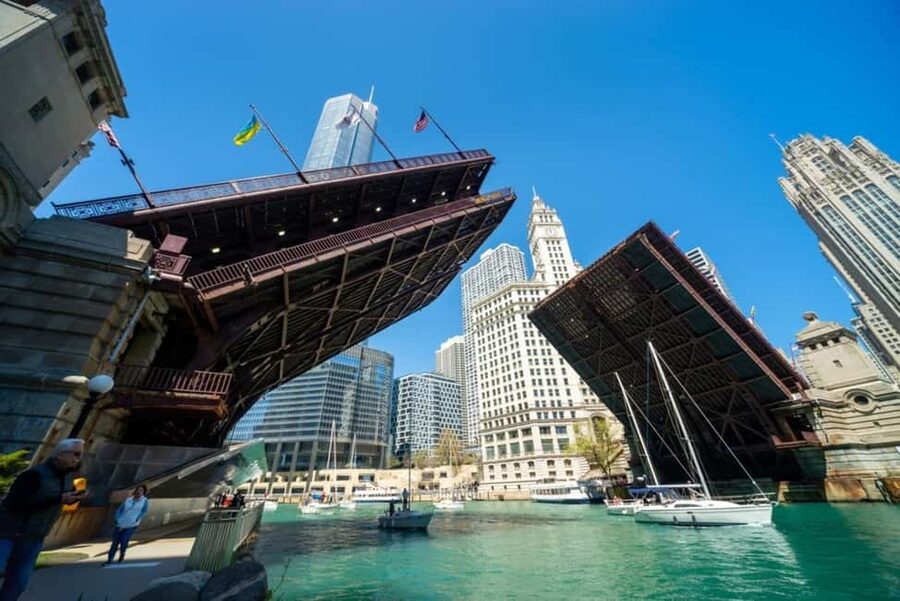
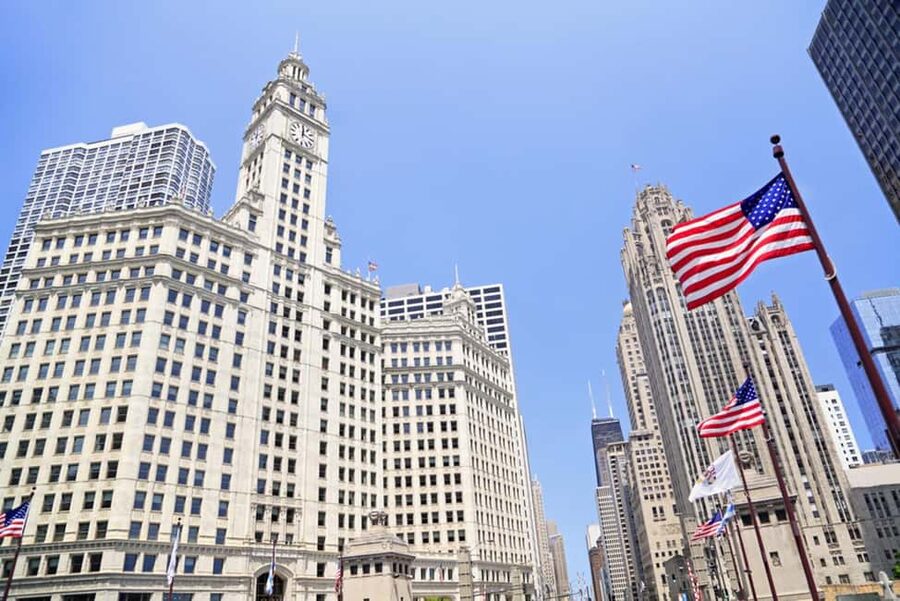
The walk along the Magnificent Mile brings some of Chicago’s best-known architecture into view. The Wrigley Building, Tribune Tower, and John Hancock Building each give you a different look at the city’s development.
The Wrigley Building is easy to recognize by its white exterior and prominent clock tower. Tribune Tower offers a different architectural character, with detailed decoration that rewards a closer look. The John Hancock Building brings the scale back up, reminding you that Chicago’s skyline is not just a collection of old landmarks. It also reflects the city’s continuing interest in bold tall-building design.
This part of the walk is especially good for people who want to see major landmarks without spending the day inside separate attractions. You can compare the buildings as you move along the street, rather than viewing each one in isolation.
The tradeoff is that the tour does not appear to include interior visits to these buildings. You should book it for exterior views, stories, and orientation. If you want observation-deck access, you would need a separate ticket for 360 Chicago at the John Hancock Building or Skydeck at Willis Tower.
The Magnificent Mile is also a commercial district, so expect shops, traffic, and city noise. That is not a flaw, but it shapes the experience. You are seeing these buildings in their working urban setting, not on a silent architectural campus.
Chicago Fire history and the city’s comeback

A central thread of the walk is the Chicago Fire and the rebuilding that followed. The fire is often treated as a simple disaster story, but a good guide can use it to explain how the city changed afterward.
Here, guide Andrew seems to be particularly strong. His background includes extensive knowledge of Chicago’s history, geography, architecture, and culture, and he adds personal family connections to the city. That personal angle can make a familiar story feel less like a textbook summary and more like an account tied to real people and neighborhoods.
The rebuilding story matters because it helps explain why Chicago became such an important center for architecture. The tour does not require you to know the city beforehand. It gives you a basic framework for understanding how destruction, planning, commerce, and new construction shaped the downtown you see today.
One point to keep in mind is the balance of subjects. The experience is sold as a history and architecture walk, but you should expect the historical storytelling to lead. One assessment described it as more history-focused than architecture-focused. If you want a technical discussion of structural systems, architects, and design movements at every stop, this may feel too broad.
For most people, that wider approach is useful. You learn not only what a building looks like, but why the city around it developed as it did.
Chicago food stops and the Starbucks Reserve Roastery
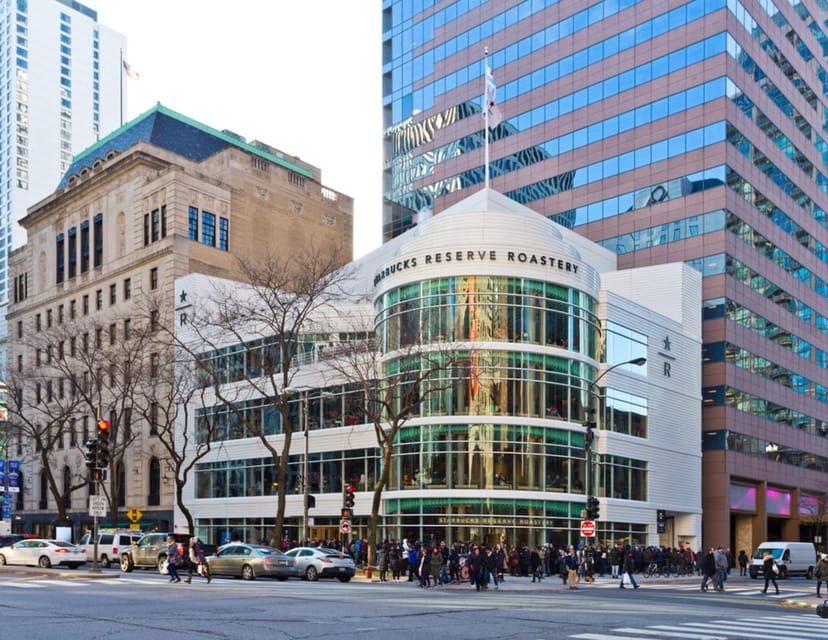
Food is part of the route, but it is not part of the price. You may have opportunities to try classic Chicago savory food, and the walk includes a stop at the Starbucks Reserve Roastery for a taste of local city life.
Think of these as optional spending points rather than included tastings. Bring extra money if you want to sample something, and remember that the $49 booking covers the guided walk, not meals or drinks.
This arrangement has one advantage: you choose what you actually want. Chicago has strong opinions about its classic foods, and not everyone wants the same snack or drink. The downside is that the food element may feel less substantial if you expected a formal food tour.
The Starbucks Reserve Roastery is also more of a city stop than a historic attraction. It gives you a chance to see a notable coffee space and take a break, but it should not be the main reason you book. The architecture, river views, and guide-led history carry the tour.
What the guides add to the walk
The guide is the most important variable on a walking tour, and the strongest feedback centers on Andrew, also referred to as Andy. He is praised for explaining Chicago’s history, traditions, neighborhoods, architecture, and culture in a way that feels personal.
That personal touch is useful. Andrew has spoken about his family history in Chicago, with family connections reaching back many generations. Stories like that can help connect large subjects, such as migration and city growth, to the people who made Chicago what it is.
He is also noted for recommending restaurants and other activities. That makes the tour more useful beyond its scheduled end. You can ask for ideas about what to do next, although you should treat those recommendations as a bonus rather than a formal part of the service.
The feedback is not entirely perfect. One booking had a serious problem when the guide did not appear for a same-day afternoon reservation, and the participant reported delays in receiving the promised refund. That appears to be an isolated service failure among mostly positive comments, but it is still worth acknowledging. If your schedule is tight, avoid placing an essential timed activity immediately after the walk.
Walking demands, timing, and practical planning
The tour lasts 2.5 hours and moves through several downtown areas. The supplied information does not give a total mileage figure, so you should plan for sustained city walking rather than a short stroll between two nearby sights.
Wear comfortable shoes and dress for Chicago’s conditions. You will spend time outdoors at the park, bridge, river, and major streets, with the Pedway providing only part of the route indoors. Check the forecast and carry water if needed.
The meeting point is McCormick Tribune Plaza in front of Park Grill. Arrive with enough time to locate the guide and use the restrooms before departure. The tour is in English, and the small group is limited to 10 participants.
Food and drinks are not included. Plan your budget accordingly, especially if you want to try a Chicago specialty or buy something at the Roastery.
You can cancel up to 24 hours ahead for a full refund, and the reserve-now, pay-later option lets you hold a place without paying at the time of booking. Those policies are helpful if your Chicago plans may shift.
Who will get the most from this tour
I would recommend this walk to first-time Chicago visitors who want a clear introduction to the city center. It also suits history fans, people who enjoy city planning stories, and anyone who prefers learning through conversation rather than reading plaques.
Families and mixed-interest groups may like the range of stops. One person can focus on public art, another on skyscrapers, and someone else on Chicago food or the city’s comeback after the fire. The route offers enough variety to keep the walk from feeling like a single-subject lecture.
Architecture enthusiasts should set the right expectations. You will see several major buildings and hear architectural context, but the tour appears to favor broad history and culture over detailed design analysis. If that is your priority, compare this walk with a Chicago River architecture cruise, which gives you a more concentrated view from the water.
You should also consider a cruise if you want to reduce walking or see the skyline from a different angle. For observation-deck views, choose a separate 360 Chicago or Skydeck ticket. This tour is best for connecting the sights at street level.
Should you book the Chicago History and Architecture Walking Tour?
Book it if you want a personable overview of central Chicago with a small group, strong storytelling, and a route that covers more than one famous sight. Andrew or Andy can add personal context to the city’s past, while Millennium Park, the Riverwalk, DuSable Bridge, and the Magnificent Mile give you a useful first look at Chicago.
At $49, the tour offers fair value if you would otherwise spend hours figuring out the city’s layout and landmark stories on your own. Just remember that food and drinks cost extra, the experience involves steady walking, and its history focus may be stronger than its technical architecture side.
My practical choice would be to schedule it early in your Chicago visit. Use the guide’s orientation to decide which buildings, neighborhoods, restaurants, or observation decks deserve more of your time afterward. If you want a detailed architecture lesson or a seated skyline tour, choose a river cruise instead.
FAQ
Where does the Chicago History and Architecture Walking Tour meet?
The meeting point is McCormick Tribune Plaza, in front of the Park Grill. Restrooms are available there before the tour starts.
How long does the tour last?
The walking tour lasts 2.5 hours.
How much does the tour cost?
The price is $49 per person.
What group size should I expect?
The tour is limited to 10 participants.
What language is the tour conducted in?
The live tour guide speaks English.
Does the tour visit Cloud Gate?
Yes. The route visits Millennium Park and includes time to take photos at Cloud Gate, also called The Bean.
Which major buildings can I see?
The walk includes views of the Wrigley Building, Tribune Tower, and John Hancock Building. It also includes the Magnificent Mile and Chicago Riverwalk.
Are food and drinks included?
No. Food and drinks are not included in the tour price. You may have opportunities to buy classic Chicago food or drinks during the walk.
Can I cancel the booking for a refund?
Yes. You can cancel up to 24 hours in advance for a full refund. You can also reserve now and pay later.
More History Walks in Chicago
- Chicago: Field Museum of Natural History Ticket or VIP Tour
★ 4.7 · 717 reviews - Field Museum of Natural History Admission Tickets
★ 4.5 · 489 reviews - Chicago Walking Tour: Historic Treasures of Chicago
★ 5.0 · 362 reviews - Historical and Architectural Chicago Fireboat River & Lake Cruise
★ 5.0 · 246 reviews
Just added in Chicago
- Chicago: Architecture and Engineering Marvels Walking Tour★ 5.0 · 3 reviews
- Private Downtown Chicago TV and Movie Sites Guided Walking Tour★ 4.5 · 3 reviews
- Black Heritage Tour★ 5.0 · 3 reviews
- Private SUV Transfer from Chicago Downtown to Midway airport★ 5.0 · 3 reviews
- Private Holiday City Tour★ 5.0 · 3 reviews
- BYOB Chicago River Guided History Tour★ 5.0 · 4 reviews
- Chicago 4-Hour Sightseeing Transfer by Luxury SUV★ 4.5 · 3 reviews
- Chicago, Cloud Gate, Grant Park Full-Day City Tour★ 4.0 · 4 reviews
Chicago Architecture Tours, compared.
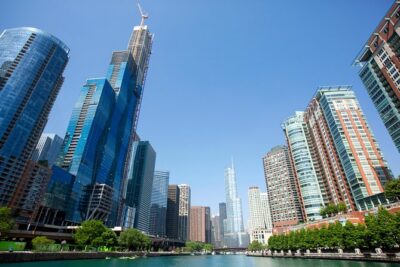
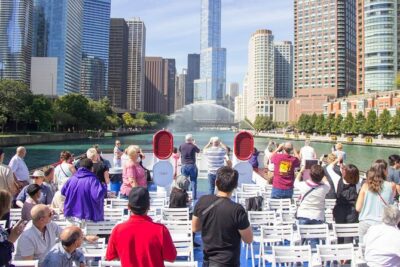
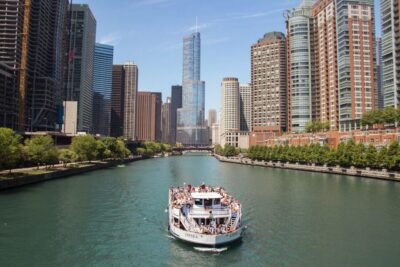
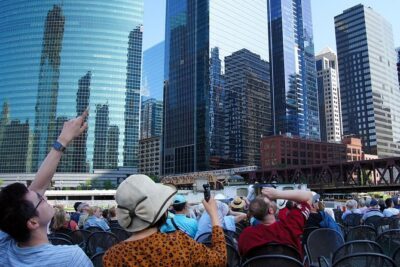
Chicago Architecture Center River Cruise aboard First Lady
Read our review →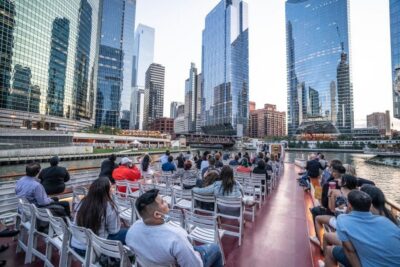
Architecture River Cruise Skip-the-Ticket Line
Read our review →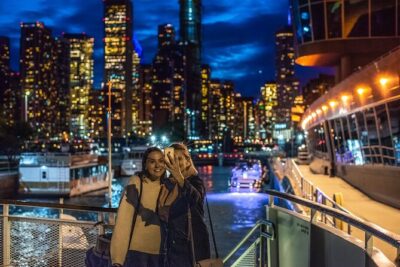
Chicago River 45-Minute Architecture Tour from Magnificent Mile
Read our review →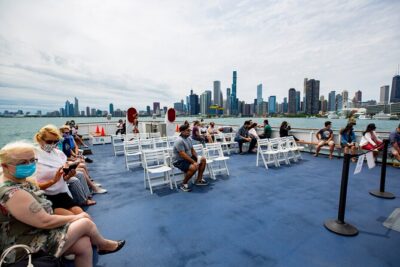
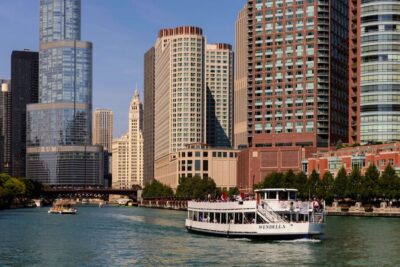
45-Minute Family-Friendly Architecture River Cruise
Read our review →Browse the lists this tour appears in