
Reviewed · CHICAGO LOOP & RIVER NORTH TOURS
Chicago Loop Walking Tour
Chicago’s best sights often hide in plain sight. This two-hour walk turns the Loop’s grand interiors, mosaics, and historic facades into a readable story, beginning beneath the world’s largest Tiffany dome at the Chicago Cultural Center and ending at the Marquette Building.
I like the small maximum of 10 people, which gives you room to ask questions, and I like the way the guides connect architecture with social history instead of simply naming dates. The main drawback is physical: you’ll be on your feet for two hours, and the tour is not recommended for people with mobility issues.
In This Review
- Key points to know before booking
- Why this Loop walk works for a first Chicago visit
- Beginning beneath Chicago’s largest Tiffany dome
- From grand public rooms to the Loop’s hidden details
- Architecture explained through people and social change
- A genuinely small group changes the experience
- The walk’s pace, weather, and physical demands
- Is $60 a fair price?
- Ending at the Marquette Building
- Who should book this Chicago walking tour?
- Should you book it?
- FAQ
- Where does the Chicago Loop Walking Tour begin?
- Where does the tour end?
- What time does the tour start?
- How long does the walking tour last?
- How large is the group?
- Is admission to the Chicago Cultural Center included?
- What happens if I need to cancel?
Key points to know before booking
- The Chicago Cultural Center starts the tour with a spectacular Tiffany glass dome and Healy and Millet mosaics.
- The small group, capped at 10 people, keeps the walk personal and easier to hear.
- Guides such as Kevin, Marlin, and Keith bring strong Chicago knowledge and can respond to questions and interests.
- The route focuses on the Loop’s architecture, interiors, art, and social history, not just exterior photo stops.
- The tour costs $60 and lasts about two hours, making it useful for a first visit or a short Chicago stay.
- You need moderate fitness, weather-ready clothing, and a confirmed departure time with the local provider.
Why this Loop walk works for a first Chicago visit
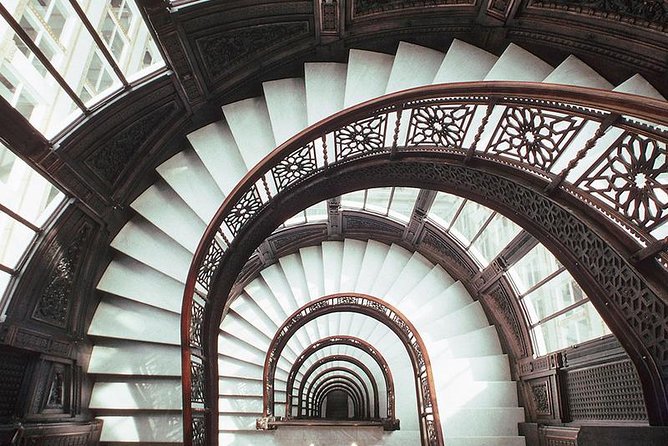
Chicago’s Loop is compact, but it can feel like a stack of disconnected buildings if you explore it alone. You may notice the elevated trains, limestone facades, office towers, and ornate entrances without understanding how they fit together. A good guide gives those pieces a timeline and a human story.
That is the strength of this walk. The focus is not only on famous architecture. You also hear about the city’s growth, the people connected to its buildings, and the changing role of downtown over time. The period covered in the tour can stretch from the 1670s through the 1970s, giving you a broad sense of how Chicago developed.
I especially like this approach for a short visit. If you have only two days in town, you can spend one morning getting oriented instead of trying to decode the Loop from a map. The tour may also send you back to buildings you passed earlier, this time with a reason to look up, step inside, and notice the details.
The 4.9 rating from 54 published ratings and the 98 percent recommendation rate point to a consistently strong experience. Still, those numbers do not remove the practical limits. This is a walking tour, not a seated architectural lecture, and the pace, route, and access to interiors can vary with weather and building conditions.
More of the Loop and River North:
- Chicago Loop District Food Tour with Deep Dish & Beef Sandwich
★ 5.0 · 870 reviews - Chicago Architecture Tour: Underground Pedway and the Loop
★ 5.0 · 388 reviews - The Escape Game Chicago: Epic 60-Minute Adventures in River North
★ 5.0 · 332 reviews
Beginning beneath Chicago’s largest Tiffany dome
The meeting point is the Chicago Cultural Center at 78 East Washington Street. The starting time is listed as 11:00 a.m., but you should contact Wild Onion Walks Chicago before the tour to schedule the departure time for your chosen date.
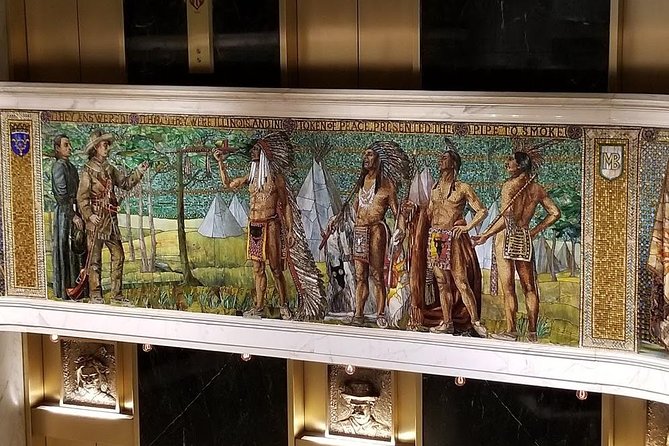
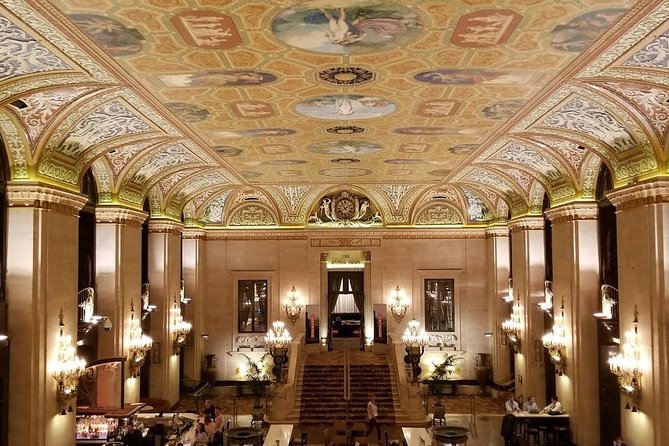
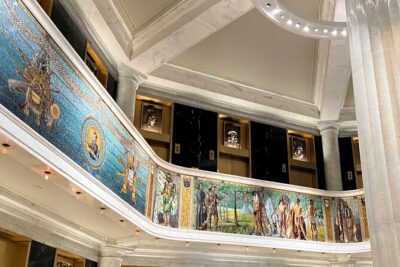
The Cultural Center is an excellent place to begin because the building gives you something striking to see before the walking even gets going. The interior includes mosaics and art glass by Healy and Millet, along with what is described as the largest Tiffany dome in the world. Admission to this stop is free.
Allow yourself a few minutes to arrive early. The Cultural Center can be easy to reach from public transportation, and arriving rushed would mean missing part of the opening setting. You are not paying an extra admission charge here, so the $60 price goes toward the guide’s time, planning, interpretation, and the rest of the route.
The dome is more than a quick photograph. It gives the guide a way to explain the care that went into Chicago’s civic interiors and the city’s taste for grand public spaces. Look closely at the glass and mosaics before the group moves on. Those details help set the pattern for the rest of the walk: buildings that reward attention from the inside.
From grand public rooms to the Loop’s hidden details
The tour covers the central Loop on foot and includes interiors of historic buildings when access allows. The exact sequence of stops is not fully specified, so you should think of the Cultural Center as the confirmed opening point rather than a complete stop-by-stop schedule.
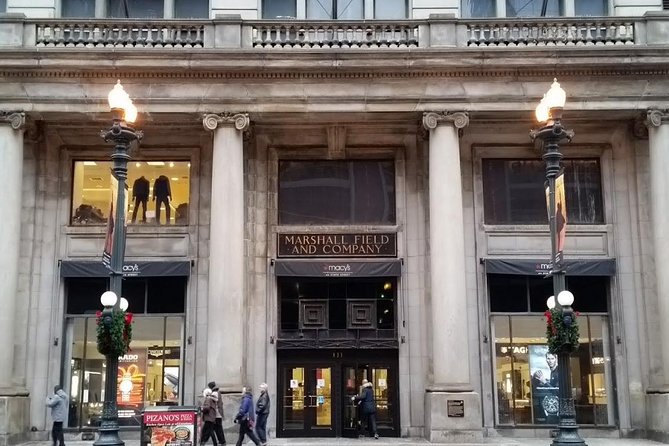
The strongest part of the route is its range. You may examine civic architecture, commercial buildings, and decorative interiors in one compact area. Past participants have found the former Chicago Public Library especially memorable, along with the Marshall Field’s Building. These are useful stops because they show different sides of downtown life and design.
The guide’s role matters here. Kevin receives the most repeated praise in the supplied material, with people describing him as warm, clear, enthusiastic, and deeply committed to Chicago. Marlin is also singled out for going beyond the basic route, while Keith Doerksen of Wild Onion Walks has led a particularly personal walk when group size was very small.
You cannot assume a particular guide will lead your date unless the provider confirms it. If Kevin’s style appeals to you, ask the local supplier when arranging your departure time. The guide may be able to shape the discussion around architecture, art, history, or other interests, though you should not treat customization as guaranteed.
Architecture explained through people and social change
Many city walks point at a building and give you its construction date. This one aims to explain why the building mattered. That difference is valuable because Chicago’s architecture is not only a collection of impressive facades. It reflects commerce, civic ambition, immigration, technology, wealth, and the changing use of downtown space.
The commentary combines architecture and local history with personal and social stories. That wider view helps the Loop feel less like a museum district and more like a working part of the city with layers of past use.
This is also a good choice if you enjoy details. One solo participant had a special interest in art and history, and the guide spent extra time pointing out features that might otherwise go unnoticed. Another person who already knew Chicago found the tour engaging, which suggests that the commentary can offer more than a basic introduction.
The English is described as easy to follow, even amid city noise, and one published account specifically recommends the walk for English learners. That does not mean every moment will be quiet. Downtown streets can be noisy, so stay near the guide and speak up if you miss a point.
More walking tours in Chicago:
- Chicago: Gangsters and Ghosts Walking Tour
★ 5.0 · 7,155 reviews - Chicago Favorites Ultimate Food and Walking Tour
★ 5.0 · 1,962 reviews - Chicago: Gangsters and Ghosts Guided Walking Tour
★ 4.7 · 1,697 reviews - Chicago in a Day: Food, History & Architecture Walking Tour
★ 5.0 · 1,153 reviews
A genuinely small group changes the experience
The maximum group size is 10. That is small enough for a guide to hear your questions and notice when the group needs a slower pace. Several walks have operated with only one participant, creating something close to a private tour, though you should not count on having the guide to yourself.
I see this as one of the tour’s best features. A large group can turn an interior visit into a struggle to hear. With 10 or fewer people, you have a better chance of seeing the details the guide is describing and getting an answer that goes beyond a prepared speech.
The format suits families, couples, solo visitors, and small groups of friends. It also works well for teenagers because the guide can connect buildings to people and events rather than delivering a string of technical terms. One family found the stories engaging for both adults and a teenager.
There is a tradeoff. Small groups often depend more on the interests and energy of the people present. If you prefer to stay silent and take photographs, a private museum visit may suit you better. If you like asking questions, this setup gives you room to do so.
The walk’s pace, weather, and physical demands
You should expect to walk and stand for approximately two hours. The tour requires a moderate level of physical fitness and is not recommended for people with mobility issues. The information provided does not specify the total distance, stairs, seating, or restroom access, so ask the provider if any of those details affect your plans.
Chicago weather can change the feel of the experience quickly. The tour is described as operating in all weather conditions, with a separate provision that poor weather can lead to cancellation, a new date, or a full refund. In plain terms, dress for the forecast and be ready for conditions to affect the route.
Wear comfortable shoes and bring suitable outerwear. A previous walk took place in unusually hot, humid weather, and the guide adjusted the pace to help the group. That is encouraging, but it is not a promise that every route can be altered extensively.
Cold weather deserves equal attention. A winter walk can be rewarding, especially with the chance to spend time inside historic buildings, but you will still be outdoors between stops. If the forecast looks rough, contact the provider rather than assuming the tour will proceed unchanged.
Is $60 a fair price?
At $60 per person, this is not the cheapest way to see downtown Chicago. You can walk the Loop independently for free, and many exterior sights cost nothing to view. The question is what you want to get beyond the street map.
The price is easier to justify if you value interpretation. You are paying for two hours with a local guide, access to the route’s selected interiors when available, and the chance to understand details you might miss alone. The Chicago Cultural Center itself has free admission, but the guide’s commentary turns it from a quick stop into part of a larger architectural story.
The value improves for a first-time visitor with limited time. A focused walk can help you decide which buildings, museums, neighborhoods, or tours deserve more attention later. It can also save you from wandering past significant places without realizing what you are seeing.
For a repeat Chicago visitor, the value depends on your interests. If you already know the Loop’s major buildings and prefer independent exploration, $60 may feel high. If you want interior details, social stories, and a guide who can answer questions, the cost is more reasonable.
Food, drinks, hotel pickup, and hotel drop-off are not included. Plan to eat before or after the walk and make your own way to the Cultural Center and from the Marquette Building.
Ending at the Marquette Building
The listed end point is the Marquette Building at 140 South Dearborn Street. Ending there keeps you in the central Loop, close to public transportation and other downtown sights.
The finish is practical. You can continue exploring on foot, find lunch, or return to your hotel using transit. Since the tour does not include transportation, you should plan your route before the start and avoid scheduling a time-sensitive attraction immediately afterward.
The Marquette Building also gives the walk a clear closing point rather than leaving you somewhere vague in the middle of downtown. Ask the guide for suggestions about nearby sights if time allows, but remember that the formal tour ends there.
Who should book this Chicago walking tour?
I would choose this walk if you want to understand Chicago rather than simply photograph it. It suits first-time visitors, people with only a short stay, architecture fans, history students, and anyone who enjoys asking questions.
Families can benefit from the small group and story-based approach. Teenagers may respond better to the human side of the city than to a list of building names. Solo visitors also fit the format well, especially if they like conversation and want a more personal outing.
It is less suitable if you have mobility limitations, dislike standing, or want a broad bus tour covering many neighborhoods. The route is focused on the Loop, and the two-hour length gives you depth in one area rather than a quick look at all of Chicago.
Book at least a day ahead if your schedule is tight. The tour is often reserved well in advance, with an average booking time of 49 days. Free cancellation is available until 24 hours before the start time. Cancellations or changes inside that window are not refunded or accepted, except when poor weather causes the provider to cancel.
Should you book it?
Book this tour if you want a compact, personal introduction to Chicago’s Loop, with architecture, art, civic buildings, and social history tied together by a local guide. The Tiffany dome, small group, and strong guide-led storytelling give the experience more substance than a simple downtown stroll.
I would skip it only if you need a fully accessible route, dislike walking in uncertain weather, or prefer to explore at your own pace. For most first visits, $60 is a fair price for two hours of context that can make the rest of Chicago easier to see.
FAQ
Where does the Chicago Loop Walking Tour begin?
It begins at the Chicago Cultural Center, 78 E Washington St, Chicago, Illinois 60602.
Where does the tour end?
The listed end point is the Marquette Building at 140 S Dearborn St, Chicago, Illinois 60603.
What time does the tour start?
The listed start time is 11:00 a.m. You should contact Wild Onion Walks Chicago before the tour to schedule the departure time on your selected date.
How long does the walking tour last?
The tour lasts approximately two hours.
How large is the group?
The tour has a maximum of 10 participants.
Is admission to the Chicago Cultural Center included?
Yes. Admission to the Chicago Cultural Center is free, and the tour includes a visit featuring its mosaics, Healy and Millet art glass, and Tiffany dome.
What happens if I need to cancel?
You can receive a full refund if you cancel at least 24 hours before the local start time. Cancellations or changes made less than 24 hours before the start time are not accepted for a refund. If poor weather causes the experience to be canceled, you will be offered another date or a full refund.
Just added in Chicago
- Chicago: Architecture and Engineering Marvels Walking Tour★ 5.0 · 3 reviews
- Private Downtown Chicago TV and Movie Sites Guided Walking Tour★ 4.5 · 3 reviews
- Black Heritage Tour★ 5.0 · 3 reviews
- Private SUV Transfer from Chicago Downtown to Midway airport★ 5.0 · 3 reviews
- Private Holiday City Tour★ 5.0 · 3 reviews
- BYOB Chicago River Guided History Tour★ 5.0 · 4 reviews
- Chicago 4-Hour Sightseeing Transfer by Luxury SUV★ 4.5 · 3 reviews
- Chicago, Cloud Gate, Grant Park Full-Day City Tour★ 4.0 · 4 reviews
Chicago Loop & River North Tours, compared.

Chicago Loop District Food Tour with Deep Dish & Beef Sandwich
Read our review →
Chicago Architecture Tour: Underground Pedway and the Loop
Read our review →
The Escape Game Chicago: Epic 60-Minute Adventures in River North
Read our review →

Walking Tour: Historic Chicago Pubs in River North and the Loop
Read our review →
Chicago Loop: Art, Skyscrapers, Millennium Park & “The Bean”
Read our review →
Chicago Foods Tour with The Loop, Skyline, Millennium Park
Read our review →Browse the lists this tour appears in