
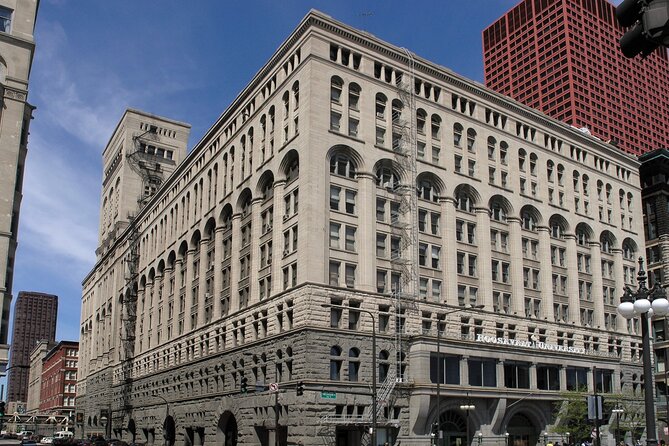
Reviewed · CHICAGO ARCHITECTURE TOURS
Chicago Walking Tour: Historic Skyscrapers
Chicago’s early skyscrapers tell the story of a city testing the limits of steel, stone, glass, and height. This 90-minute Loop walk links several major buildings in a compact route, with a certified Chicago Architecture Center guide explaining why each one matters.
I like the small group, capped at 10, because it gives you a better chance to hear the guide and ask questions. I also like the included Chicago Architecture Center gallery admission, which adds value after the walk. The main drawback is that the tour is not recommended for young children, and weekend or holiday schedules may limit access to some interiors.
In This Review
- Key points
- Why Chicago’s early skyscrapers make a good walking tour
- Starting at the Fine Arts Building
- The Auditorium Building and Chicago’s grand public face
- The Rookery Building and the rewards of looking closely
- The Board of Trade brings a different mood
- The Marquette Building and details you might miss alone
- The Monadnock Building marks the finish
- Interior access is useful but not guaranteed
- What the $35 price really buys you
- Who will enjoy this walk most
- A practical plan for the day
- Should you book the Historic Skyscrapers walk?
- FAQ
- How long does the Chicago Historic Skyscrapers tour last?
- How much does the tour cost?
- Where does the tour begin?
- Where does the tour end?
- How many people can join the tour?
- Which buildings are included on the route?
- Is admission to the Chicago Architecture Center included?
- Are building interiors guaranteed?
- Can I cancel for a full refund?
Key points
- Seven important stops: See the Fine Arts Building, Auditorium Building, Rookery, Board of Trade, Marquette, Monadnock, and Chicago Architecture Center.
- A genuinely small group: The maximum of 10 people keeps the presentation personal and easier to follow.
- Guides bring the buildings to life: Guides such as Deborah, Audrey, and Angela Platt have been praised for clear explanations, passion, and insight into architectural styles.
- Mostly an exterior tour: Interior access can change because of weekend schedules, holidays, or unexpected closures.
- Good value for architecture fans: The $35 price includes the walking tour and admission to the Chicago Architecture Center galleries.
- A useful short tour: The route works well if you have limited time in Chicago and want a focused introduction to the Loop.
Why Chicago’s early skyscrapers make a good walking tour
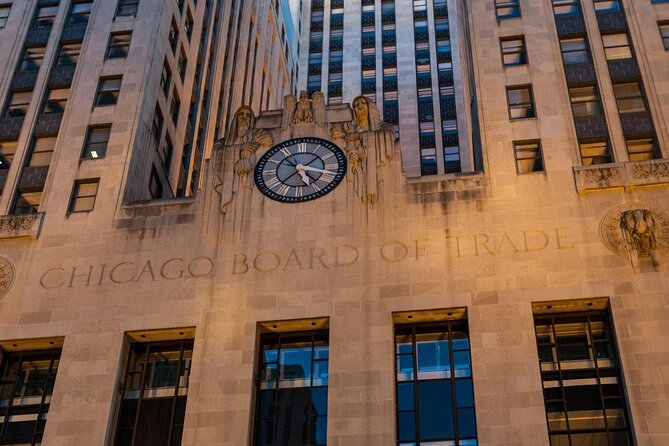
Chicago is at its best when you look up. The Loop can feel like a canyon of office towers, but this walk helps you notice the older buildings hidden among the newer ones. The focus is on late 19th and early 20th-century skyscrapers, when architects and builders were working out how a tall city should look and function.
You will not simply pass a building, take a photo, and move on. Your guide explains the people, design choices, and construction ideas behind the facades. That context matters here. A plain-looking wall can become much more interesting once you understand why it was built that way.
The route is also well chosen for a short tour. You begin at 410 South Michigan Avenue and finish at the Monadnock Building at 53 West Jackson Boulevard. In about an hour and a half, you see several buildings that helped define Chicago architecture without committing half a day to a much longer walk.
The guides are Chicago Architecture Center-certified. Names associated with especially well-received tours include Deborah, Audrey, and Angela Platt. The exact guide depends on the date, but you can expect a formal architectural focus rather than a general city sightseeing talk.
More architecture tours in Chicago:
- Chicago Architecture River Cruise
★ 5.0 · 15,756 reviews - Chicago River 90-Minute Architecture Tour
★ 4.5 · 9,629 reviews - Chicago River: 1.5-Hour Guided Architecture Cruise
★ 4.8 · 8,046 reviews
Starting at the Fine Arts Building
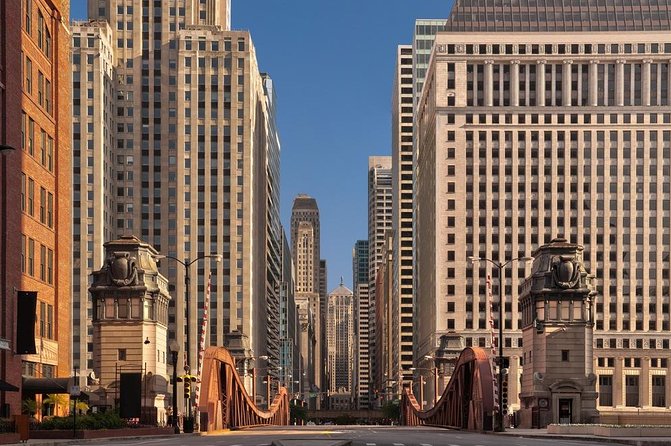
The Fine Arts Building is the meeting point at 410 Michigan Avenue. Plan to arrive with enough time to find the entrance and gather before the tour begins. The first stop lasts about 10 minutes, so this is more than a quick roll call before the walk gets moving.
The building gives the guide an immediate way to introduce Chicago’s architectural story. You begin among early high-rise landmarks rather than spending time on a long transfer from a distant neighborhood. That makes the opening efficient, especially if this is your first morning in the Loop.
This is also a useful spot for setting expectations. The tour is not a museum visit at every stop. Some buildings are viewed from the street, and access inside can change without notice. If you have come hoping to inspect every lobby, keep your plans flexible.
The Auditorium Building and Chicago’s grand public face
The Auditorium Building is viewed from outside for about 10 minutes. It gives the tour a chance to move beyond the idea that skyscrapers were only practical office machines. Chicago’s early architecture also had to serve public, cultural, and civic purposes.
Your guide can point out the building’s exterior details and explain how its design fits into the larger development of the city. This is where the walking format helps. You can study the facade from the sidewalk while hearing what to look for, rather than trying to decode it alone from a guidebook paragraph.
The stop is short, but that is a strength if you have limited time. You get a clear introduction without lingering too long at one building. The tradeoff is that anyone wanting a lengthy architectural lecture may find the pace brisk.
The Rookery Building and the rewards of looking closely
The Rookery Building is one of the tour’s major highlights. You view it from outside for roughly 10 minutes, with the guide explaining its place among Chicago’s oldest skyscrapers.
This is the sort of stop where a guide can make a large difference. From the street, you may first notice the scale and decoration. With direction, you can pay attention to the arrangement of the facade, the relationship between ornament and structure, and the way the building reflects changing ideas about commercial architecture.
The Rookery is also a good example of why this tour suits architecture fans more than casual sightseers. You need some interest in design, building styles, or city history to get the most from the commentary. If your main goal is simply to see Chicago from a tall observation deck, this is not that kind of experience.
More walking tours in Chicago:
- Chicago: Gangsters and Ghosts Walking Tour
★ 5.0 · 7,155 reviews - Chicago Favorites Ultimate Food and Walking Tour
★ 5.0 · 1,962 reviews - Chicago: Gangsters and Ghosts Guided Walking Tour
★ 4.7 · 1,697 reviews - Chicago in a Day: Food, History & Architecture Walking Tour
★ 5.0 · 1,153 reviews
The Board of Trade brings a different mood
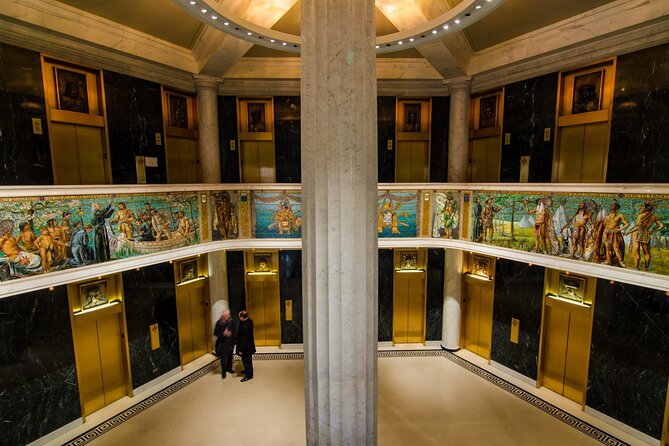
The Chicago Board of Trade Building receives about five minutes, with the exterior as the focus. Its presence changes the tone of the route. After several earlier buildings, you begin to see how Chicago architecture developed different visual identities for different parts of city life.
Your guide can help you compare the Board of Trade with the other landmarks rather than treating each stop as an isolated photo opportunity. That comparison is one of the tour’s best features. You hear how styles, materials, and purposes vary from building to building.
Five minutes is enough for an explanation and a look, but not enough for a long stop. I would treat this as part of a broad architectural survey. You are sampling several important structures in one walk, not studying one building from every angle.
The Marquette Building and details you might miss alone
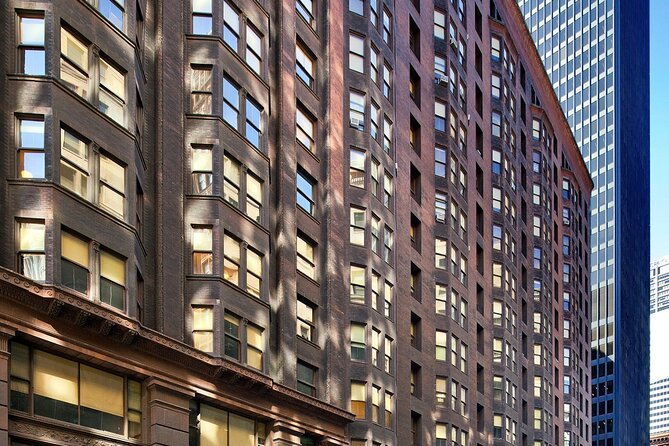
The Marquette Building is another exterior stop, lasting about five minutes. It rewards careful attention to decorative details and gives the guide another chance to compare styles across the Loop.
This is where the small group matters. With only up to 10 people, it is easier to stay close to the guide and hear the explanation amid city sounds. A larger group can turn a sidewalk presentation into a hunt for the speaker. This setup should feel more like a guided conversation, even though the exact amount of discussion depends on the group and guide.
The tour’s most praised quality is the guides’ ability to make design understandable. Angela Platt, Audrey, and Deborah have each been singled out for passion, insight, and strong presentations. You do not need an architecture degree to follow along, but you should be ready to pay attention to the details around you.
The Monadnock Building marks the finish
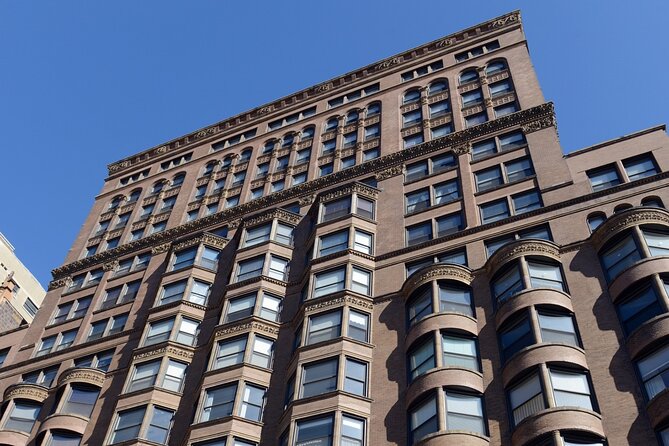
The walk ends at the Monadnock Building, where you spend about five minutes viewing the exterior. This is a practical endpoint at 53 West Jackson Boulevard, and it gives the route a clear finish in the southern part of the Loop.
By this point, the buildings should begin to make more sense as a group. You have seen different approaches to height, ornament, function, and civic presence. The final stop works best as a closing comparison, not as a separate full tour of the building.
Because the tour ends here rather than returning to the starting point, you should plan your next activity from the Monadnock Building. The starting and ending locations are several blocks apart, so this is not a circular walk. That is helpful if you are continuing through the Loop, but less convenient if you need to return to your hotel near Michigan Avenue.
Interior access is useful but not guaranteed
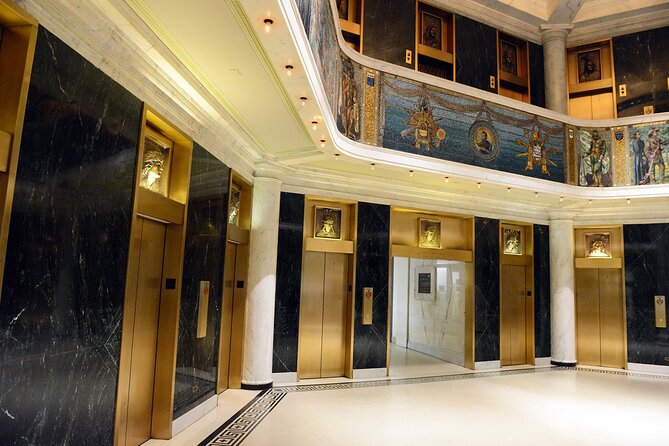
The tour is promoted around historic skyscrapers, but most listed stops are exterior views. Access to interiors featured on the route may change because of weekend and holiday schedules, building policies, or unexpected closures.
That point deserves attention. One Sunday tour had some buildings closed, so you should not book this expecting guaranteed entry into every lobby. The tour still works as an outdoor architecture walk, but interior access can add another layer when it is available.
The Chicago Architecture Center galleries are included in the ticket. The center is not a full walking-tour stop in the same way as the buildings, but the admission gives you a place to continue learning after the route ends. If you are serious about Chicago architecture, allow extra time for the galleries instead of rushing away as soon as the walk finishes.
What the $35 price really buys you
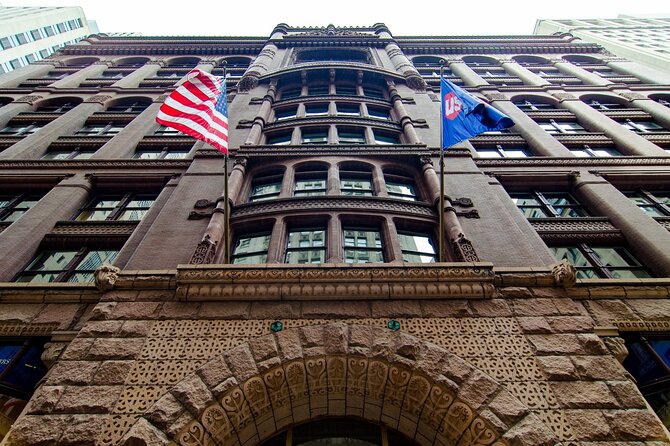
At $35 per person, this is not the cheapest way to walk through the Loop. You could pass many of these buildings on your own for free. The value comes from the guide’s interpretation, the compact route, the small group, and the included Chicago Architecture Center gallery admission.
I think the price is fair if you care about architecture or have only a short time in Chicago. A good guide can help you notice details that would otherwise pass by, and the route covers several major landmarks without requiring a full-day commitment.
The value is weaker if you prefer to move at your own pace or are mainly interested in entering buildings. Since much of the tour takes place outside, you are paying for explanation and organization rather than admission to a series of interiors.
The tour is booked, on average, about 20 days ahead. That suggests you should reserve early if your Chicago dates are fixed, especially since the group is limited to 10 people. Mobile ticketing keeps the process simple, and confirmation arrives at booking.
Who will enjoy this walk most
I would choose this tour for an architecture fan, a first-time Chicago visitor who wants useful city context, or anyone with one free morning or afternoon in the Loop. It is also a good fit if you like learning through buildings rather than sitting in a formal lecture.
The route is particularly useful for people with limited time. One of the strongest guide comments came from someone who had only a short stay in Chicago, and that makes sense. The walk gathers many important landmarks into one focused experience.
It is not recommended for young children. The subject matter requires listening, and the pace is built around architectural explanation rather than games or hands-on activities. Pets are not allowed, though service animals are permitted.
Most people can participate, and the tour is near public transportation. Food and drinks are not included. Coat check, luggage storage, and stroller storage are also not provided, so arrive ready to walk with only what you need.
A practical plan for the day
Wear comfortable shoes and check the weather before you go. Ninety minutes is not a long walk, but you will be outdoors for much of it, and the city streets can make the pace feel more demanding than the clock suggests.
Keep your mobile ticket ready and meet at the Fine Arts Building. Since the end point is at the Monadnock Building, think of the tour as a one-way connection through the Loop. It can fit neatly before a meal, a museum visit, or another downtown stop.
If interiors matter to you, ask about current access at the start. Schedules can change, and the guide may need to adjust the plan. A flexible attitude will help you enjoy the tour even if a building is closed.
Free cancellation is available up to 24 hours before the start time for a full refund. Changes or cancellations made less than 24 hours before the start are not accepted for a refund.
Should you book the Historic Skyscrapers walk?
Book it if you want a focused introduction to Chicago architecture, prefer a small group, and value a guide who can explain what you are seeing. The included Architecture Center gallery admission strengthens the deal, and the route is efficient for a short visit.
Skip it if you want guaranteed interior access, a relaxed family activity for young children, or a general overview of modern Chicago rather than early skyscrapers. The tour is best when you are willing to look closely, listen, and accept that some buildings may be exterior-only.
For architecture lovers, $35 is a sensible price for the route, the certified guide, and the gallery admission. Reserve ahead, wear good shoes, and treat the walk as a lesson in how Chicago learned to build upward.
FAQ
How long does the Chicago Historic Skyscrapers tour last?
The tour lasts approximately 1 hour and 30 minutes.
How much does the tour cost?
The price is $35 per person.
Where does the tour begin?
The tour begins at the Fine Arts Building, 410 South Michigan Avenue, Chicago, Illinois 60611.
Where does the tour end?
The tour ends at the Monadnock Building, 53 West Jackson Boulevard, Chicago, Illinois 60604.
How many people can join the tour?
The tour has a maximum of 10 travelers.
Which buildings are included on the route?
The route includes the Fine Arts Building, Auditorium Building, Rookery Building, Chicago Board of Trade Building, Marquette Building, and Monadnock Building. Admission to the Chicago Architecture Center galleries is also included.
Is admission to the Chicago Architecture Center included?
Yes. The tour price includes admission to the galleries at the Chicago Architecture Center.
Are building interiors guaranteed?
No. Access to interiors may change because of weekend and holiday schedules, unforeseen closures, or other building access changes.
Can I cancel for a full refund?
Yes. You can cancel at least 24 hours before the experience start time for a full refund. Cancellations or changes made less than 24 hours before the start are not accepted for a refund.
More History Walks in Chicago
- Chicago: Field Museum of Natural History Ticket or VIP Tour
★ 4.7 · 717 reviews - Field Museum of Natural History Admission Tickets
★ 4.5 · 489 reviews - Chicago Walking Tour: Historic Treasures of Chicago
★ 5.0 · 362 reviews - Historical and Architectural Chicago Fireboat River & Lake Cruise
★ 5.0 · 246 reviews
Just added in Chicago
- Private Downtown Chicago TV and Movie Sites Guided Walking Tour★ 4.5 · 3 reviews
- Chicago: Architecture and Engineering Marvels Walking Tour★ 5.0 · 3 reviews
- Black Heritage Tour★ 5.0 · 3 reviews
- Private SUV Transfer from Chicago Downtown to Midway airport★ 5.0 · 3 reviews
- Private Holiday City Tour★ 5.0 · 3 reviews
- BYOB Chicago River Guided History Tour★ 5.0 · 4 reviews
- Chicago 4-Hour Sightseeing Transfer by Luxury SUV★ 4.5 · 3 reviews
- Chicago, Cloud Gate, Grant Park Full-Day City Tour★ 4.0 · 4 reviews
Chicago Architecture Tours, compared.
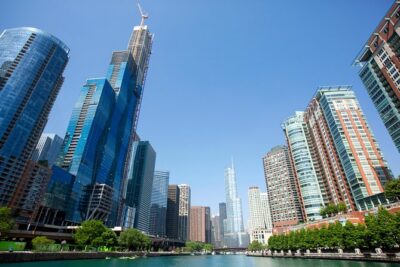
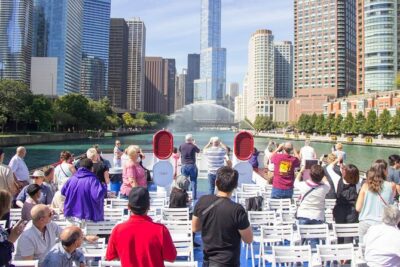
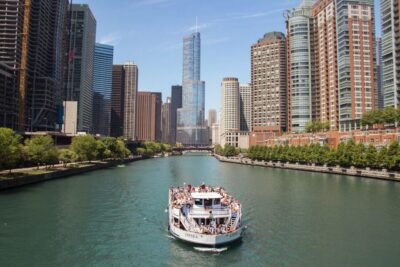
Chicago Architecture Center River Cruise aboard First Lady
Read our review →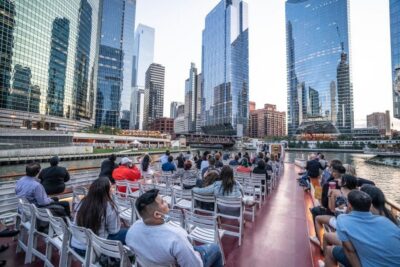
Architecture River Cruise Skip-the-Ticket Line
Read our review →
Chicago River 45-Minute Architecture Tour from Magnificent Mile
Read our review →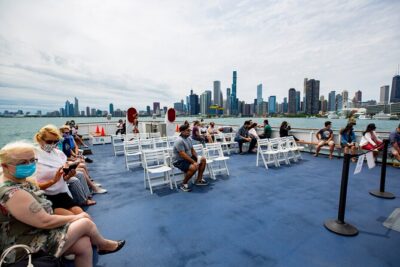
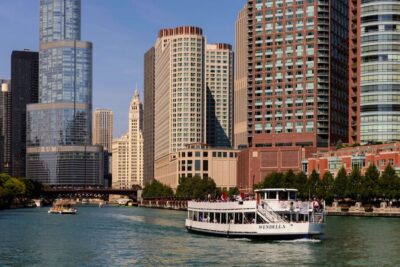
45-Minute Family-Friendly Architecture River Cruise
Read our review →Browse the lists this tour appears in