
Reviewed · CHICAGO GANGSTER & PROHIBITION TOURS
Chicago Gangsters and Movies Tour
Chicago’s movie-set streets and mob lore come together on this 90-minute walk through the Loop. You’ll trace scenes from The Dark Knight, The Fugitive, The Blues Brothers, Ferris Bueller’s Day Off, and The Untouchables while hearing stories about Al Capone, John Dillinger, and the Chicago Outfit.
I like the mix of film locations and real crime history, and I like that the route includes beautiful interiors such as the Rookery Building and Chicago Cultural Center. The main thing to consider is the brisk walking pace, plus the need to find the start outside the Chase building at 238 N State Street.
In This Review
- Key points to know
- Why this Chicago tour works
- Finding 238 North State Street
- Stop one: Chicago Riverwalk movie scenes and mob stories
- Stop two: River North tunnels and John Dillinger
- Stop three: The Picasso and Chicago’s civic center
- Stop four: The Rookery Building and Chicago’s office-world drama
- Stop five: The Art Institute and Chicago’s cultural mile
- Stop six: The Chicago Theatre and Al Capone connections
- Stop seven: Chicago Cultural Center and The Untouchables
- Guide Andre and the group experience
- Who will get the most from this $35 walk
- Timing, comfort, and practical value
- Should you book the Chicago Gangsters and Movies Tour?
- FAQ
- How long is the Chicago Gangsters and Movies Tour?
- What time does the tour begin?
- Where does the tour begin?
- Where does the tour end?
- Is this a walking tour?
- Is the route accessible?
- Are service animals allowed?
- What language is the tour offered in?
- How many people can join the tour?
- Are admission tickets included?
- Are photos included?
- What is the cancellation policy?
Key points to know
- Seven central Chicago stops: The route runs from the Riverwalk to the Chicago Cultural Center, with no vehicle used.
- Movies with real history: Film scenes share the route with stories tied to Al Capone, John Dillinger, and the Chicago Outfit.
- Guide Andre leads the walk: He is praised for his clear explanations, enthusiasm, and ability to speak slowly for people who need it.
- Excellent for mixed-age groups: The storytelling is designed to keep children, parents, and grandparents involved.
- Indoor relief along the way: The Rookery Building, Art Institute area, Chicago Theatre, and Cultural Center provide breaks from the weather.
- Small-group format: The maximum is 25 people, and the tour includes souvenir photos.
Why this Chicago tour works
Most city walks ask you to choose between architecture, movie locations, or crime history. This one links all three. You might be looking at the Chicago River and hearing about a mob story, then turning to a building used in a major film. The result is less like a lecture and more like a moving city puzzle.
I especially like the way the subject matter gives familiar places a second layer. The Picasso sculpture is not only a famous downtown meeting point. The Rookery Building is not only a masterpiece of Chicago architecture. The Chicago Cultural Center is not only a handsome former library. Each place carries a connection to film or crime stories, and the guide uses those connections to keep the walk moving.
At $35 per person, the price is reasonable for a focused tour in central Chicago. You are paying for a guide-led experience rather than admission to a museum or attraction, and every stop has free entry. The value depends on your interests: film fans and true-crime followers will get more from the commentary than someone who wants a general introduction to Chicago.
The tour is offered in English, begins at 2:00 p.m., and takes about an hour and a half. I would treat it as a compact afternoon activity, not a full city sightseeing tour.
More gangster and Prohibition history:
- Chicago: Gangsters and Ghosts Walking Tour
★ 5.0 · 7,155 reviews - Chicago Crime and Mob Bus Tour
★ 4.5 · 3,186 reviews - Chicago: Gangsters and Ghosts Guided Walking Tour
★ 4.7 · 1,697 reviews
Finding 238 North State Street
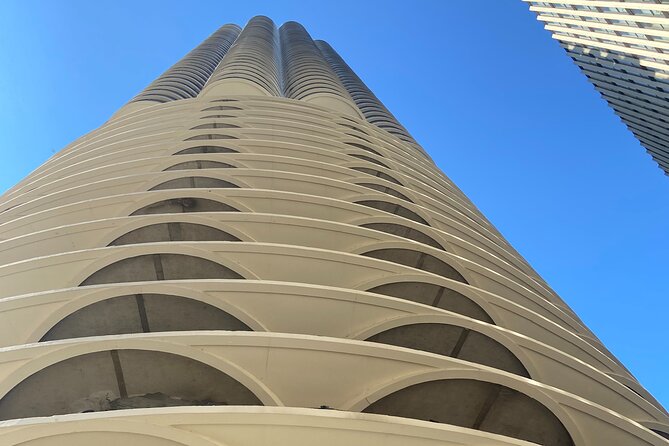
The meeting point is 238 N State Street, near the Chicago Riverwalk. The most useful landmark is the Chase building, just up from the Chicago Theatre. The exact corner can be easy to miss in a busy downtown block, so I would arrive a few minutes early and use the building and theater as your bearings.
The route begins near one of the city’s most photographed waterways. From there, you walk south through central Chicago and finish at 78 E Washington Street, inside or beside the Chicago Cultural Center area. The end point is close to Millennium Park, the Bean, and the Riverwalk, so you can continue sightseeing after the tour without arranging transport.
There is no vehicle. You need to be comfortable walking at a steady pace for 90 minutes. The route is described as fully accessible, and service animals are allowed. Since much of the route is outdoors, weather still matters. One useful advantage is that several stops include indoor spaces, which can make a cold afternoon easier.
Stop one: Chicago Riverwalk movie scenes and mob stories
The first 15 minutes take place around 238 N State Street and the Riverwalk. This gives the guide a strong opening: you are standing beside a major Chicago landmark that has appeared in many films while hearing stories connected to the city’s criminal past.
The Riverwalk is a good place to begin because it makes the movie theme immediately visible. You can recognize the broad city setting, the river, and the bridges from screen images. At the same time, the stories about mob activity give the view a harder edge.
This stop is free, as are all the stops on the route. You are outside for this section, so bring a coat in cool weather and shoes suitable for pavement. The short time here keeps the opening lively rather than turning it into a long history talk.
Stop two: River North tunnels and John Dillinger
The next 10-minute section moves into River North. Here the focus shifts to underground tunnels associated with the Chicago Outfit and the last time John Dillinger saw his girlfriend.
That pairing shows the tour’s method well. You get a physical clue, the tunnels, alongside a specific personal story tied to a famous criminal figure. The guide is not simply naming old gangsters. He is connecting people and places, which makes the history easier to picture.
Movie fans also get references to The Dark Knight and The Fugitive. If you have seen either film, this part should add a useful location-based layer. If you have not, the stop still works because the historical material does not depend on knowing every movie.
The itinerary lists about 10 minutes here. That means you should expect a concise explanation, not a long visit underground or an interior tour of tunnels. The information describes tunnels used by the Chicago Outfit, but it does not promise entry into them, so think of this as a storytelling stop.
More film and TV locations in Chicago:
- Ferris Bueller Movie Tour at the Art Institute of Chicago
★ 5.0 · 26 reviews - Downtown Chicago TV and Movie Sites Guided Walking Tour
★ 4.5 · 23 reviews - Downtown Chicago TV & Movie Filming Locations Walking Tour
★ 4.8 · 21 reviews - Chicago: Mobsters and Movies Walking Tour
★ 4.9 · 7 reviews
Stop three: The Picasso and Chicago’s civic center
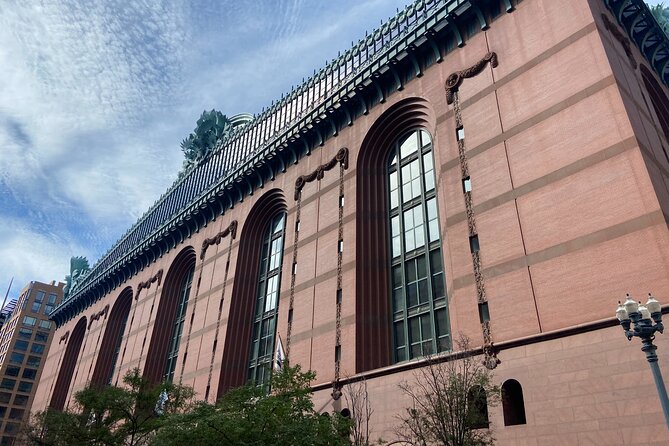
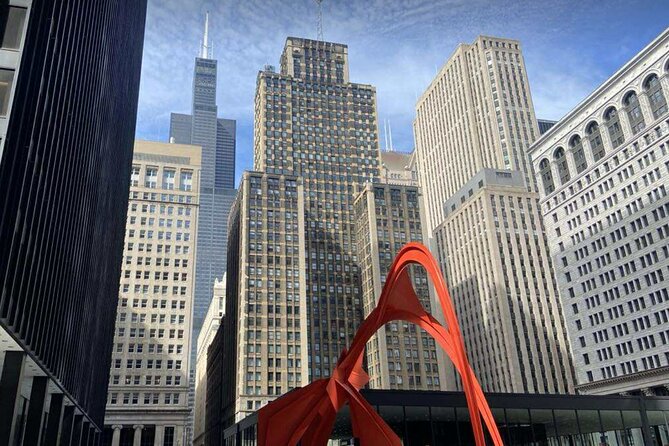
At The Picasso, the tour pauses for about 10 minutes. This large downtown sculpture is an easy meeting place and a useful setting for discussing how Chicago’s civic center has appeared on film.
The screen connections include The Fugitive, The Blues Brothers, and Ferris Bueller’s Day Off. Those movies represent very different versions of Chicago, from action drama to broad comedy to a playful day around the city. Seeing the locations in person helps you understand how directors use the same streets for very different moods.
The guide also connects the area to true-crime figures and the city’s centers of power. I like that contrast. You are not being taken only to glamorous movie scenery. You are also being reminded that government buildings, offices, and public squares have been part of Chicago’s less polished stories.
This is an open public stop with no admission charge. The Picasso can be busy, so stay close to the guide and listen for the next location cue.
Stop four: The Rookery Building and Chicago’s office-world drama
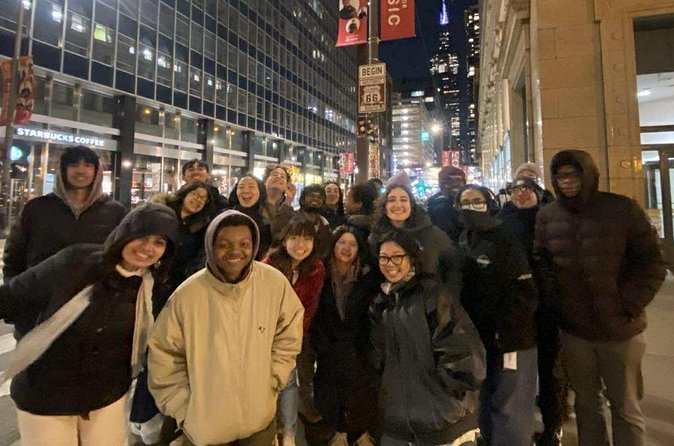
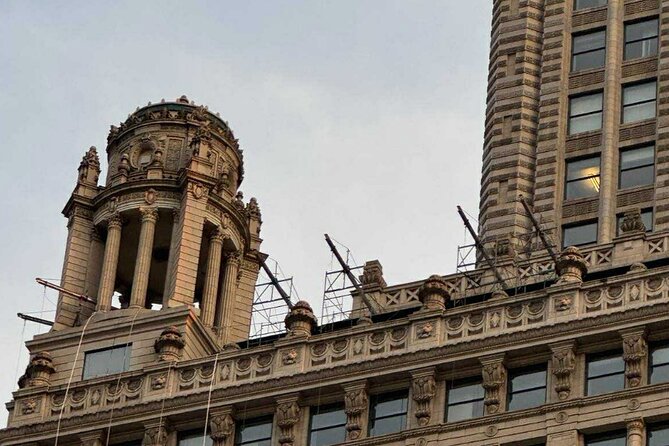
The Rookery Building receives about 15 minutes, making it one of the longer stops. That extra time matters because the building brings architecture into the tour, not just outdoor film locations.
The Rookery is used as a backdrop for scenes connected with The Dark Knight and The Untouchables. You will also hear about famous Chicago mob characters while looking at one of the city’s notable historic business buildings.
The interior is a major reason this stop adds value. A movie location is more satisfying when you can appreciate the actual building rather than simply stand outside and take a photograph. The indoor setting also offers a break from wind, cold, or light rain.
Do keep expectations sensible. The tour is not presented as a full architectural study or a private access visit. The building is one part of a fast-moving walk, with the guide balancing its design, movie use, and crime stories in a short period.
Stop five: The Art Institute and Chicago’s cultural mile
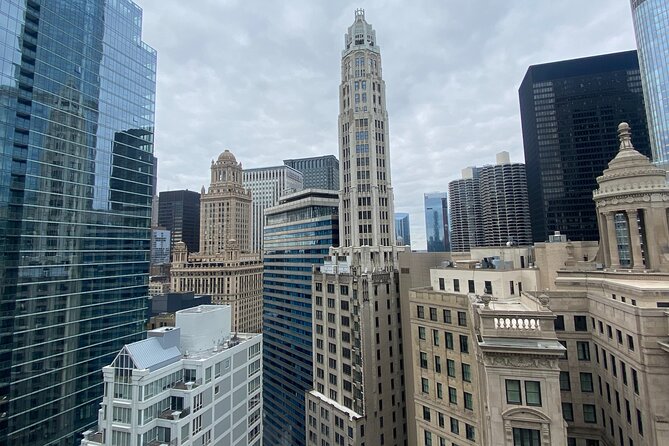
The Art Institute of Chicago area gets another 15-minute segment. Instead of treating the museum as a separate attraction, the tour places it within the story of Chicago’s cultural mile and several famous crimes.
This stop is useful if you plan to visit the Art Institute later. The guide explains how to make better use of a museum visit by pointing out artworks that appear in famous movies. That is practical advice, especially if you have limited time and do not want to wander through every gallery without a plan.
The discussion also broadens the tour beyond gangsters and shootouts. Chicago’s cultural institutions, public art, and major museums are part of the city’s identity, and films often use them to signal wealth, power, or sophistication.
Admission to the Art Institute is not included. The tour talks about the museum and its art, but it does not function as an Art Institute entry ticket or guided museum visit. If you want to go inside afterward, plan that as a separate activity.
Stop six: The Chicago Theatre and Al Capone connections
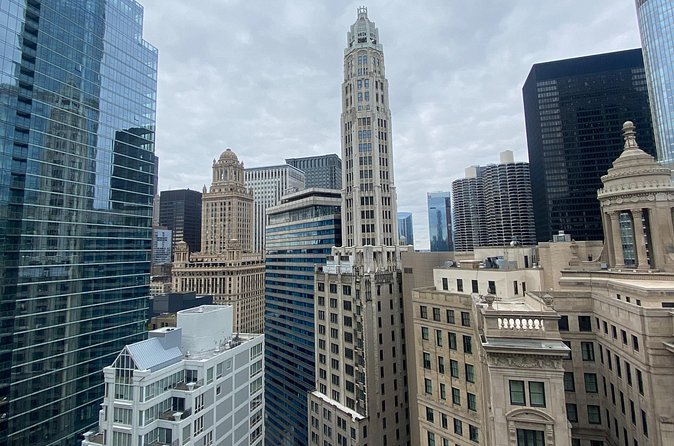
The Chicago Theatre receives about 10 minutes. Its marquee and facade are among the most recognizable sights downtown, and the stop adds a strong entertainment angle to the crime stories.
You will hear about Al Capone’s connection to Chicago history, along with the theater’s use in Public Enemies and The Dark Knight. The building has also been tied to live music and comedy recordings, so this is not only a film stop. It shows how one venue can serve as a setting for both real performances and fictional action.
The location is close to the tour’s starting point, which makes the earlier meeting-point advice especially useful. If you arrive by the Chicago Theatre and then walk toward the Chase building, you should be in the right area, but the start is not at the theater itself.
This section is short. Expect a few focused stories and location context rather than an extended theater tour.
Stop seven: Chicago Cultural Center and The Untouchables
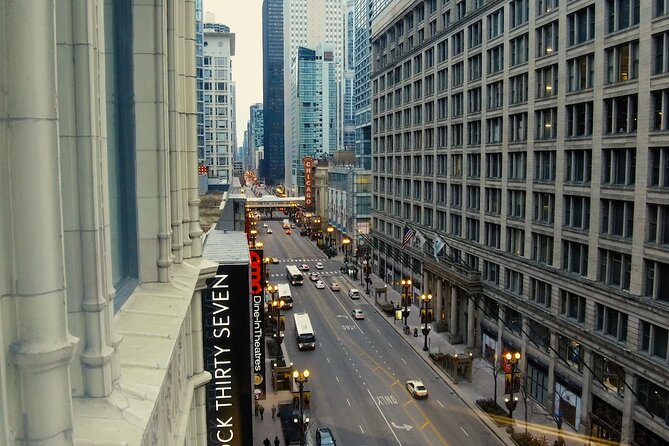
The tour ends at the Chicago Cultural Center after about 10 minutes. This is one of the strongest finales because the building connects the mobster and movie themes in a single place.
The Cultural Center is the filming location for the climactic scene in The Untouchables. That gives the final stop a clear dramatic payoff, especially if you know the film. Even without that background, the building itself rewards a look inside.
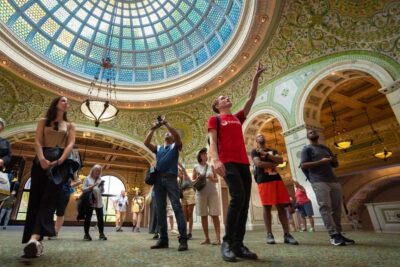
You can see architectural details from the former Chicago Public Library, including the world’s largest Tiffany glass dome, along with other art exhibits. This is a fine place to end because the tour finishes indoors, near Millennium Park and the Bean.
The final location is at 78 E Washington Street. Afterward, you are well placed for more downtown sightseeing, a museum visit, or a return toward the Riverwalk. The tour description notes a short walk between the end area and the starting point, which is helpful if you need to retrace your route.
Guide Andre and the group experience
Guide Andre is the named guide associated with the tour, and his approach is an important part of the experience. He is described as enthusiastic, responsive to questions, and able to adjust his speaking speed for people who are less comfortable with English.
That matters because the tour covers many names and references in a short time. You move from the Chicago Outfit to John Dillinger, then from Ferris Bueller’s Day Off to The Untouchables. Clear delivery helps keep the stories from blurring together.
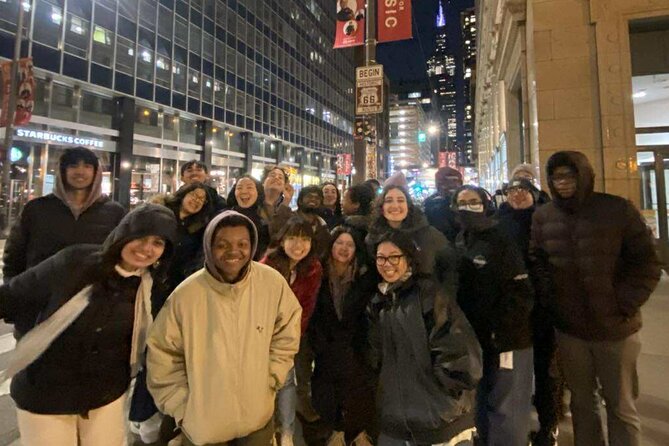
The maximum group size is 25 people. That is not a private tour, but it is small enough to feel more manageable than a large city walk. The experience is also designed to work for mixed ages. Children, parents, and grandparents can follow it because the guide uses movies, recognizable buildings, and colorful crime stories rather than relying only on dates.
Souvenir photos are included. That is a pleasant extra, though I would still bring your own camera if you want detailed shots of the buildings and city views.
Who will get the most from this $35 walk
I would choose this tour for three kinds of people:
- Movie fans: The route includes several well-known Chicago film locations, with references to action films, comedies, crime dramas, and superhero movies.
- True-crime history fans: The stories include Al Capone, John Dillinger, the Chicago Outfit, and other crime figures tied to the route.
- First-time downtown visitors: You see the Riverwalk, The Picasso, the Rookery, the Art Institute area, the Chicago Theatre, and the Cultural Center in one compact outing.
Families can also make good use of it. The mix of movies and crime stories gives adults and children different points of interest, though parents should decide if the gangster material suits younger children.
I would not pick it if you want a slow architecture tour, a museum admission, or a general overview of all Chicago neighborhoods. It stays in the central downtown area and moves quickly between seven stops.
Timing, comfort, and practical value
The 2:00 p.m. start works well as a bridge between lunch and an evening plan. At roughly 90 minutes, the tour is short enough to fit around a museum visit, but substantial enough to give you a clear theme and route through downtown.
At $35, the cost is fair because you receive a live guide, a carefully linked route, historical storytelling, movie-location context, and souvenir photos. Since no admission tickets are included, the value comes from the interpretation and the access to places you might otherwise pass without noticing.
I would wear comfortable walking shoes and allow extra time to find the start. The route is accessible, service animals are allowed, and most people who can walk at a normal pace can participate. Still, the tour is not a vehicle ride and does not offer a seated way to cover the route.
Free cancellation is available if you cancel at least 24 hours before the 2:00 p.m. start. Changes or cancellations made inside that window are not accepted for a refund.
Should you book the Chicago Gangsters and Movies Tour?
Book it if you want Chicago stories with a strong sense of place. The best feature is the combination of real crime figures and movie scenes, especially when the route brings you inside places such as the Rookery Building and Chicago Cultural Center.
I would recommend it most to film fans, true-crime followers, families with mixed interests, and visitors who want a short downtown walk that feels different from a standard architecture tour. The main caution is simple: you need to walk outdoors at a steady pace, and the $35 fee does not cover entry to the Art Institute or other paid attractions.
If you can arrive early at the Chase building, enjoy an English-language tour, and like stories about how Chicago has been portrayed on screen, this is a worthwhile way to spend a downtown afternoon.
FAQ
How long is the Chicago Gangsters and Movies Tour?
The tour lasts approximately 1 hour and 30 minutes.
What time does the tour begin?
The tour starts at 2:00 p.m.
Where does the tour begin?
The meeting point is 238 N State Street, Chicago, Illinois 60601, near the Chicago Riverwalk and outside the Chase building.
Where does the tour end?
The tour ends at 78 E Washington Street, Chicago, Illinois 60602, at the Chicago Cultural Center.
Is this a walking tour?
Yes. It is a walking tour, and no vehicle is provided.
Is the route accessible?
The route is described as fully accessible for people who can comfortably walk at a walking pace.
Are service animals allowed?
Yes, service animals are allowed.
What language is the tour offered in?
The tour is offered in English.
How many people can join the tour?
The maximum group size is 25 people.
Are admission tickets included?
No admission tickets are included. The listed stops have free admission, but entry to the Art Institute of Chicago is not included.
Are photos included?
Yes. Souvenir photos are included.
What is the cancellation policy?
You can cancel at least 24 hours before the experience start time for a full refund. Cancellations or changes made less than 24 hours before the start time are not accepted for a refund.
Just added in Chicago
- Chicago: Architecture and Engineering Marvels Walking Tour★ 5.0 · 3 reviews
- Private Downtown Chicago TV and Movie Sites Guided Walking Tour★ 4.5 · 3 reviews
- Black Heritage Tour★ 5.0 · 3 reviews
- Private SUV Transfer from Chicago Downtown to Midway airport★ 5.0 · 3 reviews
- Private Holiday City Tour★ 5.0 · 3 reviews
- BYOB Chicago River Guided History Tour★ 5.0 · 4 reviews
- Chicago 4-Hour Sightseeing Transfer by Luxury SUV★ 4.5 · 3 reviews
- Chicago, Cloud Gate, Grant Park Full-Day City Tour★ 4.0 · 4 reviews
Chicago Gangster & Prohibition Tours, compared.


Prohibition Speakeasies Bus Tour or Walking Tour
Read our review →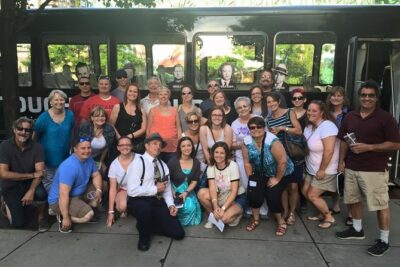
Prohibition-Era Culture & Architectural Treasures
Read our review →
Explore Chicago’s Hidden Past: Prohibition Culture & Architecture
Read our review →Browse the lists this tour appears in