
Reviewed · WALKING TOURS
Chicago: Must See Chicago 90 minute Walking Tour
Chicago’s architectural story comes into focus quickly on this 90-minute downtown walking tour. Starting at the Chicago Architecture Center, you move through the Loop, along the Chicago River, and toward Millennium Park while a CAC-trained guide explains why Chicago became a world center for skyscraper design.
I like the way the route links famous buildings with the city’s growth, instead of treating each façade as a pretty object with no story. I also like the included CAC admission, which gives you a useful model of the city after the walk. The main drawback is simple: this is an architecture tour, and due to current restrictions you do not go inside the buildings along the route.
In This Review
- Key points at a glance
- Why this short walk works so well in Chicago
- Starting at the Chicago Architecture Center
- The Chicago Loop and its older faces
- The Chicago River and the city’s vertical rise
- From Beaux Arts detail to Art Deco drama
- Modern towers and Chicago’s changing skyline
- Millennium Park and the final stretch
- The Chicago Architecture Center after the walk
- What to bring and what to leave behind
- Who should book this Chicago architecture walk?
- Should you book it?
- FAQ
- How long is the Chicago Must See walking tour?
- Where does the tour begin?
- What buildings and landmarks are covered?
- Is admission to the Chicago Architecture Center included?
- Can I bring luggage, a stroller, or a pet?
- Does the tour run in bad weather?
Key points at a glance
- Three sides of downtown: Connect the Chicago Loop, Chicago River, and Millennium Park in one compact walk.
- Many architectural eras: See Beaux Arts, Art Deco, Modernist, and Post-Modernist work in a single outing.
- CAC-trained guides: Guides such as Claudia, Paige, Anna, Howard, and Lori have been praised for clear explanations and strong storytelling.
- CAC admission included: Visit the center’s exhibits within seven days of the tour, including its huge Chicago scale model.
- Good short introduction: The 90-minute length helps you get your bearings without using up a full day.
- Prepare for the pavement: Wear comfortable shoes, bring a camera, and leave luggage and large bags elsewhere.
Why this short walk works so well in Chicago
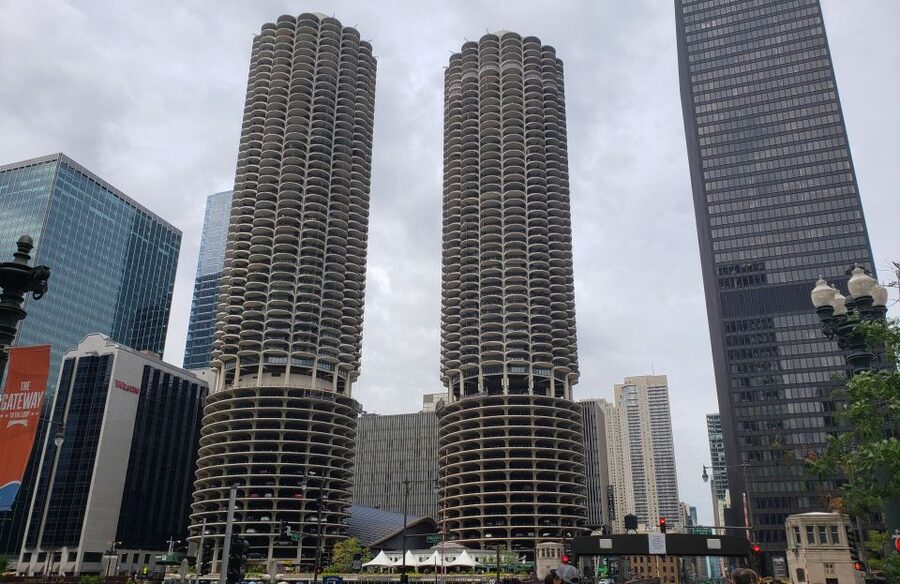
Chicago can feel like an open-air architecture museum, but the scale of downtown makes it hard to know where to look first. A walk like this gives you a framework. Instead of seeing a forest of tall buildings, you begin to notice dates, materials, setbacks, ornament, and the practical problems each architect was trying to solve.
The route focuses on three major downtown areas. The Loop represents the historic core. The Chicago River explains the city’s commercial and transport life. Millennium Park shows how Chicago continues to use public space, art, and new construction to shape its identity.
At $35 per booking for a group of up to one, the price is most attractive if you are booking for yourself under the stated rate. The value improves because entry to the Chicago Architecture Center is included, normally priced at $15. You are paying not just for a walk, but for a compact lesson in Chicago design plus a museum-style visit you can use within seven days.
I would not choose this tour if you want interior access, a long architectural lecture, or a specialist visit to a single building. I would choose it if you want a clear first look at downtown and enough context to make later sightseeing more meaningful.
More walking tours in Chicago:
- Chicago: Gangsters and Ghosts Walking Tour
★ 5.0 · 7,155 reviews - Chicago Favorites Ultimate Food and Walking Tour
★ 5.0 · 1,962 reviews - Chicago: Gangsters and Ghosts Guided Walking Tour
★ 4.7 · 1,697 reviews
Starting at the Chicago Architecture Center
You meet at the Chicago Architecture Center and should arrive 15 minutes before departure. Present your ticket at the box office, then get ready for an English-language walk led by a local guide trained through the center’s program.
That training matters. The best part of a city architecture tour is not naming buildings. It is explaining what changed from one period to the next, why certain materials were used, and how a building fits into the city around it. Guides such as Claudia, Paige, Anna, Howard, and Lori have been praised for being prepared, flexible, and enthusiastic without rushing the group.
One particularly useful feature is the mix of architecture, art, and Chicago history. You are not simply moving from one famous tower to another. The guide connects the buildings to the city’s development and points out details you could easily miss on your own.
The exact group size can vary. One departure was described as a solo experience, while another praised the group size as ideal. That means the tone may depend on the day, but the format allows room for questions and conversation.
The Chicago Loop and its older faces
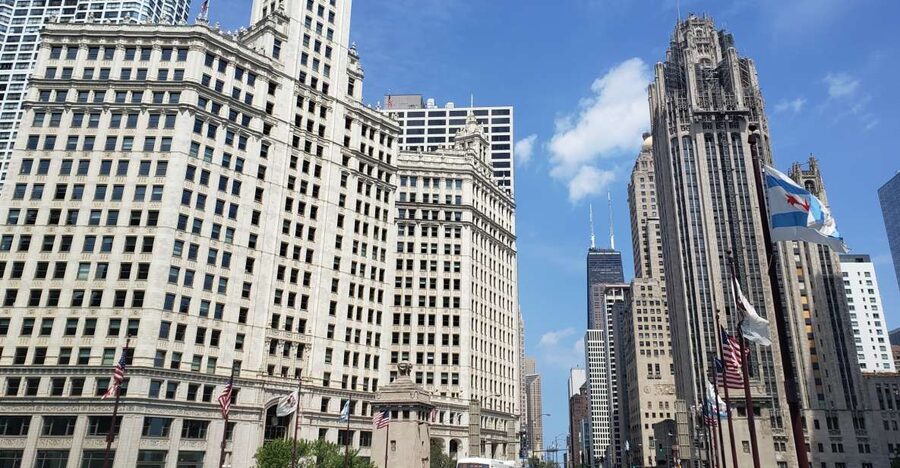
The Loop is the historic heart of the route, and it gives you the strongest sense of Chicago’s architectural range. Here, classical references sit close to tall modern towers, creating the visual contrast that makes downtown so rewarding on foot.
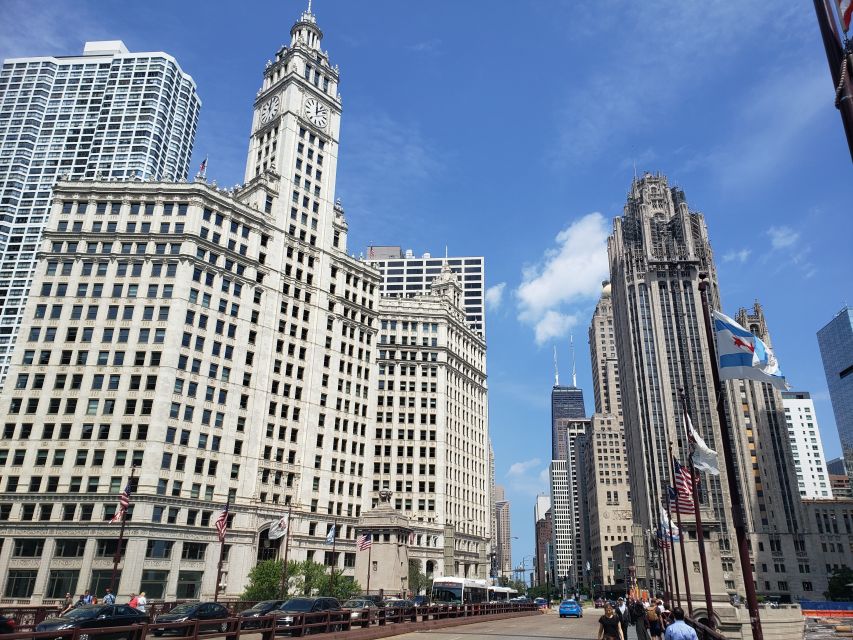
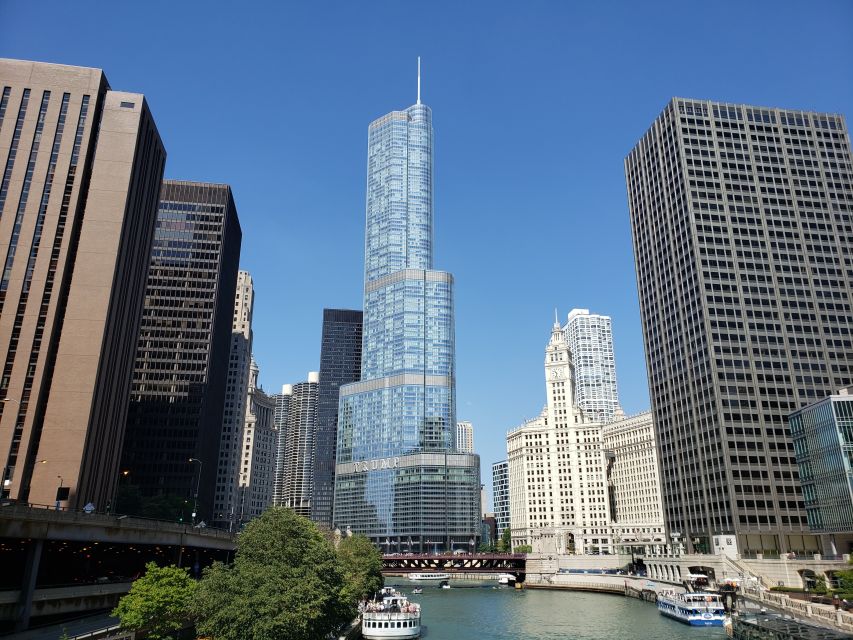
The Wrigley Building is one of the most recognizable stops. Its design pays homage to classical traditions, with a carefully ordered exterior that helped make it a landmark along the river corridor. Your guide can use it to explain how older architectural ideas remained popular even as Chicago pushed toward greater height.
Nearby, the Tribune Building carries another classical influence. Its presence helps show that early skyscrapers were not always designed as bare steel-and-glass machines. Many were given a strong base, middle, and top, along with ornament meant to make their great height feel more familiar.
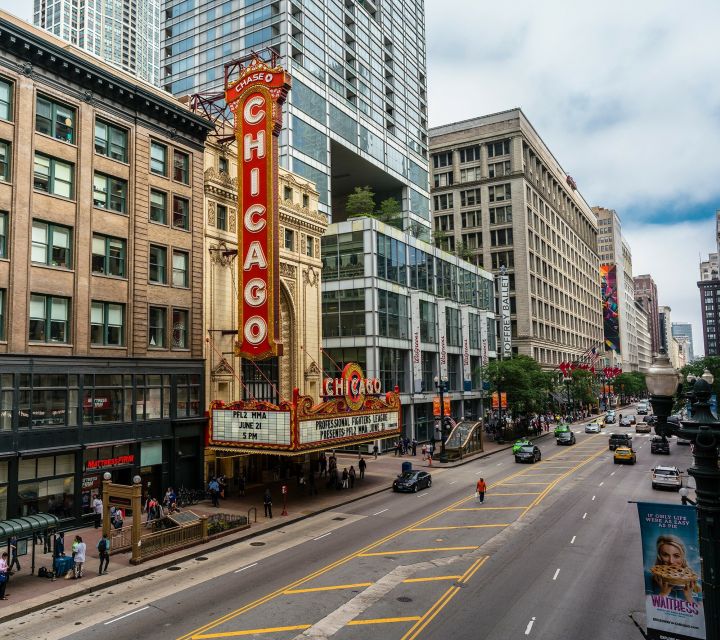
The Chicago Theatre brings a different kind of history to the route. Its elaborate exterior is tied to Chicago’s entertainment culture, and it helps broaden the tour beyond office towers. You get a reminder that architecture shapes public life as much as it houses businesses.
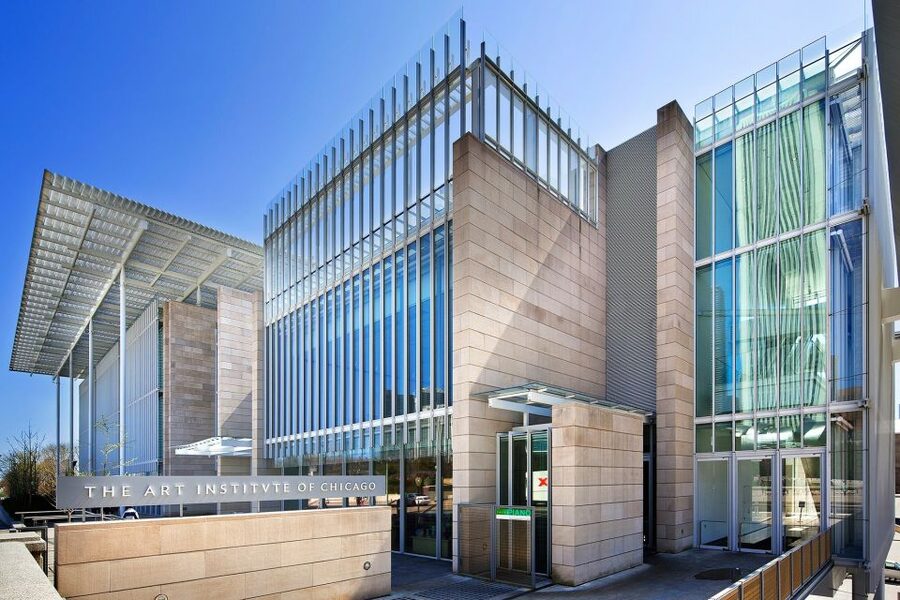
The Art Institute of Chicago adds another important stop. Even from the outside, its classical style gives you a useful point of comparison with the more experimental buildings around it. The tour does not include a visit inside the Art Institute, so plan a separate admission if you want to see its galleries.
I especially like this part of the route for first-time visitors. You see major landmarks without having to plan a complicated series of stops, and the guide gives you a way to tell them apart afterward.
The Chicago River and the city’s vertical rise
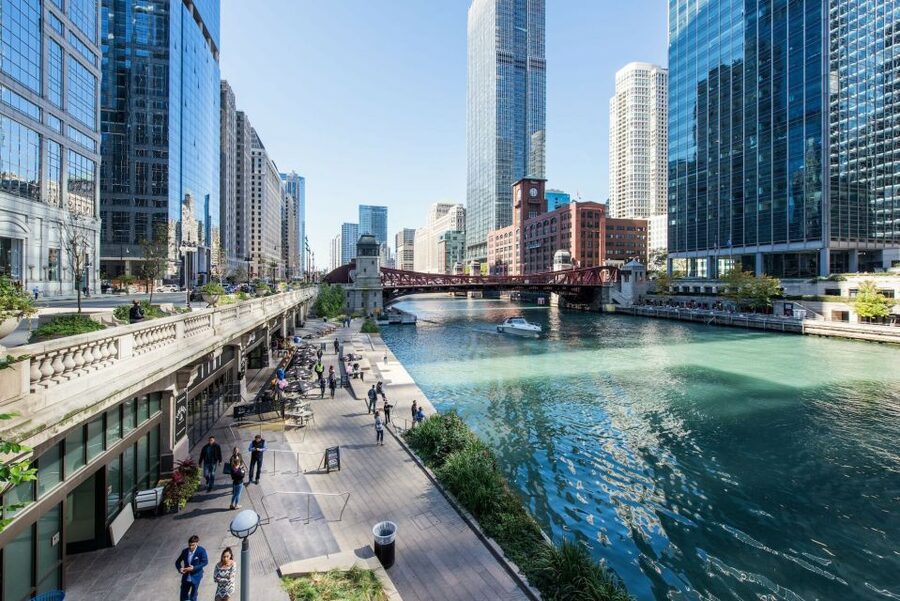
The Chicago River is more than a scenic backdrop. It is one of the tour’s three main focal points and a key part of understanding why downtown developed where it did.
Along the river, the buildings appear especially dramatic because the water opens up long views of their façades. This is one of the better places to bring a camera. You can frame several generations of construction in a single stretch, from classically influenced landmarks to tall modern towers.
The river also helps explain Chicago’s relationship with commerce and movement. The tour describes it as the lifeblood of the city, and that idea gives the walk a useful link between geography and architecture. The buildings are not scattered at random. Their location reflects how the river supported the city’s growth.
The route includes the AON Building, one of the major modernist skyscrapers covered on the walk. Its clean, tall form offers a sharp contrast with the ornament of buildings such as the Wrigley and Tribune structures.
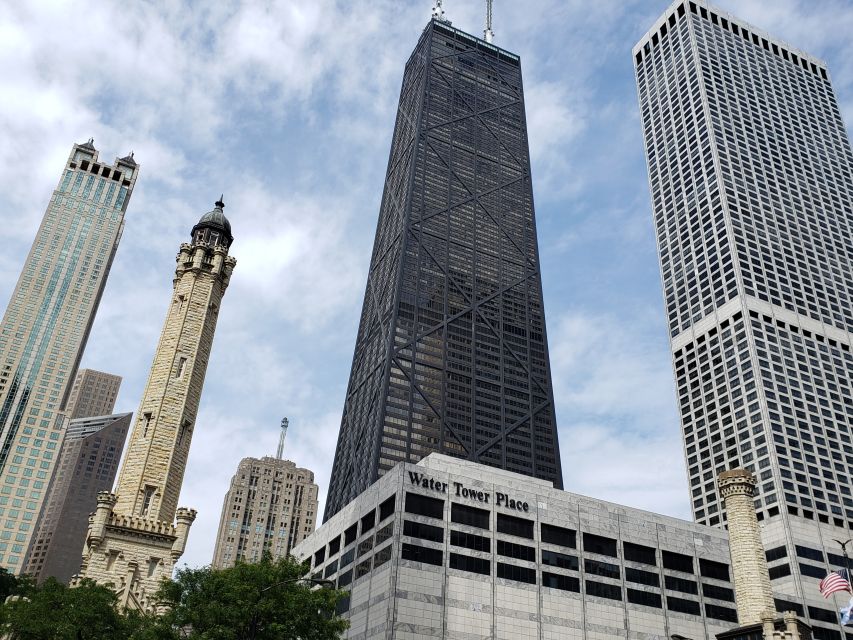
You also see the former John Hancock Center, now commonly identified as 875 North Michigan Avenue, and Willis Tower. These towers represent Chicago’s push toward new heights and new construction methods. They are familiar from skyline photographs, but seeing them from street level lets you appreciate their scale in a more direct way.
There is a practical limitation here. The tour stays outside the buildings, so you will not ride to an observation deck or inspect a lobby interior as part of the experience. The payoff is the street-level comparison, not a view from above.
A different way to spend an afternoon in Chicago:
- Chicago Architecture River Cruise
★ 5.0 · 15,756 reviews - Chicago River 90-Minute Architecture Tour
★ 4.5 · 9,629 reviews - Chicago River: 1.5-Hour Guided Architecture Cruise
★ 4.8 · 8,046 reviews - Chicago Architecture Center River Cruise aboard First Lady
★ 5.0 · 5,536 reviews
From Beaux Arts detail to Art Deco drama
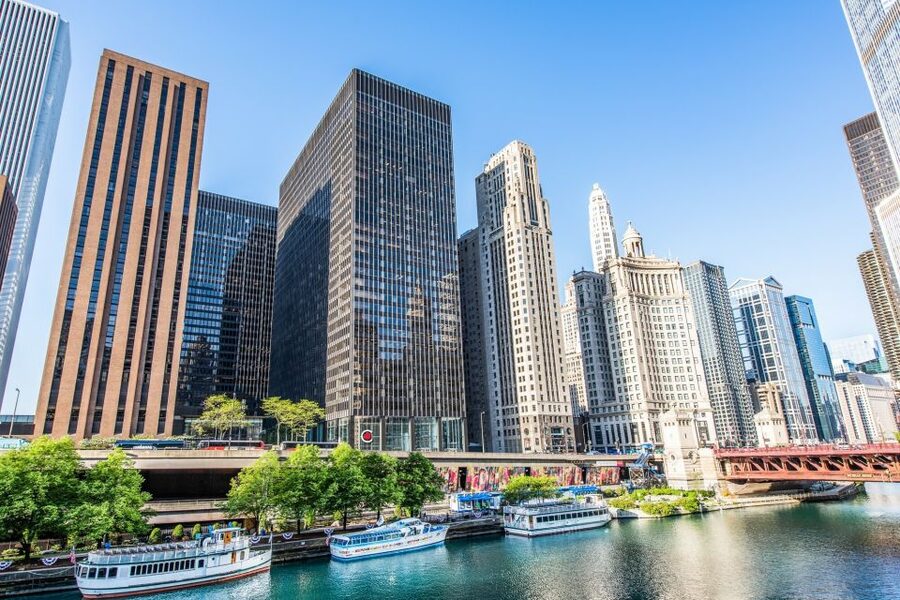
One of the tour’s strongest teaching points is the variety packed into a small downtown area. You can move from buildings inspired by European classical forms to Art Deco designs that announce a more machine-age confidence.
The Carbide & Carbon Building is a memorable Art Deco example. Its dark exterior and bright upper detailing give it a distinctive presence, and it looks very different from the pale classical buildings nearby. This is a good stop for learning how Art Deco used geometry, contrast, and polished materials to create a sense of luxury and modernity.
The Chicago Board of Trade Building adds another powerful Art Deco landmark. Its design reflects the confidence of the period and gives the guide a chance to explain how architecture could express business power. It is also one of the buildings that makes the route especially worthwhile for visitors interested in decorative detail.
You will see many photo opportunities throughout this section. I would take a few wide shots, then look upward for smaller details around entrances, rooflines, and corners. Chicago rewards people who stop staring straight ahead.
Because the tour covers a lot in 90 minutes, the time at each building is necessarily limited. You get an overview rather than a full lecture on every structure. If one building catches your attention, note its name and return later for a closer look.
Modern towers and Chicago’s changing skyline
The route also brings you face to face with more recent skyscrapers, including Aqua and Trump Tower. These buildings show how Chicago’s skyline continues to change rather than freezing in one famous period.
Aqua is especially useful for comparing modern design with the straight vertical lines of older towers. Its unusual exterior creates a very different street impression and shows how balconies, curves, and residential needs can shape a tall building.
Trump Tower offers another recent addition to the riverfront skyline. Whatever your interest in its name or ownership, its scale and placement make it part of the modern downtown story. The guide uses newer buildings to show that Chicago architecture is not only about the early skyscraper era.
The tour’s coverage of Modernist and Post-Modernist work gives you a broad vocabulary. You may not leave able to identify every architect or structural system, but you will have a better sense of why one building feels severe, another decorative, and another playful.
This is also where expectations matter. The experience is designed as an overview of must-see architecture. It does not promise access to private spaces, construction areas, or detailed engineering demonstrations. Think of it as a well-organized introduction, not a technical course.
Millennium Park and the final stretch
Millennium Park provides a lively closing point, with public art and major downtown buildings gathered around a popular civic space. The iconic Bean sculpture is one of the main sights here, and it gives you an easy photo stop toward the end of the walk.
The park helps balance the tour. Much of the route is about office towers and commercial buildings, while Millennium Park shows how public art and open space can change the way people experience the city.
You should also expect crowds around the Bean and allow patience for photographs. The tour gives you the chance to see the sculpture, but it is not a dedicated Millennium Park photography session. If you want quiet pictures, return at another time.
Ending near the park is useful for the rest of your day. You can continue sightseeing in the downtown area, visit the Art Institute separately, or return to the Chicago Architecture Center before its included admission window expires.
The Chicago Architecture Center after the walk
The CAC visit is more than a minor bonus. It helps organize the information you have just heard outside.
The exhibits cover Chicago neighborhoods, housing types, major architects, and future projects. That wider view is valuable because the walking route concentrates on downtown landmarks. The center helps you see how architecture extends beyond the famous towers.
The highlight is the large-scale Chicago model, made up of more than 4,250 miniature buildings. A cinematic backdrop animates important moments in the city’s past, giving you a visual sense of how Chicago grew and changed.
The center is described as small, but it is packed with useful material. Interactive elements and the film make it approachable even if you are not an architecture enthusiast. I would visit either before the walk, if timing permits, or afterward while the buildings are still fresh in your mind.
Your ticket includes entry within seven days of the tour. That flexibility is helpful because you do not have to squeeze the exhibits into the same 90-minute appointment.
What to bring and what to leave behind

Wear comfortable shoes. The tour is short compared with a full-day city walk, but you will spend the entire experience outside and on your feet.
Bring a camera or use your phone. The route offers plenty of chances to photograph façades, skyline views, the river, public art, and small architectural details.
Tours run rain or shine, so check the forecast and dress for the day. A face mask or protective covering is listed among the items to bring.
Do not bring luggage or large bags. The Chicago Architecture Center cannot provide secure storage for luggage or strollers, and there is no coat check. Pets are not allowed, though assistance dogs are permitted.
There is also no hotel pickup or drop-off. You need to make your own way to the center and arrive 15 minutes early.
Who should book this Chicago architecture walk?
This tour suits first-time Chicago visitors who want a quick orientation before exploring on their own. It also works for repeat visitors. One person on a third Chicago trip still found new information, which says a lot about how much context a good guide can add to familiar sights.
It is a strong choice for anyone interested in city design, photography, urban history, or landmark buildings. Families and older visitors may appreciate the manageable 90-minute format, though everyone should be ready for outdoor walking and should leave strollers and luggage elsewhere.
I would be cautious about booking it if your main goal is indoor architecture. You cannot enter the featured buildings during the tour, so the experience depends on street views and the guide’s explanations.
English is the only listed tour language. Free cancellation is available up to 24 hours before departure, and you can reserve now and pay later, which helps if your schedule is still changing.
Should you book it?
Book this tour if you want a clear, energetic introduction to Chicago’s architecture without spending half a day on a single attraction. The strongest reasons are the wide range of buildings, the three-part downtown route, and the guide training backed by the Chicago Architecture Center.
The included CAC visit adds real value, especially if you take time to study the city model and exhibits afterward. The main tradeoff is that the tour stays outdoors and covers architecture only, with no building interiors.
For $35 per booking up to one person, it is a sensible choice for a solo visitor seeking structure and context. Arrive early, wear good shoes, pack light, and use the walk as a starting point for exploring the Loop, riverfront, and Millennium Park on your own.
FAQ
How long is the Chicago Must See walking tour?
The walking tour lasts 90 minutes.
Where does the tour begin?
It begins at the Chicago Architecture Center. Arrive 15 minutes before departure and present your ticket at the center’s box office.
What buildings and landmarks are covered?
The route covers landmarks including Willis Tower, the John Hancock Center, the AON Building, the Wrigley Building, the Tribune Building, the Chicago Theatre, the Art Institute of Chicago, the Carbide & Carbon Building, the Chicago Board of Trade Building, Aqua, Trump Tower, and the Bean in Millennium Park.
Is admission to the Chicago Architecture Center included?
Yes. Your ticket includes admission to the center’s exhibits within seven days of the tour. The included admission is normally priced at $15.
Can I bring luggage, a stroller, or a pet?
Large bags, luggage, and pets are not allowed. The center does not provide secure storage for luggage or strollers. Assistance dogs are allowed.
Does the tour run in bad weather?
Yes. Tours depart rain or shine. Comfortable shoes and a face mask or protective covering are listed among the recommended items to bring.
Just added in Chicago
- Chicago: Architecture and Engineering Marvels Walking Tour★ 5.0 · 3 reviews
- Private Downtown Chicago TV and Movie Sites Guided Walking Tour★ 4.5 · 3 reviews
- Black Heritage Tour★ 5.0 · 3 reviews
- Private SUV Transfer from Chicago Downtown to Midway airport★ 5.0 · 3 reviews
- Private Holiday City Tour★ 5.0 · 3 reviews
- Chicago 4-Hour Sightseeing Transfer by Luxury SUV★ 4.5 · 3 reviews
- BYOB Chicago River Guided History Tour★ 5.0 · 4 reviews
- Chicago, Cloud Gate, Grant Park Full-Day City Tour★ 4.0 · 4 reviews
Walking Tours, compared.


Chicago Favorites Ultimate Food and Walking Tour
Read our review →
Chicago in a Day: Food, History & Architecture Walking Tour
Read our review →
Chicago’s Secret Interiors Architectural Walking Tour
Read our review →

Browse the lists this tour appears in