Reviewed · TOURS
The Chicago Theatre Tour Experience
The most memorable part of the Chicago Theatre Tour is the contrast between the huge six-story C-H-I-C-A-G-O sign outside and the ornate world inside. I like the chance to stand on the actual stage, where signatures from Frank Sinatra, Dean Martin, and Dolly Parton connect this beautiful building to real performers. I also like that guides may play the Wurlitzer organ, giving the tour a sound as well as a visual sense of the theatre’s past.
The main catch is timing. The tour is sold as one hour, but it can run to 75 or even 90 minutes, and event-day restrictions may mean no stage or dressing-room access. You also need the separate Ticketmaster ticket, not just your GetYourGuide confirmation.
In This Review
- Key things to know
- Starting beneath the famous Chicago Theatre sign
- The grand lobby and painted details
- Looking into the auditorium from a new angle
- Standing on the stage where artists left their mark
- Hearing the Wurlitzer organ
- Backstage areas and the Rockettes connection
- Why the one-hour format works, and where it does not
- Practical details before you arrive
- Who will get the most from this theatre visit
- Is the Chicago Theatre Tour worth $30?
- FAQ
- How long does the Chicago Theatre Tour last?
- What is the price of the tour?
- What language is the tour offered in?
- Is the Chicago Theatre Tour wheelchair accessible?
- Can I access the stage during the tour?
- Can I see the dressing rooms?
- What should I bring?
- Is a GetYourGuide confirmation the admission ticket?
- Is the tour refundable?
Key things to know
- The six-story C-H-I-C-A-G-O sign: Begin with one of Chicago’s most recognizable theatre fronts and its classic marquee.
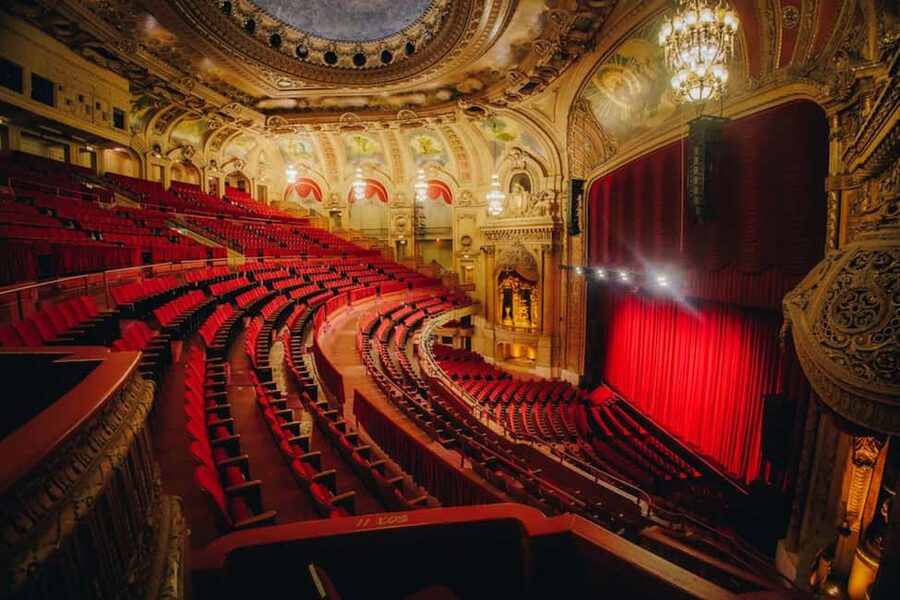
- The 1921 auditorium: Look up at the ornate decoration, painted murals, and grand scale that made this venue a major part of Chicago entertainment.
- The working stage: Stand where famous performers have appeared and see artist signatures connected to Frank Sinatra, Dean Martin, and Dolly Parton.
- The Wurlitzer organ: If conditions allow, your guide may play this impressive instrument, creating one of the tour’s most memorable moments.
- Backstage access can vary: Event schedules may close the stage and dressing rooms, so the exact route is not fixed.
- An English guided visit: The tour lasts about an hour, is wheelchair accessible, and costs $30 per person.
Starting beneath the famous Chicago Theatre sign
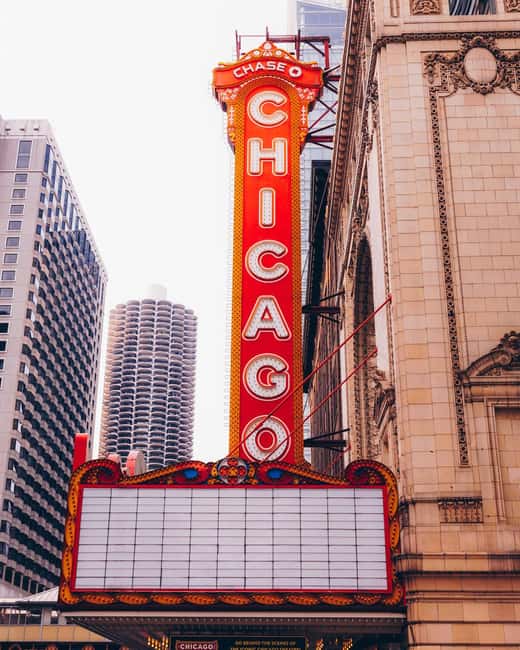
The Chicago Theatre is easy to recognize before you enter it. Its six-story C-H-I-C-A-G-O sign and marquee make a strong first impression, especially if you are walking through the city center and want a quick sense of Chicago’s entertainment past.
I like beginning here because the exterior tells you what kind of place this is. It is not a plain modern hall built only for function. The sign announces the theatre with old-fashioned confidence, while the marquee helps you picture the crowds, performers, and changing shows that have passed through its doors.
Your ticket gives you a guided tour rather than independent access. That matters because much of the value comes from knowing what you are looking at. Painted details, circulation areas, the stage, and working parts of the building can be easy to overlook if you simply attend a concert and take your seat.
The tour is led in English. Guides have included Colin, Jackie, John, and Kiara, with the exact guide depending on the day. The strongest tours appear to combine theatre knowledge with humor and personal experience from working in the building. John and Kiara, for example, have worked as ushers at the Chicago Theatre, which gives them a useful view of how the venue operates today.
What else people book in Chicago on the same trip:
- Chicago Architecture River Cruise
★ 5.0 · 15,756 reviews - Chicago River 90-Minute Architecture Tour
★ 4.5 · 9,629 reviews - Chicago River: 1.5-Hour Guided Architecture Cruise
★ 4.8 · 8,046 reviews
The grand lobby and painted details
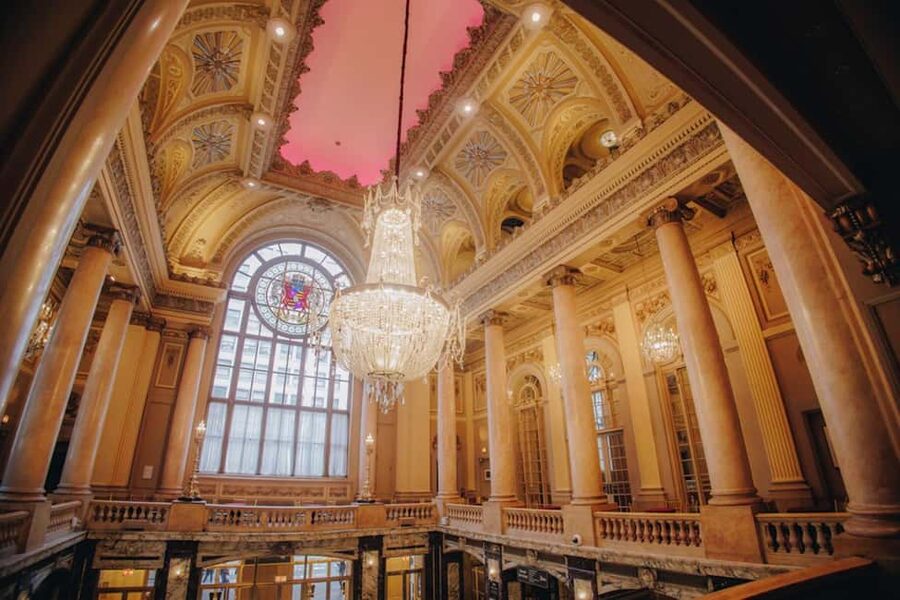
Inside, the lobby provides the first real look at the theatre’s decorative style. You can expect ornate surfaces, painted murals, and carefully preserved architectural features rather than the spare design found in many newer performance spaces.
I would take a moment here before following the group onward. The building is large and decorative, and the guide’s explanation helps turn attractive decoration into a story about how the theatre was designed and used.
The tour follows the building from its beginnings in 1921 to its current role as an entertainment venue. That time span gives the visit a useful shape. You are not only looking at an old interior. You are learning how a theatre built for an earlier era remains part of Chicago’s present-day cultural life.
Several guides have been praised for allowing extra time in different parts of the building. That can make the visit feel less hurried than the advertised one-hour format suggests. Still, do not plan a tight appointment immediately afterward. Some tours take up to 75 minutes, and one reported visit lasted close to 90 minutes.
Looking into the auditorium from a new angle
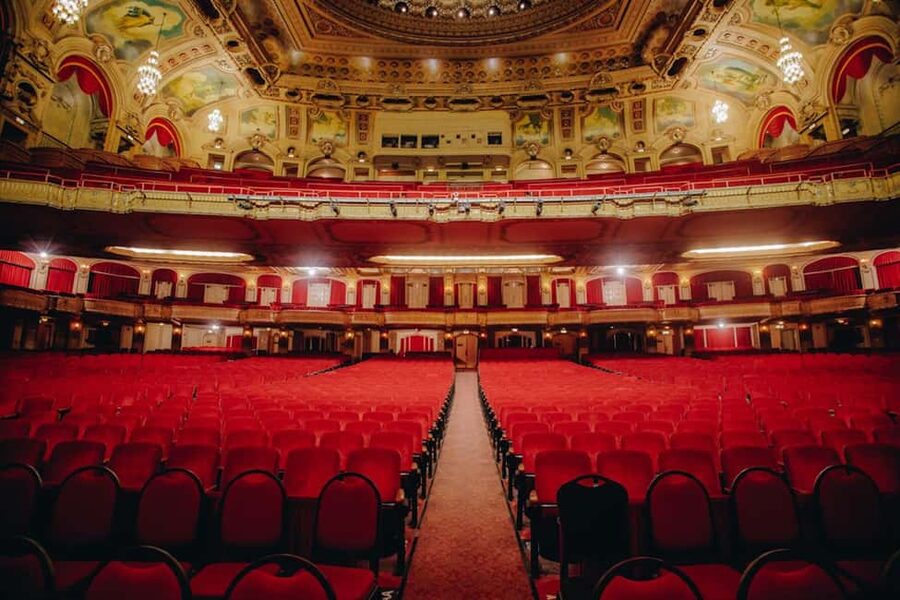
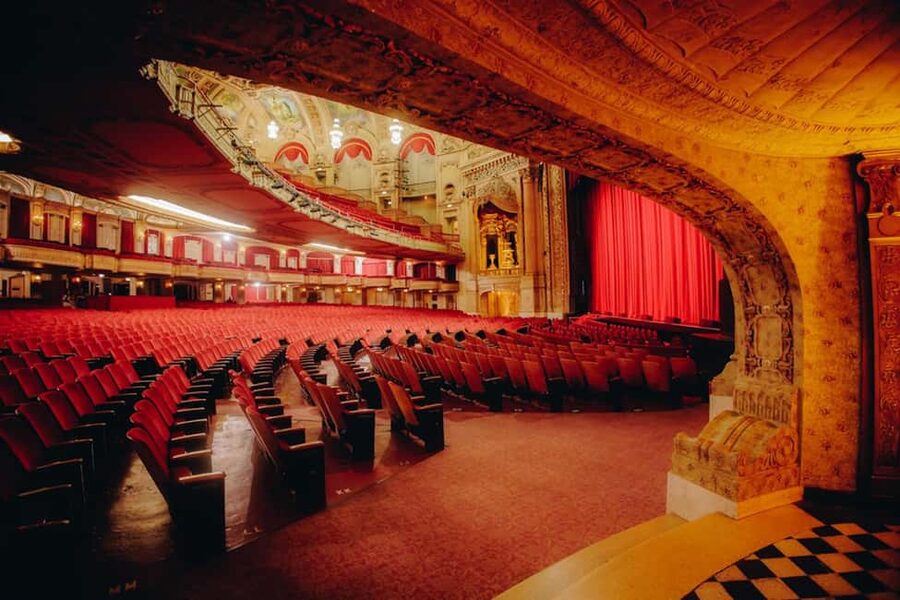
The auditorium is the visual center of the tour. From inside, you can appreciate the scale that is easy to miss when you are seated in one small section during a performance.
You get time to look at the seating areas in ways that are not normally possible during a show. That is a real benefit. At a concert, your attention belongs to the performer. On this tour, you can consider the room itself, its sightlines, decoration, and relationship to the stage.
I especially like this part for visitors who have already attended an event at the Chicago Theatre. You may recognize the room, but the tour lets you see it with more freedom and context. You can consider how the audience experiences the space and how different it must feel from the performer’s side.
The scale also explains one of the highlights: you can see and feel what it might be like to perform for a very large audience. The tour does not turn you into a concert headliner, but standing on the stage offers a useful change in perspective. From the seats, a performer may look close. From the stage, the room suddenly feels much larger.
Standing on the stage where artists left their mark
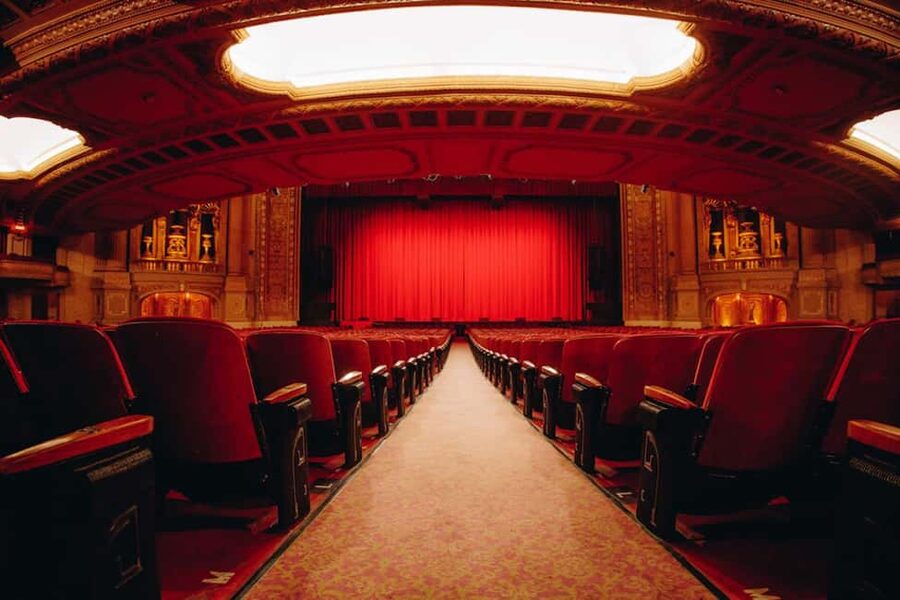
Stage access is one of the strongest reasons to choose this tour. You may stand on the Chicago Theatre stage and see signatures connected with major names, including Frank Sinatra, Dean Martin, and Dolly Parton.
These signatures add a human touch to the building. Instead of hearing only dates and architectural terms, you get a direct reminder that working performers passed through this space. I find that kind of detail more useful than a long list of famous events because it helps you picture the theatre as a workplace as well as a grand public room.
The stage also gives the guide a chance to explain what it means to work in a building of this size. The best guides add practical insight about ushering, performances, and the behind-the-scenes life of the theatre. Colin, in particular, has been noted for discussing how the venue functions, not just reciting facts about its past.
There is an important limitation here. On event days, the theatre may not permit stage or dressing-room access. The tour route can change based on what is happening in the building, so stage access should be treated as a likely highlight, not an absolute guarantee.
A different way to spend an afternoon in Chicago:
- Chicago: Gangsters and Ghosts Walking Tour
★ 5.0 · 7,155 reviews - Chicago Architecture Center River Cruise aboard First Lady
★ 5.0 · 5,536 reviews - Chicago: Willis Tower Skydeck and The Ledge Ticket
★ 4.6 · 4,350 reviews - Chicago: Architecture River Cruise Skip-the-Ticket Line
★ 4.8 · 4,325 reviews
Hearing the Wurlitzer organ
The Wurlitzer organ is a special part of the visit because it brings sound into an otherwise visual tour. If your guide plays it, you hear an instrument tied to the era when silent films and grand theatres relied on live music to accompany the action.
One particularly effective moment is the connection between the organ and earlier theatre audiences. You can imagine people sitting in the auditorium, watching a silent film while the organ supplied mood, rhythm, and drama.
The organ also shows why a good guide matters. A guide who can explain the instrument and play it gives you more than a quick look at an old feature. Colin has been noted for giving the organ a turn, with the powerful sound becoming a highlight of the visit.
The organ demonstration is not listed as a guaranteed part of every tour, so keep your expectations flexible. Building schedules and tour content can change. Even when you do not hear it played, its presence adds another layer to the theatre’s story.
Backstage areas and the Rockettes connection
The Chicago Theatre tour can include less public parts of the building. You might see hidden areas and backstage spaces that are normally closed when you attend a show. This is where the visit becomes more than an architecture walk.
I like backstage access because it helps explain the practical side of live entertainment. The lobby and auditorium are designed for the audience. Backstage areas show the working side, where performers and staff prepare for the event.
The experience also includes the chance to meet one of the famous precision dancers from the Rockettes. That is a distinctive touch, especially for visitors interested in stage performance rather than architecture alone. It gives the tour a direct connection to professional dancers and the demands of performing in large venues.
Again, event conditions matter. Dressing-room and stage access may be unavailable when the theatre is preparing for or hosting an event. If those areas are important to you, check the schedule and accept that the route may be adjusted.
Why the one-hour format works, and where it does not
At $30 per person, this is not the cheapest way to spend an hour in Chicago. Its value depends on whether you want more than a photo of the exterior or a seat at a show.
For the price, you receive a guided look at an important theatre, access to parts of the building you cannot normally explore during an event, and a clear introduction to its architecture and past. The possible organ performance and stage visit add something you cannot get from simply standing outside.
The format works well for a morning or afternoon gap in your sightseeing. One hour is short enough to fit around other plans, but the tour can stretch beyond that. I would allow 75 minutes, and preferably a little more, so you are not rushing away if the guide has extra access or the group takes time with questions.
The tour also offers good value if you already plan to attend a performance at the Chicago Theatre. You will notice the building differently after learning about its design and backstage life. If you have no interest in theatres, performers, or historic interiors, $30 may feel less convincing.
Practical details before you arrive
The tour is wheelchair accessible, and you should wear comfortable shoes. The building is large, and the route may involve standing and walking through several areas, so practical footwear is a better choice than dressing only for a downtown evening out.
The experience lasts approximately one hour, but some visits run to 75 minutes or longer. Check the available start times when booking, then leave space before your next reservation.
Pay close attention to the ticket instructions. You must present your Ticketmaster ticket through the app or website. A GetYourGuide confirmation or voucher is not the actual admission ticket. If you have trouble downloading the Ticketmaster ticket, you can redeem it at the box office with your identification and confirmation.
The activity is non-refundable. That makes it especially important to check the date, time, and ticket access before committing. The tour is offered in English, and no other language is listed.
Who will get the most from this theatre visit
I would recommend this tour to anyone who enjoys historic performance spaces, theatre architecture, or the practical side of live shows. It is also a good choice if you have already seen an event at the Chicago Theatre and want to understand the building beyond your seat.
Families with older children may find the stage and organ more engaging than a standard architectural talk. The Rockettes connection may appeal to anyone interested in dance and stage work.
Music fans should pay attention to the artist signatures and the building’s performance role. Comedy fans and concertgoers will also recognize the appeal of walking through a venue associated with major entertainment names.
I would be more cautious if you have a strict schedule, dislike guided visits, or mainly want backstage access guaranteed. The tour route changes with building events, and the visit is led in English. You should also be comfortable with the possibility that the advertised one hour may become 75 to 90 minutes.
Is the Chicago Theatre Tour worth $30?
For me, the price is reasonable when you value access and explanation, not just decoration. The theatre itself is beautiful, but the guide makes the visit useful by explaining how the building developed, showing working areas, and putting the stage and organ into context.
The strongest elements are the grand auditorium, the chance to stand on stage, the artist signatures, and the possibility of hearing the Wurlitzer. Guides such as Colin, Jackie, John, and Kiara have brought humor and practical theatre experience to the route, which can make the hour feel personal rather than scripted.
Book it if you want to see the Chicago Theatre as a working performance venue and historic building. Skip it if you need a guaranteed backstage route on an event day or if you are looking for a quick, self-guided photo stop. For most visitors who enjoy Chicago’s music and theatre culture, this is a well-focused way to spend part of an afternoon.
FAQ
How long does the Chicago Theatre Tour last?
The tour lasts approximately one hour. Some tours can take up to 75 minutes, and individual visits may run longer.
What is the price of the tour?
The price is $30 per person.
What language is the tour offered in?
The tour is conducted in English with a live tour guide.
Is the Chicago Theatre Tour wheelchair accessible?
Yes, the activity is wheelchair accessible.
Can I access the stage during the tour?
Stage access is included as a tour highlight, but there is no stage access on event days. Tour content can change based on activity in the building.
Can I see the dressing rooms?
Dressing-room access may be available, but it is not offered on event days. The exact route can change.
What should I bring?
Bring comfortable shoes. You must also present your Ticketmaster ticket through the app or website.
Is a GetYourGuide confirmation the admission ticket?
No. Your GetYourGuide confirmation or voucher is not the ticket. You need to present the Ticketmaster ticket. If you cannot download it, you can redeem the tickets at the box office with your identification and confirmation.
Is the tour refundable?
No. The activity is non-refundable.
Just added in Chicago
- Chicago: Architecture and Engineering Marvels Walking Tour★ 5.0 · 3 reviews
- Private Downtown Chicago TV and Movie Sites Guided Walking Tour★ 4.5 · 3 reviews
- Black Heritage Tour★ 5.0 · 3 reviews
- Private SUV Transfer from Chicago Downtown to Midway airport★ 5.0 · 3 reviews
- Private Holiday City Tour★ 5.0 · 3 reviews
- BYOB Chicago River Guided History Tour★ 5.0 · 4 reviews
- Chicago 4-Hour Sightseeing Transfer by Luxury SUV★ 4.5 · 3 reviews
- Chicago, Cloud Gate, Grant Park Full-Day City Tour★ 4.0 · 4 reviews
Tours, compared.



Chicago River 45-Minute Architecture Tour from Magnificent Mile
Read our review →

Big Bus Chicago: Hop-On Hop-Off Sightseeing Tour, 24/48/72hr Pass
Read our review →
Chicago Favorites Ultimate Food and Walking Tour
Read our review →