
Reviewed · HISTORICAL TOURS
Black Heritage Tour
Chicago’s Black Heritage Tour follows the route of the Great Migration, when Black families moved from the South to Chicago by train and helped build Bronzeville, once the most populated Black neighborhood in America. The tour also brings the story close to home through guide Steve’s personal connections, including his work with Operation PUSH and meetings with Jesse Jackson.
I like the small-group feel, since 90 percent of departures seat 11 people or fewer even though a larger bus is available. I also like the focus on explanation rather than quick photo stops, especially the story of modern gospel music at Pilgrim Baptist Church. The main consideration is the four-hour length and the age rule: this tour is not suitable for children under 18.
In This Review
- Key points to know before booking
- Why Chicago’s Great Migration story matters
- Starting at 60611 and heading into the city’s Black neighborhoods
- The train stations and the first steps into Chicago
- Bronzeville, Chicago’s historic Black center
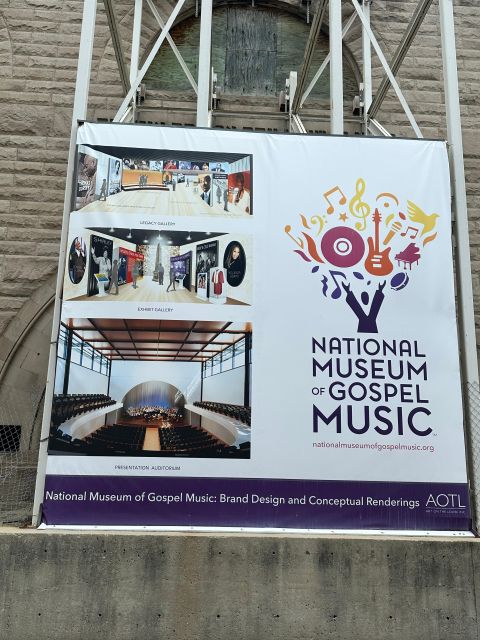
- Pilgrim Baptist Church and the birth of modern gospel
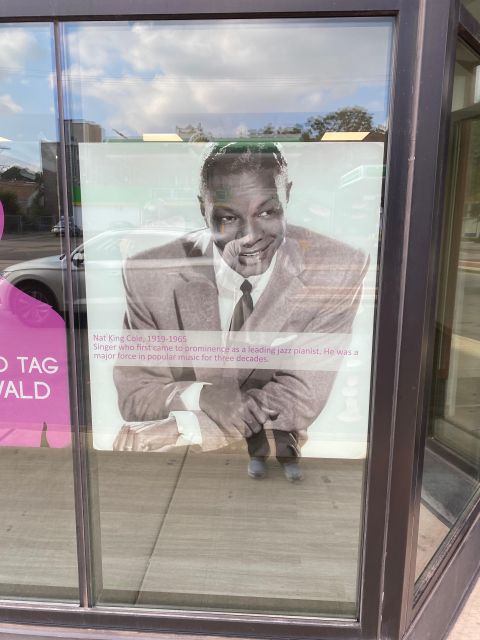
- Famous Chicago homes, from Nat King Cole to Barack Obama
- A guide-led experience with room for questions
- What the $125 price includes
- Timing, pickup, and practical planning
- Who will appreciate this tour most
- Should you book Chicago’s Black Heritage Tour?
- FAQ
- How long is the Black Heritage Tour?
- Where does the tour meet?
- Is hotel pickup available?
- What areas does the tour visit?
- Which famous people are connected to the tour?
- Are children allowed?
- Can I cancel or pay later?
Key points to know before booking
- Follow the Great Migration route: See the Chicago train arrival points and streets linked to Black migration from the South.
- Explore Bronzeville: Learn why this neighborhood became a major center of Black life, business, culture, and music.
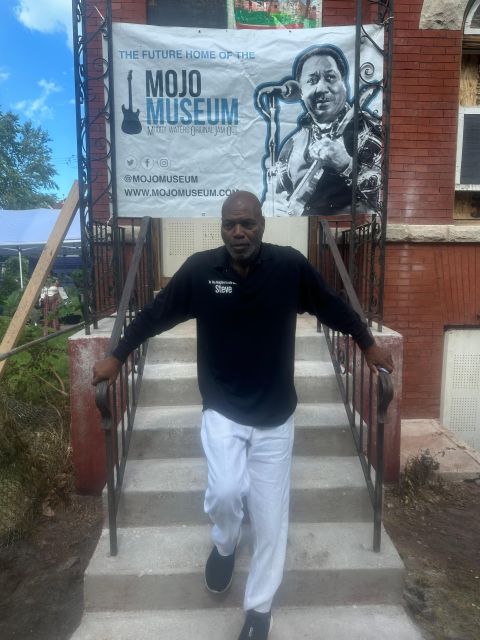
- Hear personal stories from Steve: The guide connects the route to Operation PUSH, Jesse Jackson, Black Muslim leaders, and Barack Obama.
- Visit gospel music ground zero: Pilgrim Baptist Church is included in the discussion of Thomas Dorsey and Mahalia Jackson.
- Expect a mostly small group: Most tours seat 11 people or fewer, with room for questions and photos.
- Plan group bookings early: Groups of 12 or more need at least seven days’ notice.
Why Chicago’s Great Migration story matters
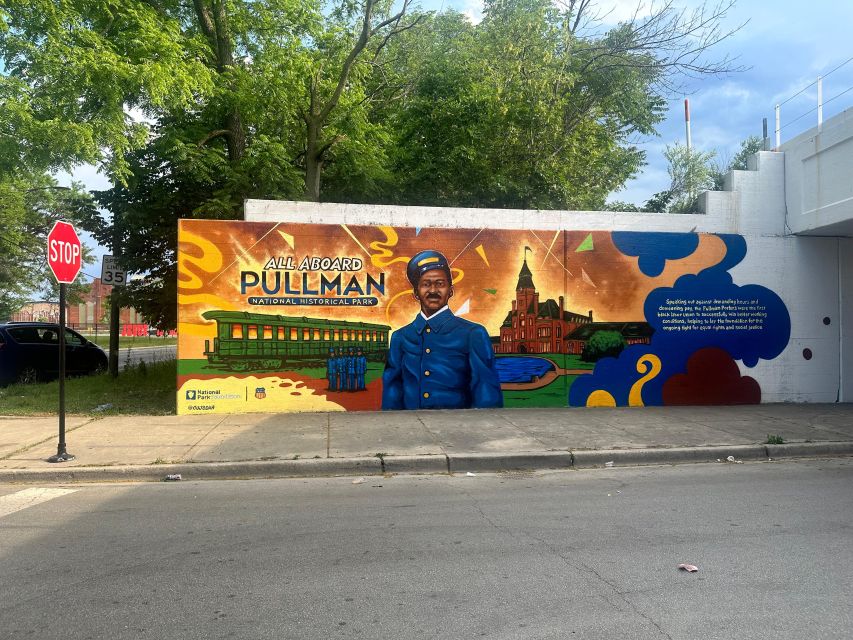
I find this tour most useful if you want to understand Chicago through movement, not just monuments. The Great Migration was not a single event or a single neighborhood story. It was a path taken by thousands of Black Americans leaving the South for northern cities, including Chicago.
The tour traces the route from the train stations where new arrivals entered the city. From there, it follows the streets and neighborhoods that shaped Black Chicago. You are not simply looking at buildings. You are hearing why people came, where they settled, and how those communities developed.
That approach gives the city a different shape. Downtown Chicago may be your starting point, but the focus quickly shifts to the streets where Black families built businesses, churches, music careers, political movements, and middle-class communities.
The tour describes Bronzeville as the largest and most populated Black area in America during the early and mid-1900s. That claim gives you a sense of the neighborhood’s scale and importance at its height. I appreciate that the route places Bronzeville within the larger migration story instead of treating it as an isolated historic district.
More history walks in Chicago:
- Chicago in a Day: Food, History & Architecture Walking Tour
★ 5.0 · 1,153 reviews - Chicago: Field Museum of Natural History Ticket or VIP Tour
★ 4.7 · 717 reviews - Field Museum of Natural History Admission Tickets
★ 4.5 · 489 reviews
Starting at 60611 and heading into the city’s Black neighborhoods
Pickup begins in the 60611 area, with the main meeting point in front of the Chicago Theatre at 175 North State Street. Free pickup is also available from a downtown Chicago hotel. If you are staying in a surrounding suburb, pickup can be arranged for a standard rideshare fare.
The exact order of the four-hour route can vary, and custom deviations are optional. That flexibility is useful if you want to adjust the outing around a particular interest, although you should confirm what can be added when booking.
I would allow a full half-day for this experience. The tour returns to the 60611 area, so you can plan another downtown activity afterward. Still, do not treat it as a quick neighborhood shuttle. The value comes from the time spent connecting places to people and events.
The train stations and the first steps into Chicago
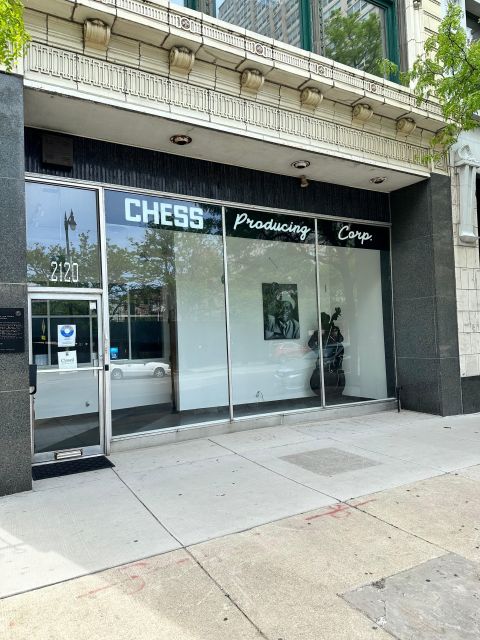
The early part of the route looks at the train stations used by Black migrants arriving from the South. These stations were more than transport points. They marked the moment when families entered a new city and began looking for work, housing, churches, relatives, and community support.
The tour follows the streets that migrants would have taken toward Chicago’s Black neighborhoods. That detail makes the route easier to picture. Rather than hearing only dates and names, you get a sense of direction: arrival, movement through the city, and settlement.
The supplied information does not promise an interior visit to the stations, so expect an exterior and street-based experience here. The strength is the guide’s explanation of how the route fits together. If you prefer a museum with labeled displays, this may feel less formal. If you want a moving city lesson, the driving route gives the story a useful physical setting.
Bronzeville, Chicago’s historic Black center
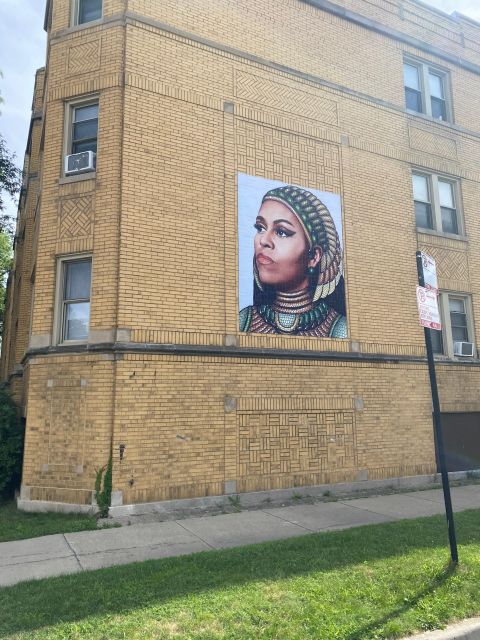
Bronzeville is the heart of the tour. During the early and mid-1900s, it was described as the largest, most populated Black area in America. The tour uses the neighborhood to explain how Chicago became a center of Black culture and a major home for a Black middle class.
I like this part because it brings several themes into one place. Migration, housing, churches, music, business, and public leadership all connect here. You will also hear how people who arrived from the South helped shape modern Chicago.
The tour does not simply list famous residents. It explains why certain neighborhoods mattered and how Black Chicago developed beyond the downtown core. That context is especially valuable if you have already seen the city’s major attractions and want to understand the communities that shaped its cultural life.
The exact stops and time spent at each place may vary. You should expect chances to take photos and ask questions, but this is not presented as a long walking tour through every block. Most of the experience is by vehicle, with commentary along the way.
A different way to spend an afternoon in Chicago:
- Chicago Architecture River Cruise
★ 5.0 · 15,756 reviews - Chicago River 90-Minute Architecture Tour
★ 4.5 · 9,629 reviews - Chicago River: 1.5-Hour Guided Architecture Cruise
★ 4.8 · 8,046 reviews - Chicago: Gangsters and Ghosts Walking Tour
★ 5.0 · 7,155 reviews
Pilgrim Baptist Church and the birth of modern gospel
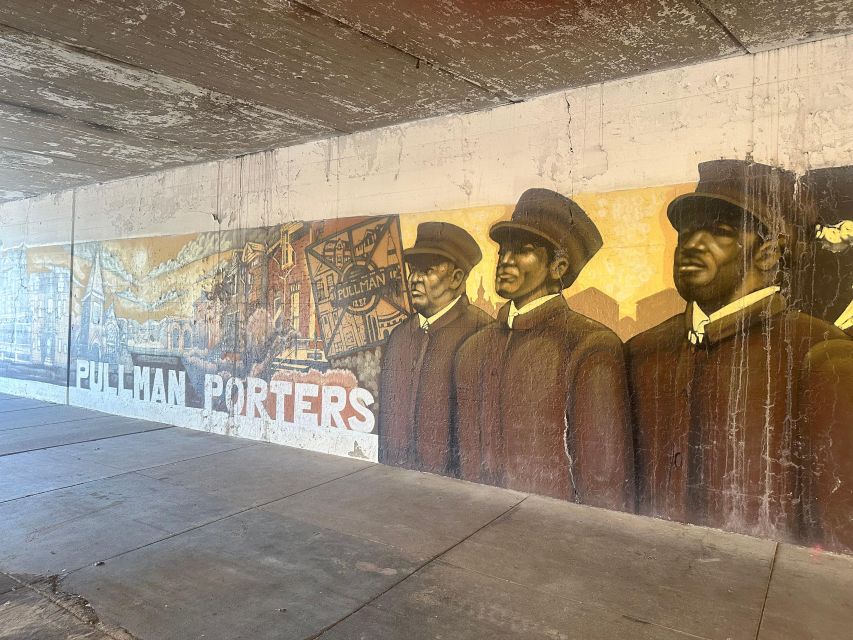
Pilgrim Baptist Church is one of the clearest cultural stops on the route. The tour presents it as the birthplace of modern gospel music and discusses Thomas Dorsey, Mahalia Jackson, and other important figures.
This section adds sound and feeling to the migration story. People did not only move north for jobs and housing. They brought musical traditions with them, developed new forms, and helped create the gospel sound associated with modern Black religious music.
I would pay close attention here, even if you are not a church or music-history specialist. The stop shows how a building can matter because of what happened inside it and because of the people who carried its influence far beyond the neighborhood.
The information provided does not say that you enter the church. Plan for the site and the surrounding story rather than a guaranteed interior visit. That is a minor limitation, but the explanation may be the most important part of the stop.
Famous Chicago homes, from Nat King Cole to Barack Obama
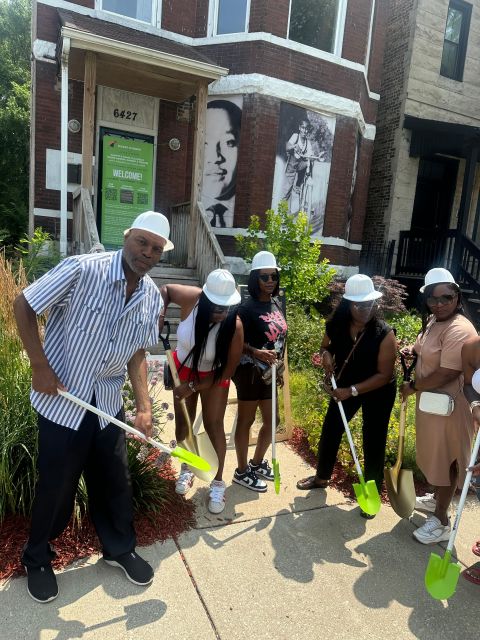
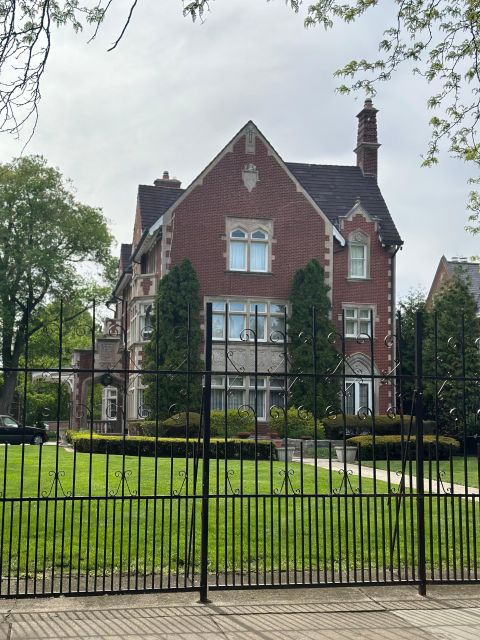
The route passes homes linked to Black figures who lived in Chicago. Names include Nat King Cole, Louis Armstrong, Muddy Waters, Jennifer Hudson, and the 44th President of the United States.
These homes help show the range of Black life in Chicago. Musicians, performers, political leaders, and community organizers all connect to the city, but their stories are not identical. The tour uses their residences as entry points into those different chapters.
You should keep your expectations realistic. Passing a home usually means seeing it from the vehicle and hearing about its former resident, not entering a private property. The interest is in the connection between an ordinary city street and a well-known life.
The tour also includes the home of Elijah Muhammad, founder of the Nation of Islam. This adds an important religious and political thread to the route. Chicago’s Black story includes gospel churches, migration networks, civil rights work, music, entertainment, and Black Muslim leadership. The tour attempts to place those strands side by side.
One especially unusual story involves Barack Obama giving his mother’s car a jump start. The tour presents this as a true, first-hand story connected to Chicago. It also links Obama’s family to the Great Migration, explaining that his family stepped off the train into Chicago as part of that movement.
Because this tour is built around personal accounts, you may find the guide’s voice as important as the sites themselves. Steve is described as someone who lived close to these events and communities. He was part of Operation PUSH, attended meetings with Jesse Jackson, and lived across the street from leaders of the Black Muslim movement. Those experiences shape the commentary.
A guide-led experience with room for questions
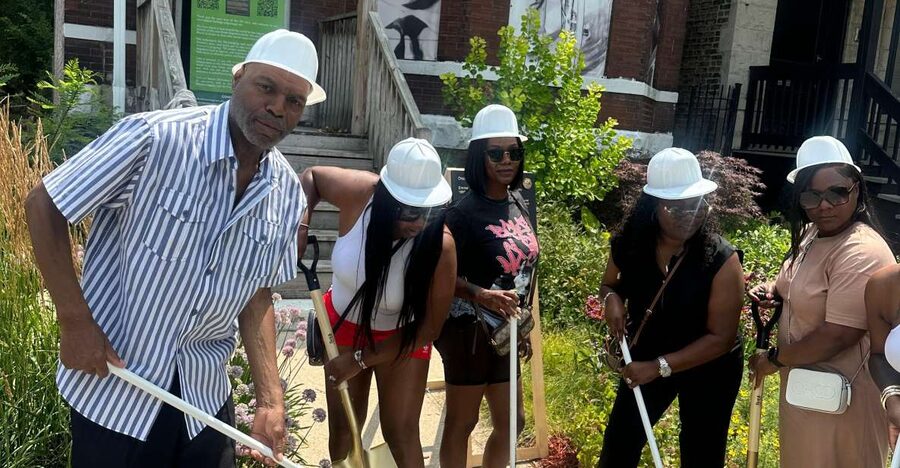
The tour provider is Chicago Personal Neighborhood Tour, and the guide named in the available feedback is Steve. His role is not limited to pointing out locations. He gives reasons, background, and analysis, then leaves space for questions.
That matters on a subject where a short label can hide a complicated story. A house linked to a musician, a church linked to gospel, or a train station linked to migration becomes more useful when you understand how each fits into the city’s development.
The group format should help. Although the experience is described as a big bus tour, 90 percent of tours seat 11 people or fewer. A small vehicle usually makes it easier to hear the guide, ask follow-up questions, and stop for photographs without feeling lost in a crowd.
I would still confirm the vehicle size at booking if it matters to you. The tour can accommodate larger groups, but 12 or more people require at least seven days’ notice. That is important for family reunions, school groups, church groups, or organized cultural trips.
The available feedback praises Steve for being flexible and answering questions. That is a useful sign for this particular tour because the subject invites questions about family history, neighborhoods, public figures, religion, and civil rights.
What the $125 price includes
The cost is $125 per person for four hours. That is not a low-cost sightseeing ride, so the value depends on what you want from a Chicago tour.
If you only want a quick list of famous addresses, the price may feel high. If you want a guide-led route with historical interpretation, personal stories, transportation, photo opportunities, and downtown pickup, the cost is easier to justify.
You are paying for more than a ride through Bronzeville. The tour connects train stations, neighborhood streets, Pilgrim Baptist Church, famous homes, gospel music, the Nation of Islam, Operation PUSH, and the Great Migration. Recreating that route on your own would require research, transportation, and a clear sense of where each place fits.
The small-group pattern improves the value. With 11 people or fewer, you have a better chance to engage directly with Steve. That personal exchange is central to the experience, especially since custom deviations may be possible.
I would book this as a focused cultural tour, not as a general introduction to all of Chicago. It does not promise the city’s major architecture sights, museums, or lakefront attractions. Its value is the depth of one subject.
Timing, pickup, and practical planning
The experience lasts four hours, but starting times depend on availability. I would book early if you need a particular morning or afternoon slot, especially if your schedule includes theater tickets, a restaurant reservation, or a concert.
Pickup is available at the Chicago Theatre, 175 North State Street. Free hotel pickup applies to downtown Chicago hotels. Surrounding suburban pickup costs a standard rideshare fare, so factor that into the total price if you are staying outside the central area.
The tour begins and ends around the 60611 area. That makes it convenient for a downtown stay and allows you to continue sightseeing after the drop-off.
You can cancel up to 24 hours before departure for a full refund. The reserve-now, pay-later option also lets you hold a place without paying at the time of booking. These terms help if your Chicago schedule is still changing.
The tour is for ages 18 and older. Families with younger children will need to choose another activity. Adults who want a serious history and culture outing should find the age rule straightforward.
Who will appreciate this tour most
I would recommend this experience to you if you want Chicago history presented through Black communities, personal stories, and real streets. It should suit visitors interested in the Great Migration, gospel music, civil rights, Black political movements, or famous Chicago musicians.
It also makes sense for people who have already seen the usual downtown sights. The route takes you away from the standard tourist checklist and explains parts of the city that many visitors miss.
The tour may be less suitable if you want a self-guided walk, a museum-style presentation, or a fast overview with many unrelated attractions. You also need to be comfortable spending four hours in a vehicle and viewing some locations from outside.
Photography is encouraged through multiple opportunities along the route. Bring questions. The tour’s format appears designed for conversation, and Steve’s flexibility is one of its strongest practical advantages.
Should you book Chicago’s Black Heritage Tour?
Book it if you want a focused, personal look at how Black migration helped shape Chicago. The strongest reasons are the Bronzeville route, Pilgrim Baptist Church, the links to major Black musicians and leaders, and Steve’s first-hand connection to Operation PUSH and Chicago’s Black Muslim community.
The $125 price is reasonable for a four-hour private-style neighborhood experience with transportation and downtown pickup, especially when most departures are small. It is less compelling if you only want famous landmarks or if you need an activity for children under 18.
For the best fit, reserve a time that leaves you unhurried, confirm pickup details, and tell the provider about any custom deviation you want. If Chicago’s Great Migration story is your priority, this tour offers a direct and personal way to follow it.
FAQ
How long is the Black Heritage Tour?
The tour lasts four hours. Starting times depend on availability.
Where does the tour meet?
The main pickup point is in front of the Chicago Theatre at 175 North State Street. The listed pickup area is 60611.
Is hotel pickup available?
Free pickup is available from a downtown Chicago hotel. Pickup from a surrounding suburb is available for a standard rideshare fare.
What areas does the tour visit?
The tour follows the Great Migration route into Chicago and visits Bronzeville, train stations connected with Black migration, Pilgrim Baptist Church, and other areas linked to Black Chicago.
Which famous people are connected to the tour?
The route passes homes associated with Nat King Cole, Louis Armstrong, Muddy Waters, Jennifer Hudson, the 44th President of the United States, and Elijah Muhammad. The tour also discusses Barack Obama and his family’s connection to the Great Migration.
Are children allowed?
The experience is not suitable for children under 18.
Can I cancel or pay later?
You can cancel up to 24 hours in advance for a full refund. You can also reserve now and pay later.
Just added in Chicago
- Chicago: Architecture and Engineering Marvels Walking Tour★ 5.0 · 3 reviews
- Private Downtown Chicago TV and Movie Sites Guided Walking Tour★ 4.5 · 3 reviews
- Private SUV Transfer from Chicago Downtown to Midway airport★ 5.0 · 3 reviews
- Private Holiday City Tour★ 5.0 · 3 reviews
- BYOB Chicago River Guided History Tour★ 5.0 · 4 reviews
- Chicago 4-Hour Sightseeing Transfer by Luxury SUV★ 4.5 · 3 reviews
- Chicago, Cloud Gate, Grant Park Full-Day City Tour★ 4.0 · 4 reviews
- Explore Black History on the Southside of Chicago★ 4.0 · 4 reviews
Historical Tours, compared.
Chicago in a Day: Food, History & Architecture Walking Tour
Read our review →
Field Museum of Natural History Ticket or VIP Tour
Read our review →
Field Museum of Natural History Admission Tickets
Read our review →
Chicago Walking Tour: Historic Treasures of Chicago
Read our review →
Historical and Architectural Chicago Fireboat River & Lake Cruise
Read our review →
Walkin’ with Colin: Chicago History-Mystery-Comedy-Tragedy Tour
Read our review →
Field Museum of Natural History All-Access Pass
Read our review →
Browse the lists this tour appears in