
Reviewed · WALKING TOURS
Walking Tour: Chicago’s Prairie Ave Dist. – Street of the Elite
Chicago’s Prairie District tells Chicago’s story through grand homes, church interiors, music history, and the city’s famous elevated train. This four-hour walk takes you from the Loop to South Prairie Avenue, where wealthy Chicagoans built imposing homes after the Great Chicago Fire and where the city’s blues tradition later found a home.
I like the small-group format, listed at up to eight people in the tour highlights, because it gives you room to hear the guide and ask questions. I also like the mix of private docent-led visits at Second Presbyterian Church and Glessner House, plus the very Chicago finish at the Palmer House with a brownie.
The main consideration is the pace. You will ride the L, walk between several stops, climb stairs, and spend much of the morning on your feet. The $80 price is fair if you value guided access and context, but it is more than a basic neighborhood stroll.
In This Review
- Key points to know before booking
- Why the Prairie District deserves four hours
- Starting inside the Chicago Athletic Association
- Chess Records and the sound of Chicago
- Second Presbyterian Church, with time to look up
- A pause at The Spoke & Bird
- Glessner House and the world of Chicago’s elite
- Clarke House and a quick look at early Chicago
- Returning by train to the Palmer House
- What the $80 price includes
- Who will enjoy this walk most
- Practical details for a smooth morning
- Should you book the Prairie District walk?
- FAQ
- Where does the tour begin?
- Where does the tour end?
- How long does the experience last?
- Is transportation included?
- Is food included?
- How much walking and physical activity is required?
Key points to know before booking
- Chicago history beyond the Loop: Follow the Prairie District from elite 19th-century homes to Motor Row and Chess Records.
- Private access matters: Second Presbyterian Church and Glessner House include docent-led visits rather than quick looks from the sidewalk.
- Tom may be your guide: A guide named Tom received especially warm praise for his Chicago history and clear help with using the L.
- Transit is part of the lesson: Your Green Line tickets are included, and the ride connects the downtown hotel district with Prairie Avenue.
- Plan for stairs and walking: You need moderate fitness and should be comfortable with station stairs where elevators are not available.
- A sweet Chicago ending: The tour returns to the Loop and finishes inside the Palmer House Hilton with a brownie or similar sweet treat.
Why the Prairie District deserves four hours
Most first-time visits to Chicago stay near the lakefront, Millennium Park, the Art Institute, and the downtown river corridor. Those places deserve your time, but they can leave you with a polished version of the city. The Prairie District offers a different view: one tied to industrial wealth, post-Civil War growth, private mansions, religious art, transportation, and Black music history.
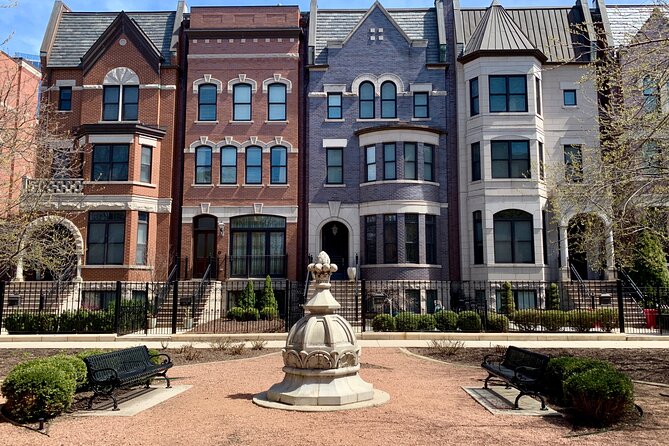
South Prairie Avenue was once associated with Chicago’s wealthiest families. Their homes reflected a period when fortunes from railroads, manufacturing, meatpacking, and finance were reshaping the city. The tour helps you read that past through buildings rather than through a long indoor lecture.
I especially like that the experience does not treat the neighborhood as a single historic theme. You move from a grand hotel to a former music landmark, then to a church, a neighborhood cafe, two historic houses, and another landmark hotel. The contrasts help you see how Chicago changed over time.
The timing also works well for visitors who want a substantial morning activity without giving up the entire day. Start at 10:00 a.m. and expect roughly four hours. You finish in the Loop, close to major downtown sights and hotels.
More walking tours in Chicago:
- Chicago: Gangsters and Ghosts Walking Tour
★ 5.0 · 7,155 reviews - Chicago Favorites Ultimate Food and Walking Tour
★ 5.0 · 1,962 reviews - Chicago: Gangsters and Ghosts Guided Walking Tour
★ 4.7 · 1,697 reviews
Starting inside the Chicago Athletic Association
Meet at the Chicago Athletic Association, 12 South Michigan Avenue. The tour begins with a look around this historic hotel before you head toward Washington and Wabash for the Green Line.
This is a smart starting point. Rather than meeting on an anonymous street corner, you begin inside a building with its own Chicago story. The hotel also gives you a clear indoor meeting place, which is useful in poor weather or when you are still getting your bearings downtown.
The first segment takes about 50 minutes and includes the hotel visit and the walk to the train. Your guide also handles the transit tickets, so you do not need to sort out fares before the group leaves.
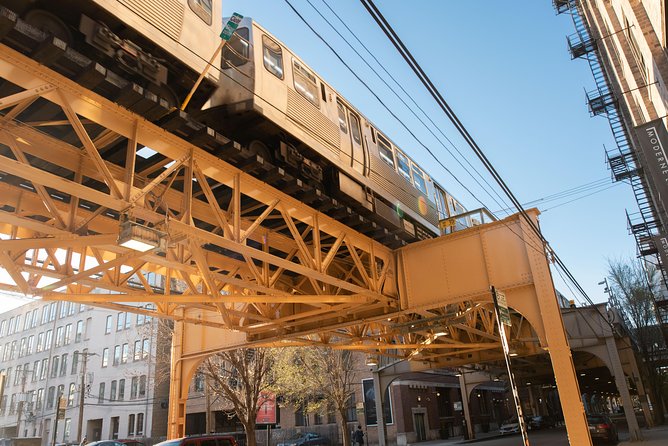
The L ride is not just transportation. It gives you a practical look at how Chicago connects its downtown core with surrounding districts. If you have never used the system, this is a gentle introduction. Tom, one of the guides associated with the tour, was particularly praised for making the train ride part of the learning experience.
You should still prepare for stairs. Not every station has an elevator, and the tour requires enough mobility for station access and neighborhood walking.
Chess Records and the sound of Chicago
After getting off at Cermak, you take a short walk to Chess Records. The building is tied to some of the most influential blues music produced in Chicago.
The stop lasts about 30 minutes. It provides a welcome shift from architecture and wealthy residents to the city’s music culture. Chicago’s story is not only about famous buildings and business leaders. It is also about artists, recording studios, migration, and the sounds that shaped American music.
This portion is best understood as a focused exterior and neighborhood history stop, rather than a long museum visit. The available information identifies the building and its musical importance, but does not promise a full recording-studio tour or a large exhibit. If you want an extended look at the blues scene, you may need a separate music-focused activity.
Still, the inclusion of Chess Records adds real balance. You are not simply admiring old houses. You are seeing how the district and nearby South Side neighborhoods connect to a later chapter in Chicago’s cultural life.
Second Presbyterian Church, with time to look up
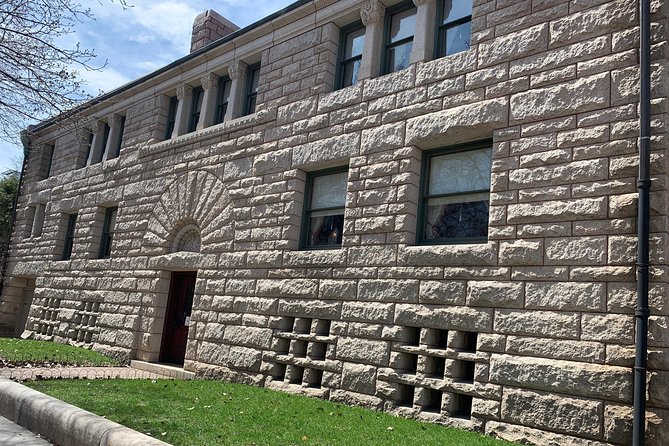
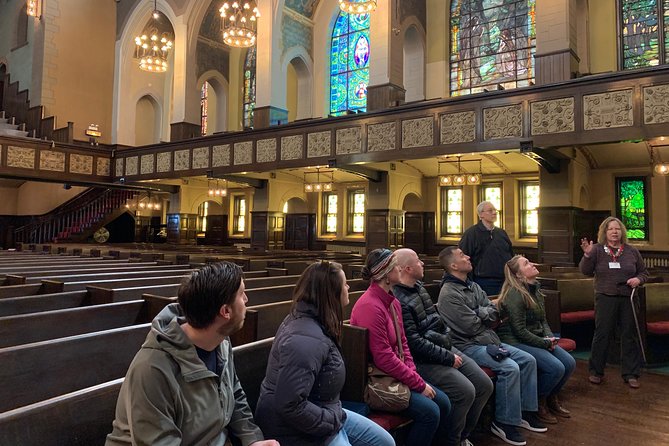
The Second Presbyterian Church receives about 40 minutes and includes a private docent-led mini tour. That extra access is one of the strongest reasons to choose this walk over wandering the area alone.
Churches can be easy to pass without understanding what makes them important. A docent gives you a framework for the building, its design, and the details worth noticing. You have time to look at the interior rather than stopping only for a quick photograph.
The tour materials identify the church as a key Prairie District sight but do not specify every architectural feature you will see on the day. That is useful to remember if you are booking mainly for a particular artist or decorative element. The experience promises guided interpretation, not a guaranteed list of individual artworks.
This visit also breaks up the walking. You get a chance to stand indoors, listen, and absorb the setting before continuing through the neighborhood.
A different way to spend an afternoon in Chicago:
- Chicago Architecture River Cruise
★ 5.0 · 15,756 reviews - Chicago River 90-Minute Architecture Tour
★ 4.5 · 9,629 reviews - Chicago River: 1.5-Hour Guided Architecture Cruise
★ 4.8 · 8,046 reviews - Chicago Architecture Center River Cruise aboard First Lady
★ 5.0 · 5,536 reviews
A pause at The Spoke & Bird
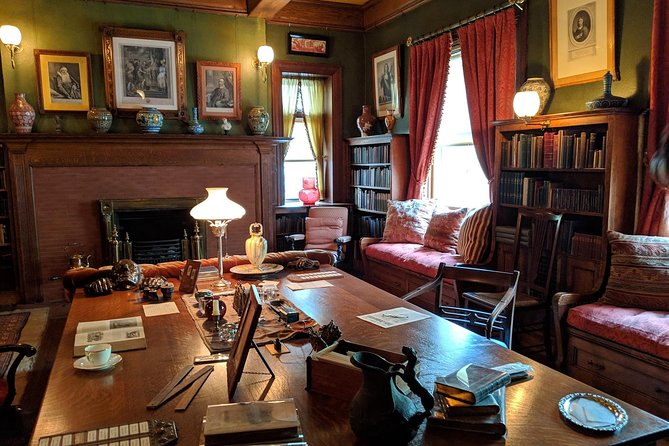
The Spoke & Bird provides a 30-minute break. It is described as an employee-owned and woman-owned cafe, and purchases are optional.
I like this pause because it gives the morning a local rhythm. A four-hour walking tour can feel relentless if every stop is another lecture. Here, you can sit down, get a snack or drink if you wish, and talk with the guide or the other people in your group.
Food and beverages are not included in the $80 price, so budget for your own purchase. The stop is not meant to be a full meal. If you need a substantial lunch, plan that after the tour or eat beforehand.
The cafe also makes the route feel connected to present-day neighborhood life. You are not moving only between preserved buildings. You get a short break in a working local business.
Glessner House and the world of Chicago’s elite
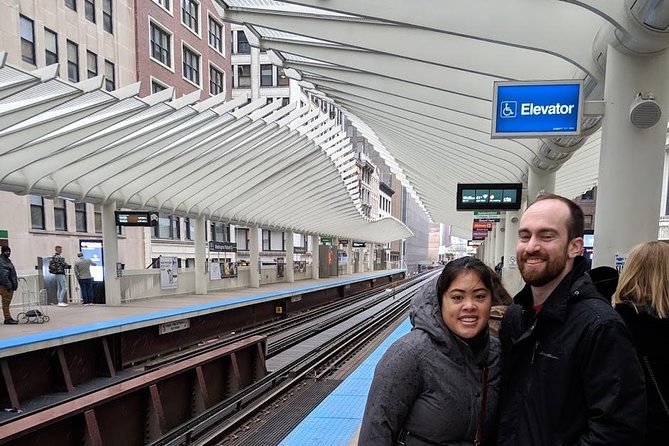
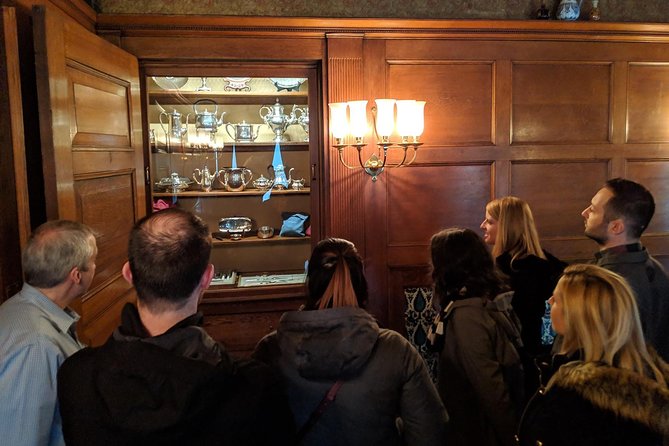
Glessner House is another major stop, with a private docent-led mini tour lasting about 40 minutes. Built for industrialist John J. Glessner, the house helps explain how affluent Chicagoans lived in the late 19th century.
This is where the Prairie District’s reputation becomes tangible. From the street, an old mansion can seem distant and decorative. Inside, rooms, furnishings, and household details show how money affected space, privacy, service, comfort, and social life.
The house is valuable because it gives you a more personal view of the era. You are not only hearing about economic growth in abstract terms. You are seeing the home built for one family and considering the workers and systems needed to maintain that way of life.
The docent-led format should help you notice details you might miss on your own. The time is limited, though. Forty minutes is enough for a strong introduction, not an exhaustive museum visit. If Glessner House is your main reason for coming, you may want to return separately and allow more time.
Clarke House and a quick look at early Chicago
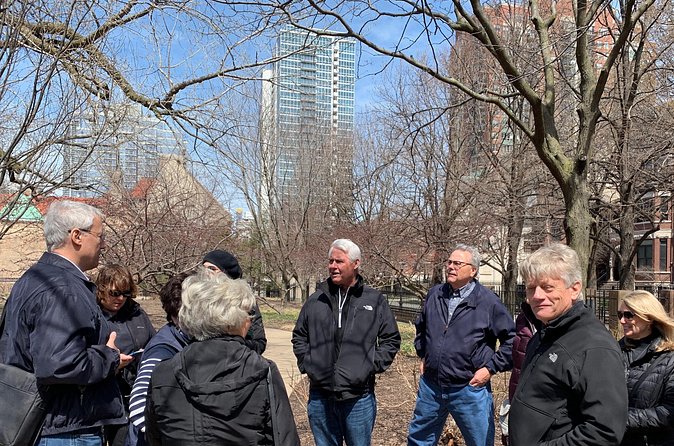
The walk includes about 10 minutes at Clarke House Museum, described as the oldest house in Chicago. The focus here is how elite Chicagoans lived around the turn of the 20th century.
Because the stop is short, think of it as a concise exterior or orientation visit rather than a full museum tour. The supplied details do not promise a private interior visit, so you should not book this experience expecting a long house tour at Clarke House.
Even so, the stop adds another layer to the morning. Glessner House shows one side of upper-class life, while Clarke House helps place that lifestyle within the longer story of Chicago’s early residential development.
The walk through this part of the city is as important as the formal stops. You can compare surviving buildings with newer construction and get a sense of how the Prairie District has changed without losing all of its older character.
Returning by train to the Palmer House
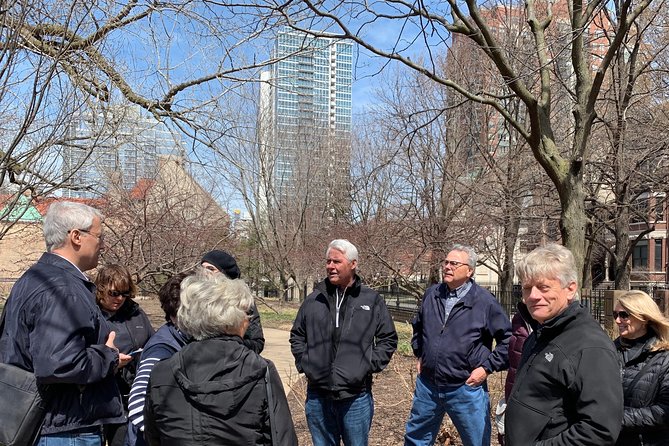
After the Prairie District portion, you ride back to the Loop and end at the Palmer House Hilton, 17 East Monroe Street. The final segment lasts about 40 minutes and includes time in the hotel’s historic lobby.
This ending is well chosen. You began in one grand downtown hotel and finish in another, with the Prairie District between them. The Palmer House gives the tour a final look at Chicago’s grand hotel tradition and brings you back to the center of the city.
The sweet treat is a small detail, but it matters after several hours of walking. The Palmer House brownie is specifically praised as a favorite part of the experience. It gives the tour a pleasant local touch without turning the activity into a food tour.
You finish in a useful location for the rest of your day. From there, you can continue around the Loop, visit a museum, eat lunch, or return to your hotel.
What the $80 price includes
The tour costs $80 per person. That price includes the local expert guide, transit tickets, and the donation or admission fees for Second Presbyterian Church and Glessner House.
The value depends on how you like to sightsee. If you are happy to walk past buildings and read a few signs, you can explore parts of the district at little cost on your own. But independent visits may not provide the same access, context, or route planning.
The private docent-led church and house visits are the main value. So is the guide’s ability to connect the stops into one story. You are paying for four hours of interpretation, transportation, and coordination, not just for entry to a pair of buildings.
Food and drinks are extra. The cafe purchase is optional, and the tour includes a sweet treat at the Palmer House, but no full meal. Keep that in mind when comparing the price with other half-day Chicago activities.
The tour is often booked about 37 days ahead. That suggests you should reserve early if your Chicago dates are fixed, especially since the group is small. The published information gives a maximum of eight participants in the highlights and a maximum of ten in the additional details. Either way, this is much smaller than a standard coach tour.
Who will enjoy this walk most
I would recommend this experience to you if you like architecture, urban history, historic interiors, and local stories that go beyond the usual downtown route. It is also a good fit if you have already seen the main Loop sights and want a more focused morning.
The mix of buildings suits curious visitors. You get elite homes, a church, a music landmark, a cafe, public transit, and grand hotels in one route. That variety keeps the four hours from feeling like a single long house tour.
It may also suit Chicago residents or repeat visitors. One person who had lived in the Chicago area for more than 40 years had long wanted to see the Prairie District with a guide. That says something useful about the neighborhood: it is easy to overlook even when you know the city well.
I would think twice if you dislike walking, cannot manage stairs, or want a relaxed sightseeing pace with lots of free time. The tour requires moderate physical fitness, and the train stations may not have elevators. You should wear comfortable shoes and expect a full morning on your feet.
Practical details for a smooth morning
Bring a mobile ticket and arrive at the Chicago Athletic Association before the 10:00 a.m. start. The tour is near public transportation, but your included transit tickets cover the planned Green Line journey.
Because the route includes indoor visits, street walking, and train travel, dress for changing conditions. The tour details do not promise a particular weather policy, so it is sensible to check the forecast and carry what you need for a morning outside.
The four-hour length means you should eat something before starting if you prefer an early meal. The cafe stop can cover a snack or drink, but purchases are optional and not included.
Free cancellation is available if you cancel at least 24 hours before the start time. Changes or cancellations inside that window are not refunded, and the tour requires a minimum number of participants. If the operator cancels because that minimum is not met, you are offered another date or experience, or a full refund.
Should you book the Prairie District walk?
Book it if you want Chicago history delivered through real places rather than a string of downtown facts. The strongest parts are the small group, the church and Glessner House access, the connection to Chess Records, and the thoughtful route between two historic hotels.
I would choose it early in a Chicago visit if you want a better grasp of how the city grew. I would also choose it late in your trip if you have already covered the classic sights and want a neighborhood with more texture.
Skip it if you are looking for a food tour, a long museum visit, or a low-effort ride. For everyone else, $80 buys a well-planned half-day with a clear theme, useful transit practice, and several stops that are easy to miss on your own.
FAQ
Where does the tour begin?
It begins at the Chicago Athletic Association, 12 South Michigan Avenue, Chicago, at 10:00 a.m.
Where does the tour end?
The tour ends at the Palmer House Hilton, 17 East Monroe Street, Chicago, after the return train ride and historic lobby visit.
How long does the experience last?
It lasts approximately four hours.
Is transportation included?
Yes. Transit tickets for the planned Green Line ride to and from the Prairie District are included.
Is food included?
No. Food and beverages are not included. The cafe stop allows optional purchases, and the tour ends with a sweet treat at the Palmer House.
How much walking and physical activity is required?
You need a moderate level of fitness. The tour includes neighborhood walking and train-station stairs, and not all stations have elevators.
Just added in Chicago
- Private Downtown Chicago TV and Movie Sites Guided Walking Tour★ 4.5 · 3 reviews
- Chicago: Architecture and Engineering Marvels Walking Tour★ 5.0 · 3 reviews
- Black Heritage Tour★ 5.0 · 3 reviews
- Private SUV Transfer from Chicago Downtown to Midway airport★ 5.0 · 3 reviews
- Private Holiday City Tour★ 5.0 · 3 reviews
- BYOB Chicago River Guided History Tour★ 5.0 · 4 reviews
- Chicago 4-Hour Sightseeing Transfer by Luxury SUV★ 4.5 · 3 reviews
- Chicago, Cloud Gate, Grant Park Full-Day City Tour★ 4.0 · 4 reviews
Walking Tours, compared.


Chicago Favorites Ultimate Food and Walking Tour
Read our review →
Chicago in a Day: Food, History & Architecture Walking Tour
Read our review →
Chicago’s Secret Interiors Architectural Walking Tour
Read our review →

Browse the lists this tour appears in